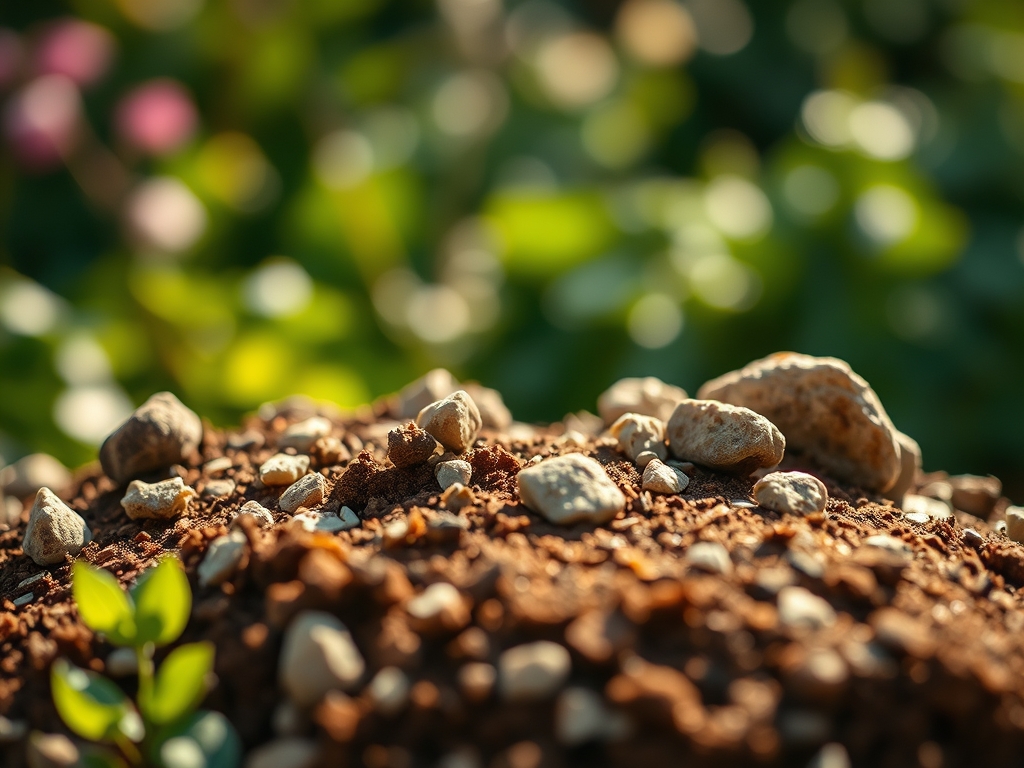
6 Best Rocks for Soil Retention
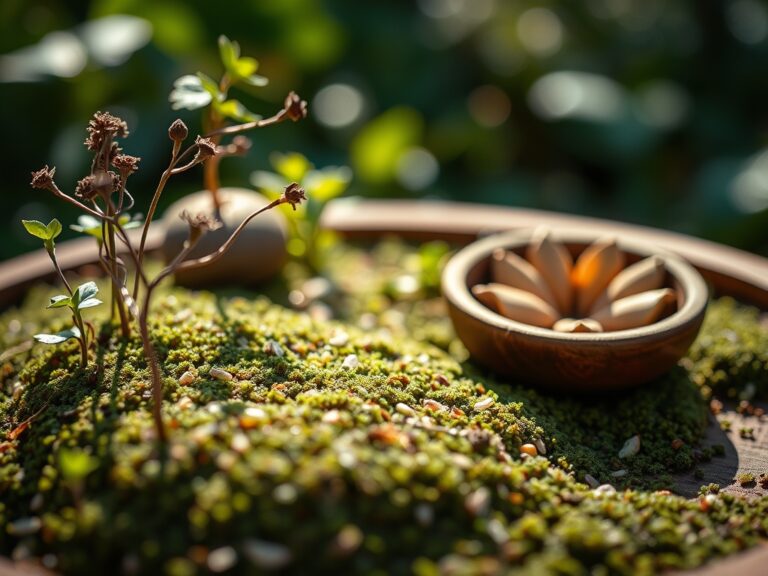
Crushing a handful of damp earth reveals the metallic scent of geosmin; it is the olfactory signature of a healthy rhizosphere. When you squeeze a handful of friable loam, it should hold its shape momentarily before crumbling under light pressure. This structural integrity depends heavily on mineral additives. Selecting the best rocks for soil retention is not merely an aesthetic choice. It is a hydraulic strategy to manage turgor pressure within plant cells. By integrating specific geological materials, you stabilize the soil temperature and prevent the rapid evaporation that leads to cellular wilting. Effective retention requires a balance between macropores for aeration and micropores for water storage. The right mineral mulch or soil amendment acts as a thermal blanket, keeping roots within the optimal 65 to 75 degree Fahrenheit range during peak solar radiation. Without these stabilizers, the delicate fine-root hairs responsible for nutrient uptake succumb to desiccation. Proper rock selection ensures that moisture remains available at the root zone for extended durations, even when atmospheric humidity drops below 30 percent.
Materials:
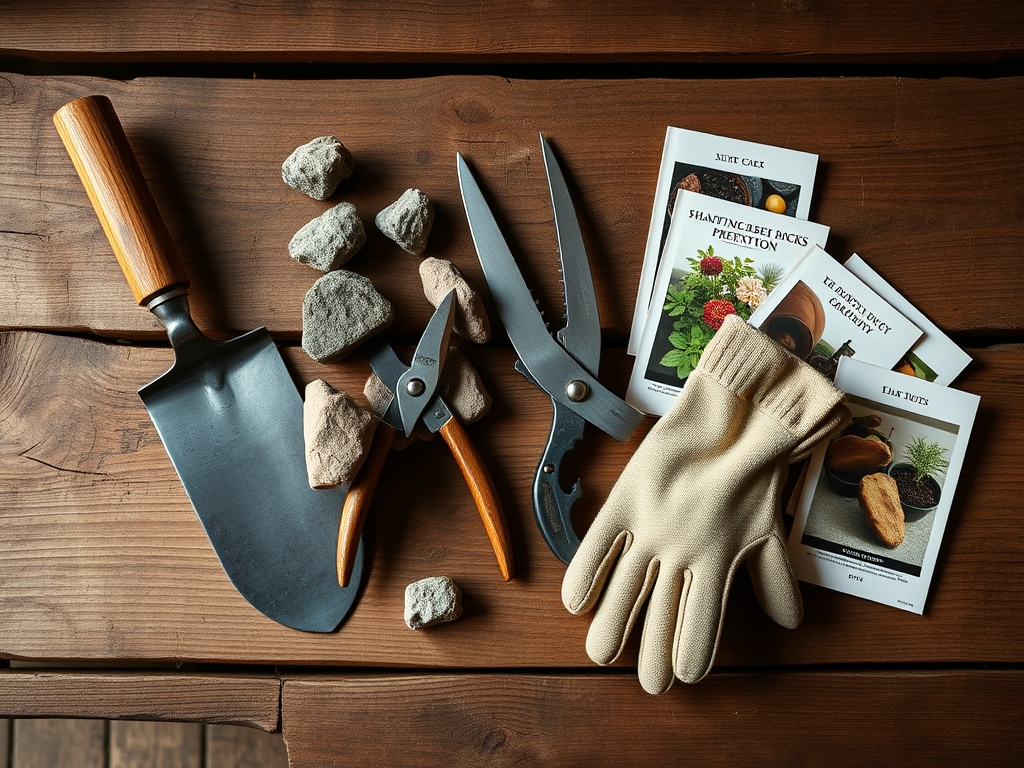
The chemical composition of your retention stones dictates the long term health of the substrate. For acidic environments requiring a **pH of 5.5 to 6.5**, use igneous rocks like granite or basalt. For alkaline-leaning soils, limestone is common but can spike pH levels above **7.8**, which may lock out essential micronutrients.
- Pumice: A volcanic rock with a high Cation Exchange Capacity (CEC). It holds moisture in its porous vesicles without compacting the soil.
- Lava Rock (Scoria): High in iron and magnesium. Its jagged surface area increases the oxygen availability in the rhizosphere.
- River Pebbles: Best for surface mulching. They provide high thermal mass to regulate soil temperature.
- Decomposed Granite (DG): Excellent for drainage and mineral trace elements. It packs tightly but remains permeable.
- Perlite: A processed volcanic glass. It is chemically inert with a neutral pH of 7.0. It is essential for preventing anaerobic conditions.
- Vermiculite: A hydrous phyllosilicate mineral. It expands when heated and can hold up to three times its weight in water.
Ideal substrate texture should be a friable loam consisting of 40 percent sand, 40 percent silt, and 20 percent clay. When mixing in rocks for retention, the mineral component should comprise 15 to 20 percent of the total soil volume.
Timing:
Successful soil stabilization must align with your local Hardiness Zone. In Zones 3 through 6, mineral mulches should be applied after the ground thaws but before the first heat spike of June. In Zones 7 through 10, these materials are best integrated during the autumn months to protect roots from winter desiccation.
The Biological Clock of the plant dictates the urgency of moisture retention. During the vegetative stage, plants require consistent nitrogen uptake, which is only possible if the soil remains moist enough for ion transport. As the plant transitions to the reproductive stage (flowering or fruiting), the demand for phosphorus and potassium increases. A sudden drop in soil moisture during this transition can trigger premature senescence, causing the plant to drop its buds to conserve internal fluids. Monitor the photoperiod; as days lengthen, the rate of evapotranspiration increases, making the best rocks for soil retention critical for maintaining cellular turgor.
Phases:

Sowing
When starting seeds, use a fine-grade vermiculite or perlite mix. These small-diameter rocks ensure that the emerging radicle does not encounter physical resistance while maintaining a humid micro-environment around the seed coat. Maintain a constant temperature of 70 degrees Fahrenheit for most temperate species.
Pro-Tip: Fine mineral additives improve seed-to-soil contact. This is vital because imbibition (the absorption of water by the seed) requires a continuous film of moisture to activate the enzymes necessary for germination.
Transplanting
When moving a specimen from a container to the field, incorporate one part pumice to four parts native soil in the planting hole. This prevents the "bathtub effect" where water sits at the boundary of different soil textures. Ensure the root ball is saturated before placement.
Pro-Tip: Adding porous rocks like scoria to the transplant hole encourages mycorrhizal symbiosis. The jagged pores provide a protected habitat for beneficial fungi to colonize, which in turn extends the reach of the root system for water acquisition.
Establishing
During the first 90 days, the plant focuses on root expansion. Apply a 2-inch layer of river pebbles or lava rock around the drip line. This mulch layer suppresses weed competition and reduces surface evaporation by up to 40 percent.
Pro-Tip: Avoid placing rocks directly against the stem or trunk. This prevents auxin suppression and avoids creating a humid microclimate that could encourage fungal pathogens at the root flare.
The Clinic:
Physiological disorders often mimic nutrient deficiencies. Distinguishing between them requires careful observation of the foliage and soil moisture levels.
- Symptom: Blossom End Rot (dark, leathery spots on the bottom of fruit).
- Solution: This is a calcium deficiency often caused by inconsistent moisture. Use vermiculite to stabilize water levels, ensuring calcium ions can move through the xylem.
- Symptom: Marginal Leaf Burn (browning edges on older leaves).
- Solution: This indicates salt accumulation or drought stress. Flush the soil with 2 inches of water and increase the depth of your rock mulch to lower the evaporation rate.
- Symptom: Interveinal Chlorosis (yellowing between green leaf veins).
- Solution: Often a sign of high pH. If you used limestone rocks, replace them with granite or basalt to lower the pH toward a more acidic 6.0 range.
Fix-It Section: For Nitrogen chlorosis (general yellowing of the entire plant), apply a water-soluble fertilizer with an NPK ratio of 10-5-5. The presence of porous rocks like pumice will help hold these nutrients in the root zone longer, preventing leaching during heavy rains.
Maintenance:
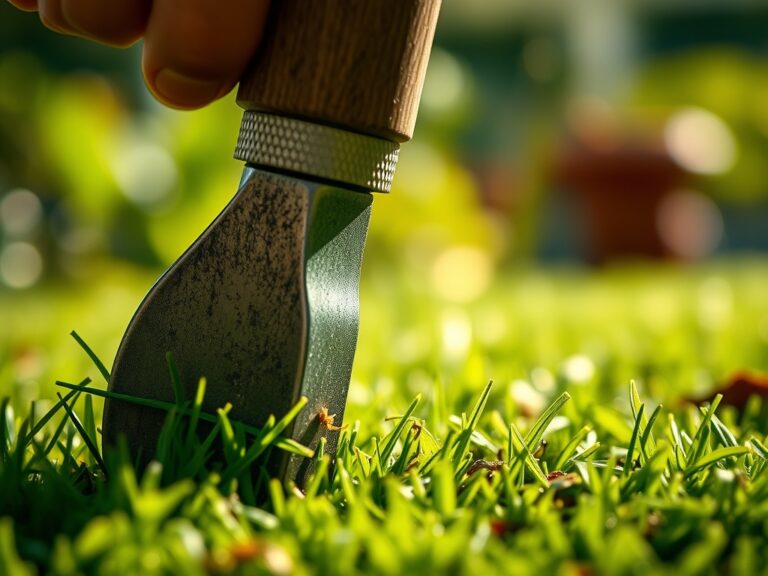
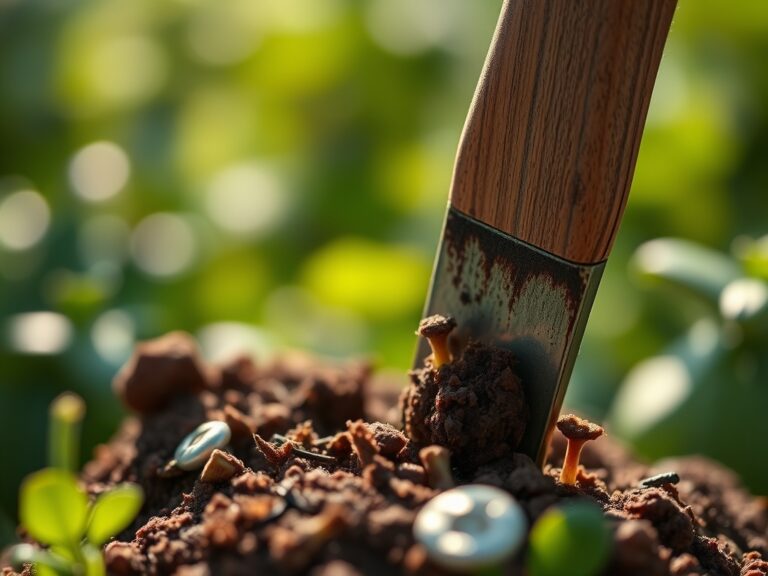
Precision is the hallmark of a professional. Use a soil moisture meter daily to check the tension at a depth of 6 inches. Most established landscape plants require 1.5 inches of water per week delivered at the drip line. Use a hori-hori knife to periodically weed between the rocks; the serrated edge allows you to cut taproots deep below the mineral layer.
Inspect your rock mulch annually. Over time, organic fines (dust and decomposed leaves) will fill the gaps between the stones. Use a stiff rake to agitate the top layer of rocks. This prevents the formation of a crust that could become hydrophobic, repelling the very water you are trying to retain. If using bypass pruners to manage growth, always disinfect the blades with 70 percent isopropyl alcohol between plants to prevent the spread of vascular pathogens.
The Yield:
For those growing fruiting crops or cut flowers, the timing of the harvest is dictated by turgor. Harvest in the early morning, specifically between 5:00 AM and 8:00 AM, when the plant is at maximum hydration. Use a sharp blade to make a clean cut, minimizing the surface area of the wound to prevent moisture loss.
Post-harvest handling is critical for "day-one" freshness. Immediately submerge the stems of cut flowers in 40-degree Fahrenheit water. For fruiting crops, move the produce to a shaded, cool area within 15 minutes of removal from the parent plant. This slows down the rate of respiration and preserves the sugars and acids within the tissue.
FAQ:
Which rock is best for water retention in pots?
Vermiculite is the superior choice for containers. Its plate-like structure expands to hold significant water volumes. It also possesses a high Cation Exchange Capacity, which helps retain essential nutrients like potassium and magnesium within the potting media.
Can I use gravel for soil retention?
Gravel works as a surface mulch to reduce evaporation, but it lacks internal porosity. For actual moisture retention within the soil profile, porous volcanic rocks like pumice or scoria are more effective than standard smooth gravel.
Does lava rock change soil pH?
Lava rock is generally pH neutral to slightly acidic. It is an excellent choice for most garden beds because it provides stable drainage and retention without the risk of alkalizing the soil, unlike limestone or marble chips.
How deep should my rock mulch be?
A depth of 2 to 3 inches is optimal. This thickness is sufficient to block sunlight from germinating weed seeds and to provide a thermal buffer that keeps the underlying soil cool and moist throughout the day.