9 Patient Steps to Level Fine Sand
The smell of damp earth after a light rain signifies the optimal moment for soil manipulation. When the leaf tissue exhibits high turgor pressure, the surrounding environment is ready for structural refinement. Managing a landscape with high silica content requires precision; you must follow specific steps to level fine sand to prevent erosion and ensure a stable rhizosphere for future plantings. Fine sand lacks the cohesive properties of clay or the organic complexity of silt. It has a high macropore space which leads to rapid leaching of mobile nutrients like nitrates. Without a level surface, water runoff creates deep rills that expose sensitive root systems to desiccation. Achieving a flat, graded plane requires a mechanical approach to physics and soil geometry. You are not merely moving dirt; you are managing the foundational topography to optimize hydraulic conductivity and ensure that subsequent organic layers do not migrate during heavy precipitation events.
Materials:

The success of leveling depends on the chemical and physical properties of your amendments. For fine sand, you must integrate materials that improve the Cation Exchange Capacity (CEC). Pure sand often has a CEC of less than 5 milliequivalents per 100 grams (meq/100g). To correct this, utilize a **friable loam** consisting of 40% sand, 40% silt, and 20% clay.
Target a soil pH between 6.0 and 7.0 for general turf or ornamental stability. If the sand is alkaline (common in coastal regions), sulfur applications may be necessary. For nutrient stabilization, integrate a slow-release fertilizer with an NPK ratio of 10-10-10 or a high-phosphorus 5-10-5 starter blend to encourage root anchorage once the leveling is complete. You will also require a 36-inch aluminum landscape rake, a water-filled sod roller, and a transit level or laser level to ensure a grade of no more than 1-2% slope away from structures.
Timing:
Timing must align with the local frost-date windows and the biological clock of the surrounding vegetation. In Hardiness Zones 5 through 7, the ideal window for major soil leveling is late spring or early autumn. This avoids the extreme heat of summer which can cause rapid evaporation and hydrophobic conditions in fine sand.
The biological clock of your plants dictates that you must finish leveling before the transition from the vegetative stage to the reproductive stage. Disrupting the root zone during anthesis (flowering) induces significant stress and can lead to premature senescence. Aim for a soil temperature of at least 55 degrees Fahrenheit to ensure that any stabilizing groundcover can germinate and secure the newly leveled sand immediately.
Phases:

Sowing the Foundation
The first of the steps to level fine sand involves clearing all existing debris and mechanical tilling to a depth of 4 inches. This breaks up any subsurface compaction layers that impede drainage. Once the area is clear, use a screed board to pull high spots into low depressions.
Pro-Tip: Maintain soil moisture at 25% field capacity during leveling. This increases the surface tension between sand grains, preventing "slumping" and allowing for more accurate grading. This physical property is known as matric potential.
Transplanting and Grading
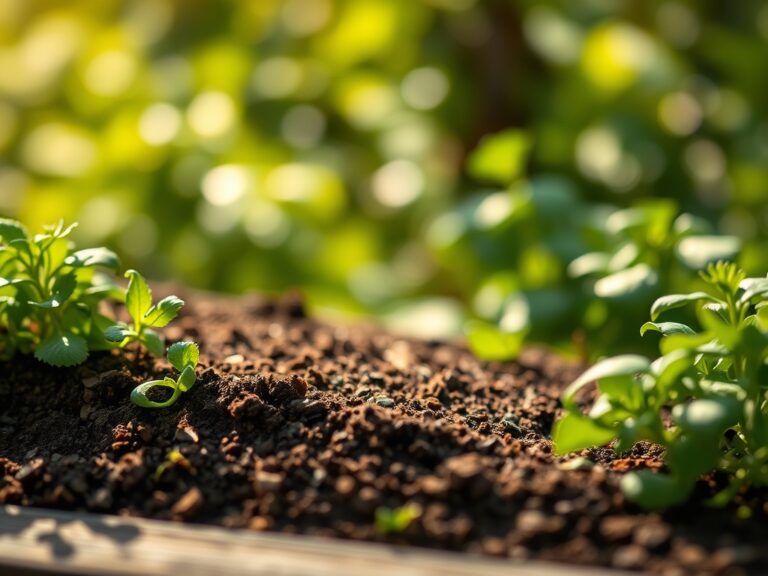
Incorporate your friable loam and organic matter into the top 2 inches of the sand. This creates a transition zone rather than a distinct layer. Distinct layers of different textures create a "perched water table" where water refuses to move from the fine sand into the heavier soil, drowning roots.
Pro-Tip: Use a sod roller filled to one-third capacity to firm the surface. This prevents air pockets without causing the massive compaction that would crush the soil's macropores. Maintaining pore space is essential for gas exchange in the rhizosphere.
Establishing Stability
Once the grade is set, apply a thin layer of mulch or a biodegradable erosion blanket. This protects the fine sand from wind erosion and "saltation," where sand grains bounce and damage emerging seedlings.
Pro-Tip: If planting immediately, inoculate the area with mycorrhizal fungi. This symbiotic relationship extends the reach of the root system, allowing plants to access phosphorus and water that would otherwise be unavailable in the low-CEC sand environment.
The Clinic:
Physiological disorders in sandy environments often stem from rapid fluctuations in moisture and nutrient availability.
- Symptom: Nitrogen Chlorosis.
- Solution: Observe the older, lower leaves. If they turn a uniform pale yellow while the veins remain light, the plant is scavenging nitrogen.
- Fix-It: Apply a foliar spray of urea or ammonium nitrate for immediate uptake, followed by a top-dressing of organic compost to increase nitrogen retention.
- Symptom: Blossom End Rot (Calcium Deficiency).
- Solution: This appears as a necrotic, sunken spot on the base of fruits. It is caused by inconsistent transpiration in sandy soil.
- Fix-It: Monitor soil moisture with a soil moisture meter and ensure a steady supply of calcium through lime or gypsum applications.
- Symptom: Iron Sequestration.
- Solution: Interveinal chlorosis on new growth suggests the pH is too high, locking out iron.
- Fix-It: Apply chelated iron and lower the pH using elemental sulfur to a range of 6.2 to 6.5.
Maintenance:
Maintenance on leveled sand must be rigorous to prevent the return of uneven terrain. Apply exactly 1.5 inches of water per week at the drip line of your plants; do not broadcast water over open sand as this triggers erosion. Use a soil moisture meter daily for the first 21 days after leveling to ensure the moisture profile remains consistent to a depth of 6 inches.
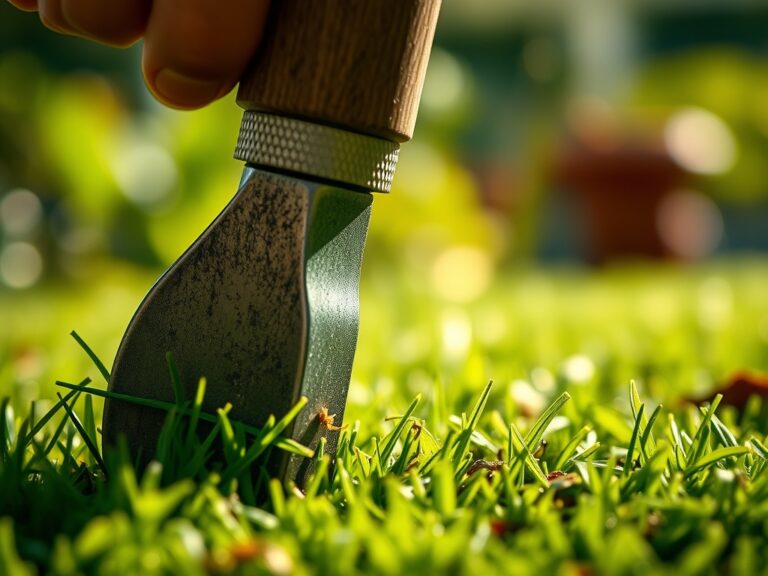
Keep a hori-hori knife on hand to remove deep-rooted weeds without disrupting the leveled surface. If you notice localized sinking, use a "top-dressing" technique: apply a mix of 70% sand and 30% organic fines in increments of no more than 0.25 inches at a time. This allows existing vegetation to grow through the new layer via auxin-driven elongation without being smothered.
The Yield:
When harvesting from a sandy, leveled plot, timing is dictated by the peak of turgor pressure. Harvest leafy greens or herbs in the early morning, before the sun triggers high transpiration rates. Use bypass pruners to make clean, surgical cuts that minimize the wound area, preventing pathogen entry.
To maintain "day-one" freshness, immediately submerge the cut ends in 40-degree Fahrenheit water. This "hydro-cooling" removes field heat and slows the metabolic rate of the plant tissue, delaying the onset of senescence. For root crops grown in leveled sand, the lack of resistance in the soil results in straighter, more uniform specimens that require only a light brushing to clean.
FAQ:
How do I stop sand from shifting after leveling?
Integrate 20% organic matter or silt into the top layer. Use a water-filled roller to increase bulk density and immediately seed with a deep-rooted cover crop to mechanically anchor the grains with a fibrous root system.
Can I level sand when it is bone dry?
No. Dry sand has zero structural integrity and will flow back into depressions. Moisten the sand to field capacity to utilize surface tension, which allows the grains to stack and hold a specific grade or slope.
What is the best tool for leveling fine sand?
A 36-inch aluminum landscape rake is the industry standard. Its wide head distributes pressure evenly, while the flat side allows for "screeding" or shaving off high spots with mathematical precision without digging into the subsoil.
How thick can I apply sand when leveling a lawn?
Limit top-dressing to 0.25 to 0.5 inches per application. Applying more can smother the crown of the grass, halting photosynthesis and causing the turf to die from a lack of gas exchange in the root zone.