7 Peaceful Ways How to Design a Meditation Garden
The smell of damp earth after a rain is the scent of geosmin; it is the volatile organic compound produced by soil-dwelling bacteria that signals a healthy rhizosphere. When you touch a leaf with high turgor pressure, you feel the internal hydraulic force that keeps the plant upright and functional. Learning how to design a meditation garden requires more than an aesthetic eye; it demands an understanding of plant physiology and soil chemistry to create a space that sustains itself and the observer. A successful garden is a biological machine where gas exchange and nutrient cycling occur in silence. By focusing on the structural integrity of the soil and the specific light requirements of each species, you build a sanctuary rooted in botanical science. The goal is to manipulate the environment to induce a state of physiological calm, both for the flora and the human occupant. This process begins with the foundational substrate and ends with a mature, self-regulating ecosystem.
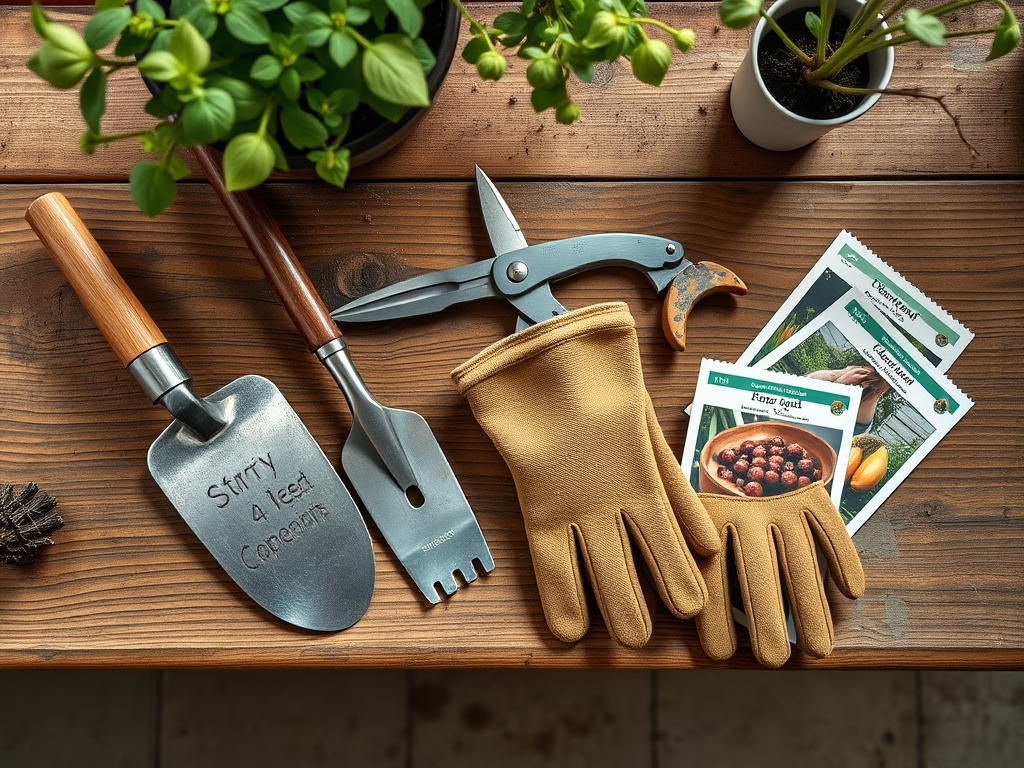
Materials:
The foundation of any meditation garden is a **friable loam** with a high Cation Exchange Capacity (CEC). This measurement dictates the soil’s ability to hold onto essential nutrients like potassium, calcium, and magnesium. Aim for a soil pH between **6.2 and 6.8** to ensure maximum bioavailability of micronutrients. For the structural backbone of the garden, utilize a balanced NPK ratio of **10-10-10** during the initial site preparation to establish baseline fertility.
If you are planting heavy-feeding evergreens for privacy screening, shift to a high-nitrogen formula such as 20-10-10 to support vegetative growth and chlorophyll production. For flowering perennials that provide sensory focus, use a 5-10-10 ratio; the higher phosphorus content encourages robust root systems and prolific anthesis. The substrate should feel gritty but cohesive; it must crumble when squeezed but retain enough moisture to support microbial life. Avoid heavy clays that restrict oxygen diffusion to the roots or pure sands that allow for rapid leaching of nitrates.
Timing:
Successful installation depends on your local Hardiness Zone and the specific photoperiod requirements of your selected taxa. In Zones 5 through 7, the primary planting window opens after the last spring frost, typically when soil temperatures consistently reach 55 degrees Fahrenheit. This temperature threshold is critical for root respiration and the activation of soil microbes.
Understanding the biological clock of your plants is essential. Most temperate species transition from the vegetative stage to the reproductive stage based on day length. For a meditation garden, you want to time your plantings so that the "peak" sensory period aligns with your intended use. For example, planting late-summer bloomers in early spring allows the plant to maximize its leaf area index before it diverts energy into flower production. Avoid transplanting during the heat of the afternoon to prevent excessive transpiration and wilting; early morning or late evening provides the lowest vapor pressure deficit, reducing stress on the plant's vascular system.
Phases:

Sowing and Site Preparation
Begin by clearing the site of all competitive vegetation. Use a hori-hori knife to remove deep-taproot weeds. Till the soil to a depth of 12 inches to alleviate compaction and improve aeration. If sowing seeds for a groundcover, ensure seed-to-soil contact by lightly tamping the surface.
Pro-Tip: Maintaining consistent moisture during germination is vital because the emerging radicle is highly susceptible to desiccation. This is due to osmotic potential; if the soil is drier than the seed tissue, water will move out of the plant and cause cellular collapse.
Transplanting
When moving nursery stock into the garden, dig a hole twice as wide as the root ball but no deeper. This encourages lateral root expansion into the native soil. Ensure the root flare remains visible at the soil line to prevent bark rot and hypoxia.
Pro-Tip: Use an inoculant containing endomycorrhizal fungi during this phase. This creates a mycorrhizal symbiosis where the fungi extend the reach of the root system, increasing the plant's phosphorus uptake and drought resistance by up to 30 percent.
Establishing
The first 90 days are the establishment phase. During this time, the plant prioritizes root development over apical growth. Monitor the plants daily for signs of transplant shock. Consistent hydration is mandatory to maintain the pressure within the xylem.
Pro-Tip: Avoid heavy pruning during the first season to prevent auxin suppression. Auxins are hormones produced in the growing tips that signal the roots to grow. Cutting back the canopy too early can stunt the development of the root system.
The Clinic:
Physiological disorders often mimic disease but are usually the result of environmental stress or nutrient imbalances.
Symptom: Interveinal chlorosis (yellowing between green veins) on new growth.
Solution: This indicates an Iron deficiency, often caused by a pH above 7.0.
Fix-It: Apply chelated iron and lower the soil pH using elemental sulfur to reach a target of 6.5.
Symptom: Leaf margins appearing scorched or "burnt" on older leaves.
Solution: This is typically Potassium deficiency or salt accumulation from over-fertilization.
Fix-It: Flush the soil with 3 inches of water to leach excess salts and apply a sulfate of potash supplement.
Symptom: Stunted growth with a distinct purple tint on the underside of leaves.
Solution: Phosphorus deficiency, often exacerbated by cold soil temperatures below 50 degrees Fahrenheit.
Fix-It: Apply bone meal or a high-phosphate liquid fertilizer once soil temperatures rise.
Maintenance:
Precision maintenance ensures the longevity of the meditation garden. Plants generally require 1.5 inches of water per week, delivered directly to the drip line to minimize foliar moisture and fungal pathogens. Use a soil moisture meter to check the hydration level at a depth of 4 inches before irrigating.
Pruning should be performed with sharp bypass pruners to ensure clean cuts that heal quickly through the production of callus tissue. Remove no more than 25 percent of the canopy in a single season to avoid taxing the plant's carbohydrate reserves. Mulch the area with 3 inches of organic matter to suppress weeds and regulate soil temperature; keep the mulch 2 inches away from the trunk or stems to prevent crown rot.
The Yield:
If your meditation garden includes aromatic herbs like lavender or chamomile, harvesting is a technical task. Harvest during the "balloon stage" just before the flowers fully open; this is when the concentration of essential oils is at its peak. Use a sharp blade to cut the stems in the early morning after the dew has evaporated but before the sun's heat volatilizes the oils. For "day-one" freshness, immediately place the cut stems in cool water and store them in a shaded, well-ventilated area. This slows the rate of senescence and preserves the cellular integrity of the plant material.
FAQ:
How do I choose the best location?
Select a site with a minimum of six hours of solar radiation for most species. Ensure the area has a 2 percent slope to facilitate drainage and prevent anaerobic soil conditions that lead to root rot.
What is the best mulch for a meditation garden?
Use triple-shredded hardwood mulch or arborist chips. These materials break down slowly, improving the soil organic matter (SOM) over time while providing a stable thermal blanket for the rhizosphere and suppressing weed seed germination.
How often should I test my soil?
Conduct a professional laboratory soil test every two to three years. This provides data on pH, macronutrients, and micronutrient levels, allowing for precise amendments rather than speculative fertilization that can lead to nutrient runoff.
Can I build a garden in heavy shade?
Yes, but you must select shade-obligate species with high chlorophyll density. These plants are adapted to low Photosynthetically Active Radiation (PAR). Incorporate organic matter to manage the increased moisture levels typical of shaded environments.