9 Natural Ways How to Design a Rock Garden
Crushed basalt and the sharp scent of damp mineral dust define the initial stages of a successful installation. Success depends on the mechanical stability of the substrate and the turgor pressure of the chosen flora. Learning how to design a rock garden requires an understanding of geomorphology and plant physiology. You are not merely placing stones; you are creating a microclimate that manages thermal mass and drainage. This process demands precision in soil chemistry and an awareness of the rhizosphere.
Materials:
The foundation of a rock garden is the substrate, which must be a friable loam mixed with inorganic grit to ensure a high infiltration rate. Aim for a soil pH between 6.0 and 7.0 for a general alpine palette. The nutrient profile should remain lean to prevent leggy, weak growth. Target an NPK ratio of 5-10-10 for established perennials to encourage root development over excessive foliage.
Your material list must include:
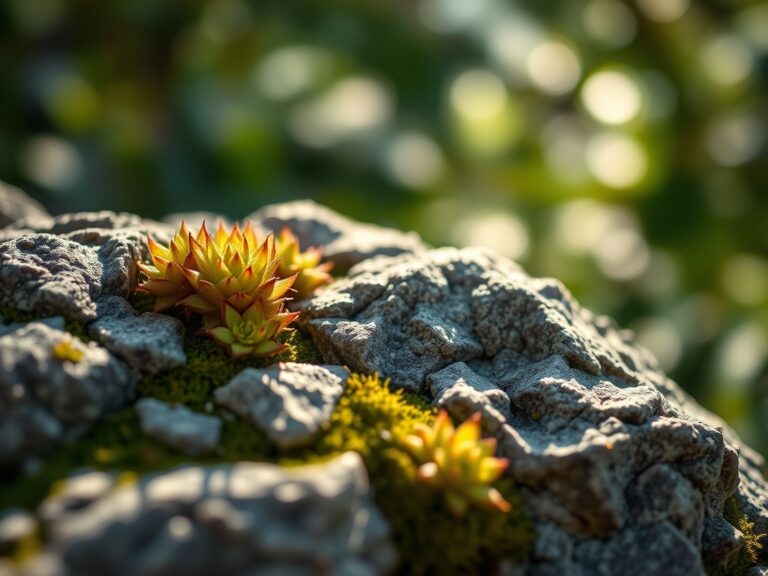
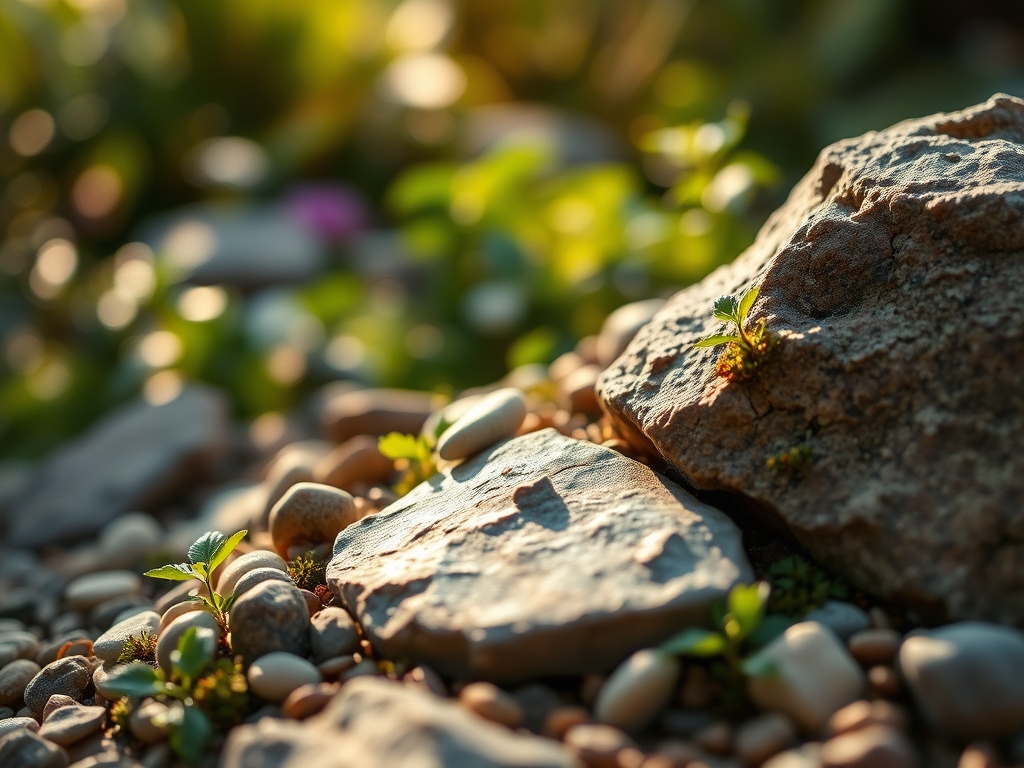
- Weathered Limestone or Granite: These provide the structural "bones" and thermal regulation.
- Coarse Horticultural Grit: Essential for increasing macropore space in the soil.
- Low-CEC (Cation Exchange Capacity) organic matter: Use leaf mold or composted bark to provide slow-release nutrients without spiking nitrogen levels.
- Non-woven Geotextile Fabric: To prevent the migration of fines into the drainage layer.
Timing:
Rock garden installation is most successful during the dormant or early vegetative stages of the plant life cycle. In Hardiness Zones 4 through 7, the ideal window is late autumn or early spring, at least six weeks before the first or last frost. This timing allows the root systems to establish without the stress of high evapotranspiration rates.
The biological clock of alpine plants is governed by the photoperiod and temperature fluctuations. Most rock garden species require a period of vernalization (cold treatment) to trigger the transition from vegetative to reproductive stages. Planting in the spring, just as soil temperatures reach 50 degrees Fahrenheit, ensures that the plants are entering their peak growth phase with maximum metabolic energy.
Phases:

Sowing and Site Preparation
Begin by excavating the area to a depth of 12 to 18 inches. Install a drainage layer of coarse rubble or broken brick. This prevents "wet feet," which causes root senescence in sensitive species. Layer the geotextile over the rubble before adding your custom soil mix.
Pro-Tip: Ensure that the largest rocks are buried at least one-third of their volume into the soil. This mimics natural outcroppings and provides a stable thermal mass that regulates soil temperature. Biological Why: This stability prevents "frost heaving," where the expansion of freezing water in the soil physically ejects plants from the ground, damaging the delicate root hairs.
Transplanting
When moving plants from nursery containers, gently tease the roots to break any circular growth patterns. Place the plant in a hole twice the width of the root ball. Ensure the crown sits slightly above the soil line to prevent crown rot.
Pro-Tip: Apply a 1-inch layer of pea gravel around the base of the plant. Biological Why: This mulch layer facilitates rapid drainage away from the plant's neck and prevents soil-borne pathogens from splashing onto the foliage during rain events, maintaining high cellular integrity.
Establishing
The first 90 days are critical for mycorrhizal symbiosis. Water deeply but infrequently to encourage the roots to seek moisture at lower depths. Monitor the plants for signs of wilt, which indicates a loss of turgor pressure.
Pro-Tip: Avoid high-nitrogen fertilizers during the establishment phase. Biological Why: Excess nitrogen can suppress the formation of symbiotic relationships with mycorrhizal fungi, which are essential for the uptake of phosphorus and micronutrients in lean, rocky soils.
The Clinic:
Physiological disorders in rock gardens often stem from improper drainage or nutrient imbalances.
-
Symptom: Interveinal chlorosis (yellowing leaves with green veins) on new growth.
Solution: This indicates an Iron deficiency, often caused by a pH that is too high (alkaline). Lower the pH using elemental sulfur to a range of 6.2 to 6.5. -
Symptom: Purpling of older leaves and stunted growth.
Solution: This is a Phosphorus deficiency. Apply a bone meal or a high-phosphorus starter fertilizer (NPK 5-20-10) to support ATP production and energy transfer within the plant. -
Symptom: Marginal leaf burn or necrosis.
Solution: This suggests Potassium deficiency or salt accumulation. Flush the soil with 2 inches of water to leach excess salts and apply a potassium sulfate supplement.
Fix-It: For general Nitrogen chlorosis (overall paling of the plant), apply a diluted liquid seaweed extract. This provides a quick boost of nitrogen and trace minerals without triggering the rapid, weak growth associated with synthetic urea.
Maintenance:
Precision is the hallmark of professional maintenance. Use a soil moisture meter twice weekly to check levels at a depth of 4 inches. Most rock garden plants require approximately 0.75 to 1.5 inches of water per week, delivered at the drip line to avoid wetting the foliage.
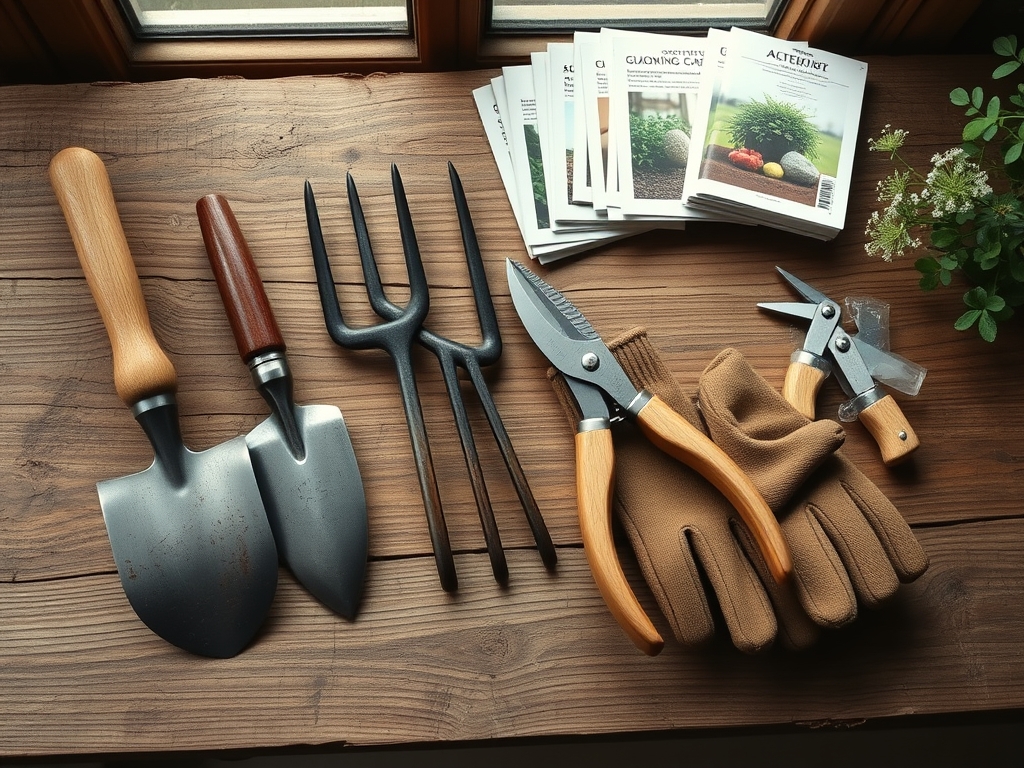
Pruning should be performed with sharp bypass pruners to ensure clean vascular cuts that heal quickly. Remove spent flower stalks to prevent the plant from diverting energy into seed production, a process known as deadheading. Use a hori-hori knife for precise weeding in tight crevices, ensuring you remove the entire taproot of invasive species to prevent regrowth from rhizomatous fragments.
The Yield:
For those incorporating alpine herbs or cut flowers like Dianthus or Lavandula, harvest during the early morning hours when turgor pressure is at its peak. This ensures the stems are rigid and the essential oil concentration is highest.
Use a sharp blade to cut just above a node to encourage branching. For "day-one" freshness, immediately submerge the cut ends in 110-degree Fahrenheit water to clear air bubbles from the xylem, then move them to a cool, dark location for two hours to harden off before final arrangement.
FAQ:
What is the best rock for a rock garden?
Use local, weathered stones like limestone or granite. These provide natural aesthetics and essential thermal mass. Ensure rocks are porous or have crevices to support specialized lithophytic plant species and maintain stable root temperatures during extreme weather.
How do I prevent weeds in a rock garden?
Install a 2-inch layer of inorganic mulch, such as crushed stone or gravel. This prevents light from reaching weed seeds and ensures rapid drainage at the plant crown, which discourages the germination of common broadleaf weeds.
Do rock gardens need fertilizer?
Rock gardens require minimal fertilization. Use a low-nitrogen, slow-release organic fertilizer (NPK 5-10-10) once in early spring. Over-fertilizing leads to soft, leggy growth that is susceptible to environmental stress and structural collapse.
How often should I water a rock garden?
Once established, most rock gardens need water only during extended droughts. Aim for 1 inch of water every 10 to 14 days. Always check the soil moisture at a 3-inch depth before supplemental irrigation to avoid root rot.
Can I build a rock garden in the shade?
Yes, but you must select shade-tolerant species like ferns, Saxifraga, or Ajuga. Ensure the soil mix remains well-draining, as evaporation rates are lower in the shade, increasing the risk of fungal pathogens in the rhizosphere.