10 Best Alpine Plants for Rocks
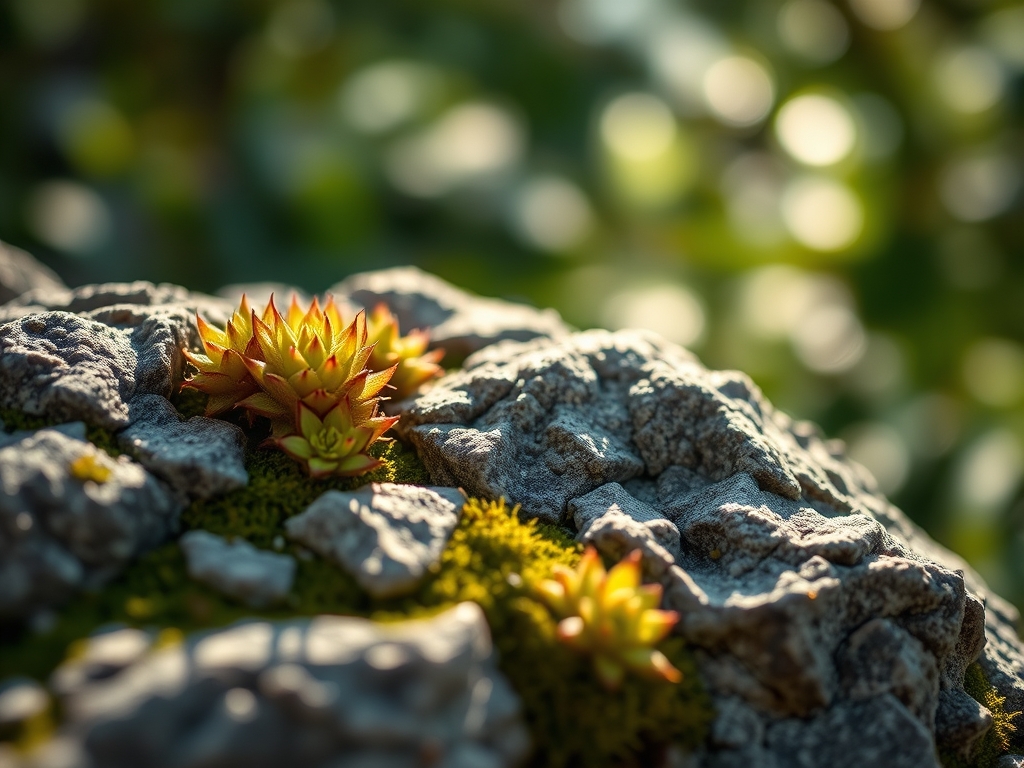
Crushing a handful of weathered granite releases the sharp, metallic scent of mineral dust; a stark contrast to the thick, fungal aroma of forest floor humus. True alpine species thrive in this high-drainage, low-nutrient environment where turgor pressure is maintained against punishing winds and intense ultraviolet radiation. Selecting the best alpine plants for rocks requires understanding the physiological adaptations of lithophytes and chasmophytes. These plants do not merely sit on stone; they anchor into fissures, utilizing specialized root systems to seek out microscopic moisture pockets. Success in the rock garden depends on replicating the scree slopes and fellfields of high-altitude ecosystems. You are not looking for lushness. You are looking for resilience, slow growth, and the structural integrity of compact cushions and mats that can withstand temperature swings of 40 degrees Fahrenheit within a single diurnal cycle.
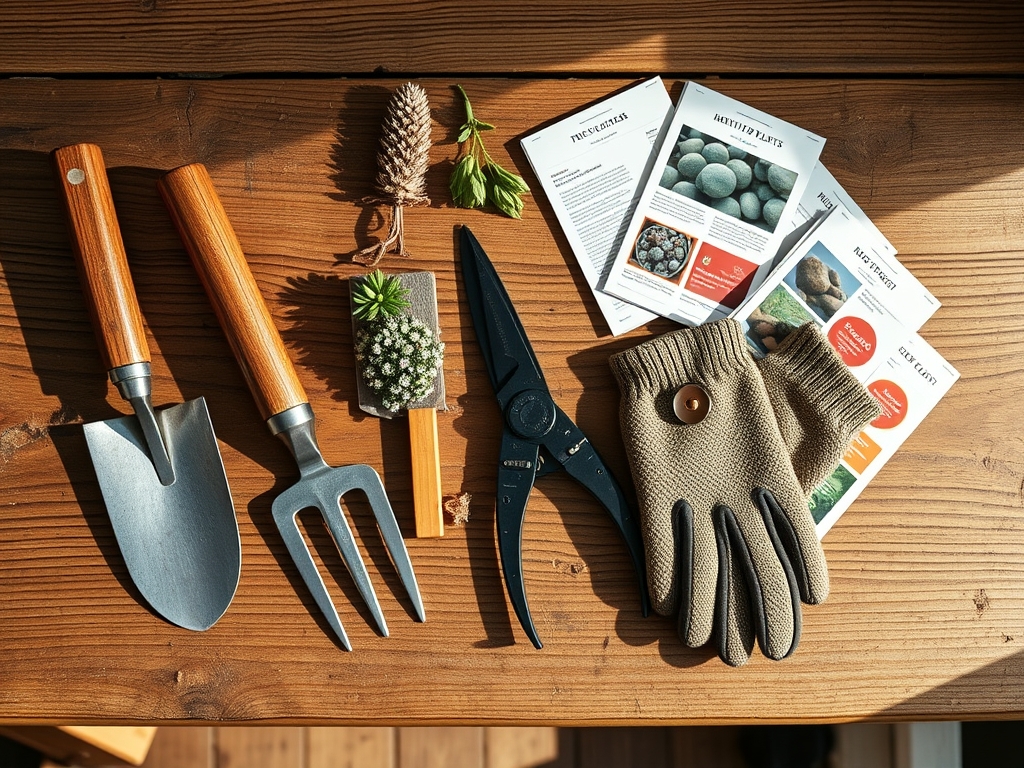
Materials:
The ideal substrate for alpine species is a friable loam heavily amended with inorganic grit. Most alpines require a pH range of 6.0 to 7.5, though specific calciphiles demand higher alkalinity. The Cation Exchange Capacity (CEC) of your rock garden soil will be naturally low due to the high mineral content; therefore, nutrient delivery must be precise.
For the majority of species like Saxifraga and Sempervivum, use a low-nitrogen NPK ratio of 5-10-10. Excessive nitrogen triggers rapid, soft growth that lacks the cellular density to survive winter desiccation. Your mix should consist of 50 percent crushed stone or expanded shale, 25 percent coarse sand, and 25 percent composted organic matter. This ensures a high percolation rate, preventing crown rot during dormant periods.
Timing:
Alpine plants are biologically synchronized with the brief growing seasons of Hardiness Zones 3 through 7. The "Biological Clock" of these species is governed by the photoperiod and the accumulation of Growing Degree Days (GDD).
The transition from vegetative growth to the reproductive stage typically occurs shortly after the spring thaw. For most regions, the planting window opens when soil temperatures consistently reach 45 degrees Fahrenheit (7 degrees Celsius). Planting must be completed at least six weeks before the first hard autumn frost to allow the root system to establish sufficient rhizosphere connectivity. This prevents "frost heaving," where the expansion and contraction of freezing soil ejects the plant from the ground.
Phases:

Sowing and Stratification
Many alpine seeds possess endogenous dormancy. They require a period of cold stratification at 34 to 39 degrees Fahrenheit for 60 to 90 days to simulate a mountain winter. This process breaks down germination inhibitors within the seed coat.
Pro-Tip: Use a thin layer of quartz grit over the seeds rather than soil. This prevents "damping off" by keeping the seedling neck dry while allowing light to reach the embryo; a necessary trigger for photoblastic germination.
Transplanting
When moving a specimen into a rock crevice, ensure the root ball is intact. Use a hori-hori knife to create a deep, narrow vertical channel. Position the plant so the crown sits 0.5 inches above the soil line, then backfill with pure grit.
Pro-Tip: Immediately apply a mycorrhizal inoculant to the root zone. This fosters a mycorrhizal symbiosis where fungal hyphae extend the root system's reach; increasing the uptake of phosphorus and water in nutrient-poor rock pockets.
Establishing
During the first 21 days, the plant focuses on root elongation rather than leaf production. Monitor the turgor of the foliage. If leaves appear flaccid, provide supplemental hydration, but avoid wetting the foliage to prevent fungal pathogens.
Pro-Tip: Avoid pruning during the establishment phase to prevent auxin suppression. Auxins produced in the terminal buds travel downward to stimulate root growth; cutting the tips early can stunt the development of a robust root architecture.
The Clinic:
Physiological disorders in rock gardens are often the result of environmental stress rather than pathogens.
-
Symptom: Interveinal Chlorosis (Yellowing between leaf veins while veins remain green).
Solution: This indicates an iron or magnesium deficiency, often caused by high pH locking out micronutrients. Apply a chelated iron drench and adjust soil pH to 6.5. -
Symptom: Crown Rot (Blackening and softening at the base of the plant).
Solution: This is caused by excessive moisture and poor gas exchange in the rhizosphere. Remove affected tissue with sterilized bypass pruners and replace the surrounding soil with 100 percent volcanic scree. -
Symptom: Anthocyanin Accumulation (Purpling of leaves during active growth).
Solution: While normal in winter, summer purpling suggests a Phosphorus deficiency or cold-induced stress. Check the soil moisture meter; if the soil is dry, the plant cannot transport phosphorus. -
Symptom: Etiolation (Leggy, pale growth).
Solution: The plant is receiving insufficient light, leading to a search for a light source. Relocate the specimen to an area receiving at least six hours of direct solar radiation.
Maintenance:
Precision is the hallmark of alpine maintenance. Established plants require approximately 0.75 to 1.5 inches of water per week, delivered directly to the drip line via a narrow-spout watering can or drip emitter. Use a soil moisture meter to verify that the substrate is dry to a depth of 2 inches before re-watering.
Annual maintenance involves "top-dressing" with a 0.5-inch layer of fresh granite grit in early spring. This maintains the physical barrier between the damp soil and the plant's crown. Use bypass pruners to remove spent flower stalks, which triggers the plant to redirect energy from seed production back into the rhizome or root system, preventing premature senescence.
The Yield:
For flowering alpines like Gentiana or Aubrieta, the "yield" is the preservation of the floral display. Harvest seeds only when the pods are completely desiccated and turn a tan color. To maintain "day-one" freshness for cut rock-garden flowers, submerge the stems in 40-degree Fahrenheit water immediately after cutting. This rapid cooling slows the metabolic rate and preserves cellular turgidity.
FAQ:
Which alpine plants are best for sun-baked rocks?
Sedum spathulifolium and Sempervivum tectorum are ideal. They utilize Crassulacean Acid Metabolism (CAM), closing stomata during the day to prevent water loss and opening them at night to exchange gases in cooler temperatures.
How do I prevent my rock plants from rotting in winter?
Ensure the plant crown is surrounded by inorganic grit rather than organic soil. This prevents moisture from "sitting" against the stem. Proper percolation allows water to move past the roots quickly during snowmelt cycles.
What is the best NPK ratio for rock garden plants?
A 5-10-10 or 0-10-10 ratio is preferred. High nitrogen levels (the first number) create weak, elongated cells that are susceptible to frost damage and pests. High phosphorus and potassium promote root strength and cold hardiness.
Can I grow alpine plants in a humid climate?
Yes, but you must increase the inorganic component of your soil to 80 percent. Use "tufa" rock, which is porous and allows for maximum evaporation and root aeration, mimicking the dry air of high altitudes.
When should I divide my rock garden perennials?
Divide in early spring just as new growth emerges. This allows the divisions to utilize the spring moisture and moderate temperatures to re-establish their cation exchange capacity before the heat of summer creates high transpiration stress.