8 Best Dish Garden Design Ideas
The smell of damp peat moss and the gritty texture of perlite under fingernails signal the start of a precision build. A healthy succulent leaf should feel turgid; its cell walls are fully distended by internal water pressure. When executing the best dish garden design ideas, the goal is to create a closed biological system that maintains this osmotic balance. Successful miniature landscapes require more than aesthetic placement. They demand an understanding of substrate gas exchange and root zone temperature regulation. You are not just decorating a bowl; you are managing a high density rhizosphere where every cubic centimeter of soil must provide optimal cation exchange capacity.
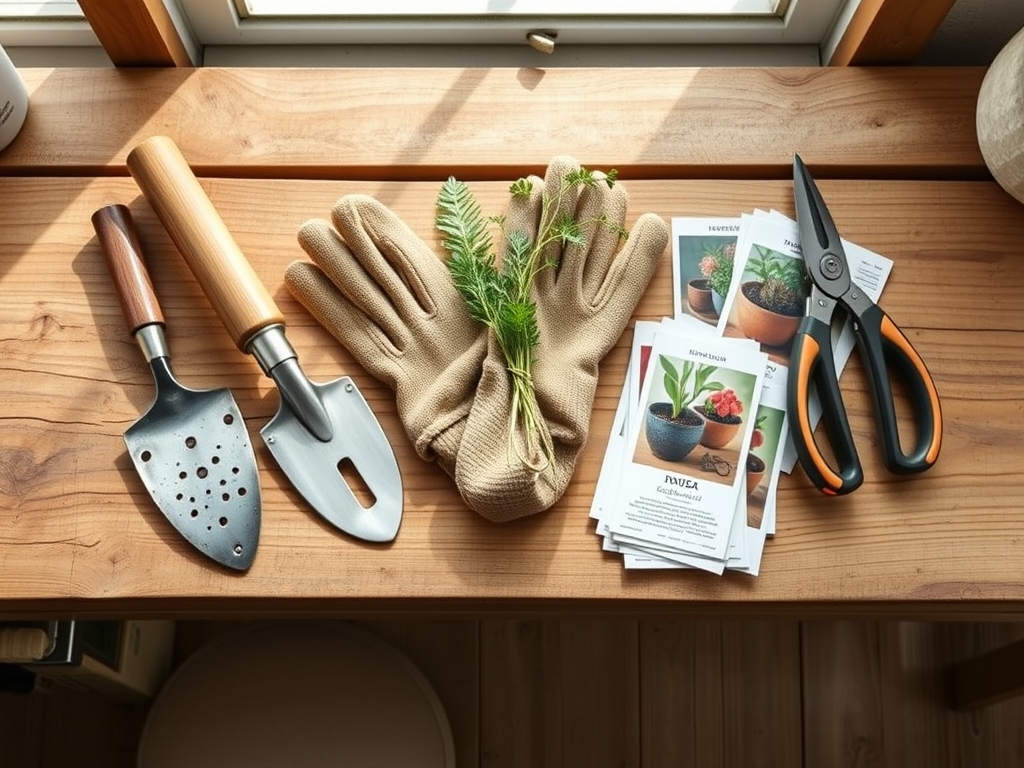
Materials:
Substrate selection is the most critical variable in dish garden longevity. For arid designs involving Crassulaceae, use a gritty mix with a **pH of 6.0 to 7.0**. The ideal physical texture is a friable loam mixed with 40 percent inorganic material like pumice or calcined clay. This ensures a high macro-pore space for oxygen diffusion. Tropical designs require a higher organic matter content to maintain moisture, targeting a **pH of 5.5 to 6.5**.
Nutrient loading must be conservative to prevent leggy growth. Use a controlled-release fertilizer with an NPK ratio of 10-10-10 for general foliage or a 5-10-10 ratio for flowering species to prioritize root and bloom development over vegetative biomass. Ensure the container has a depth of at least 3 inches to allow for vertical root expansion and to prevent salt buildup at the soil surface.
Timing:
Dish gardens are primarily indoor installations, yet they remain tethered to the external photoperiod. In Hardiness Zones 3 through 7, the transition from winter dormancy to spring growth usually occurs when indoor light levels exceed 12 hours per day. This biological clock triggers the production of gibberellins, hormones that stimulate cell elongation.
The best window for assembly is late winter or early spring, approximately 4 to 6 weeks before the last local frost date. This timing aligns with the plant's natural surge in metabolic activity, allowing for rapid root establishment. During the reproductive stage, flowering species like Saintpaulia will require a consistent temperature of 65 to 75 degrees Fahrenheit to maintain bloom cycles.
Phases:

Sowing and Selection
Select specimens with similar light and water requirements. Grouping a desert cactus with a moisture-loving fern is a recipe for physiological failure. Ensure all selected plants are in the vegetative stage and show no signs of senescence.
Pro-Tip: Before planting, gently tease the outer roots. This disrupts apical dominance in the root tips, stimulating lateral branching and faster integration into the new substrate.
Transplanting
Position the largest specimen first to establish the focal point. Maintain a distance of 1.5 to 2 inches between plant stems to allow for adequate airflow. This prevents the formation of stagnant microclimates that encourage fungal pathogens.
Pro-Tip: Place a layer of activated charcoal at the base of the dish. This manages the Cation Exchange Capacity (CEC) by adsorbing impurities and preventing the "sour" smell associated with anaerobic soil conditions.
Establishing
Once planted, settle the soil with a fine mist rather than a heavy pour. This prevents the collapse of soil pores. Place the garden in indirect light for 7 to 10 days to minimize transplant shock and allow the stomata to regulate to the new environment.
Pro-Tip: Avoid immediate fertilization. High salt concentrations can cause osmotic stress, drawing water out of the new, sensitive root hairs through the process of exosmosis.
The Clinic:
Physiological disorders in dish gardens often manifest through foliage changes. Monitor these symptoms closely to intervene before systemic collapse occurs.
- Symptom: Interveinal Chlorosis. The leaves turn yellow while the veins remain green.
- Solution: This is typically a Magnesium deficiency. Apply a solution of 1 teaspoon of Epsom salts per gallon of water to restore chlorophyll production.
- Symptom: Leaf Abscission. Sudden dropping of healthy-looking leaves.
- Solution: This is often a response to Ethylene gas or rapid temperature fluctuations. Move the garden away from drafts and ripening fruit.
- Symptom: Edema. Small, corky bumps on the underside of leaves.
- Solution: The plant is taking up water faster than it can transpire. Reduce watering frequency and increase air circulation to lower humidity.
- Fix-It: Nitrogen Chlorosis. If the oldest leaves turn a uniform pale yellow, the plant is scavenging nitrogen for new growth. Apply a liquid fertilizer with a high N rating (e.g., 20-10-10) at half strength to stabilize the nitrogen cycle.
Maintenance:
Precision maintenance extends the life of a dish garden from months to years. Use a soil moisture meter to verify that the root zone is dry to a depth of 1 inch before adding water. For most designs, applying 0.5 to 1 cup of water directly to the soil surface every 10 to 14 days is sufficient.
Use a hori-hori knife for precise soil aeration every six months. This prevents compaction. Employ bypass pruners to remove spent blooms or overgrown foliage; always cut just above a node to encourage compact, bushy regrowth. If salts accumulate as a white crust on the rim, flush the substrate with distilled water until the runoff is clear.
The Yield:
For dish gardens featuring herbs or edible flowers like violas, harvest timing is essential for flavor and potency. Harvest in the early morning when turgor pressure is at its highest and essential oil concentration is peak. Use sharp snips to take no more than 30 percent of the plant's biomass at one time.
To handle the harvest for "day-one" freshness, immediately submerge the cut ends in cool water. This maintains the hydraulic column within the xylem. For non-edibles, "yield" refers to the aesthetic longevity. Regular deadheading prevents the plant from shifting energy into seed production, thereby extending the vegetative lifespan.
FAQ:
How do I prevent root rot in a container without drainage?
Use a thick layer of horticultural grit at the base for a drainage reservoir. Monitor moisture levels with a soil moisture meter. Never allow the water table to rise into the active root zone, as this causes anaerobic root death.
Which plants work best for a low-light dish garden?
Select species with high chlorophyll density like Sansevieria, Aglaonema, or Pothos. These plants have adapted to low photon flux density. They maintain metabolic functions in environments with less than 100 foot-candles of light.
Why are my succulent leaves turning mushy and translucent?
This is a sign of over-hydration and cell wall rupture. The plant has absorbed excess water, causing the vacuoles to burst. Immediately cease watering and consider replacing the substrate with a mix containing more perlite or poultry grit.
How often should I fertilize my dish garden?
Apply a balanced, water-soluble fertilizer at quarter-strength every six to eight weeks during the active growing season. Avoid fertilization during the winter months when the plant’s metabolic rate slows and nutrient uptake is minimal.
Can I use garden soil for my dish garden?
No. Field soil contains silt and clay particles that collapse in a container, eliminating pore space. It also introduces pathogens and weed seeds. Always use a sterilized, peat-based or coco-coir-based professional potting medium for indoor use.