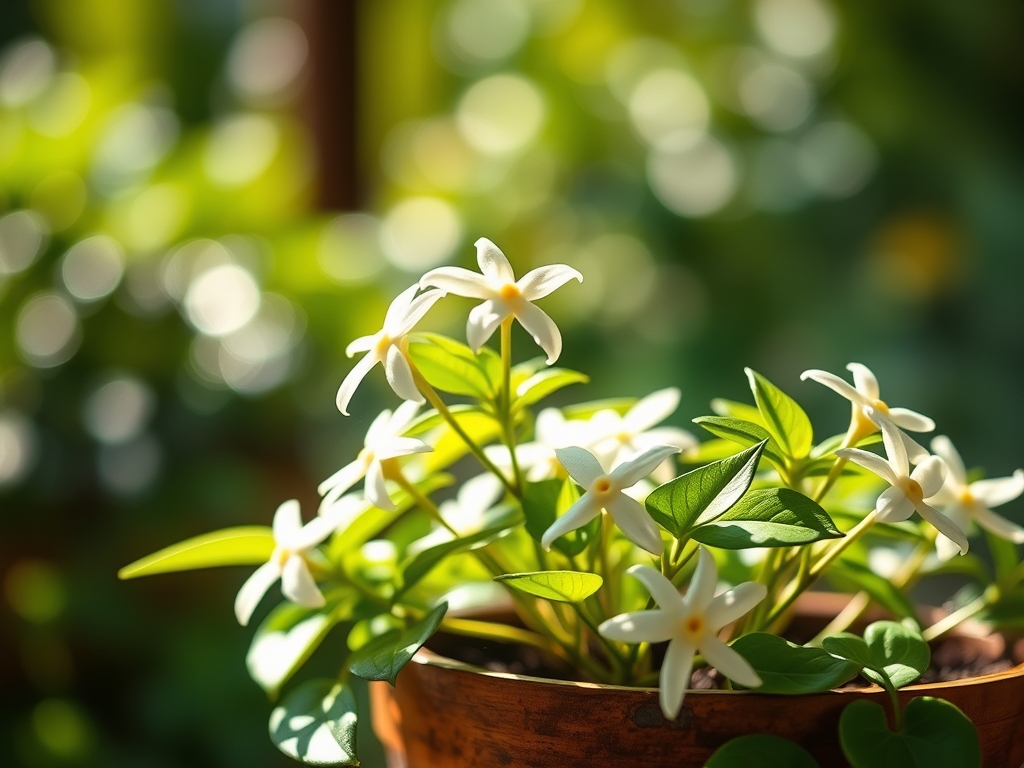
9 Vital Steps to Grow Jasmine Plants Indoors
The scent of damp, acidic peat and the firm turgor of a waxy leaf signify a healthy indoor environment. Achieving this requires more than casual care; it demands a rigorous adherence to the biological needs of the genus Jasminum. Mastering the steps to grow jasmine plants indoors involves controlling the microclimate to mimic subtropical conditions. Success is measured by the plant's ability to maintain high osmotic pressure within its cells, preventing the wilting that often plagues indoor specimens. You must manage light cycles and soil chemistry with precision to ensure the transition from vegetative growth to the production of volatile aromatic compounds.
Indoor jasmine cultivation is a battle against low humidity and stagnant air. The plant requires a specific balance of thermal energy and moisture to sustain its metabolic rate. If the ambient temperature fluctuates too wildly, the plant will undergo premature senescence, shedding its foliage to protect its core. You are looking for a deep, lustrous green in the leaves, indicating sufficient chlorophyll density. Any deviation toward yellowing suggests a breakdown in the rhizosphere or a failure in nutrient uptake. By following a structured scientific approach, you can maintain these plants in a state of perpetual vigor, ensuring they provide the olfactory rewards for which they are prized.
Materials:
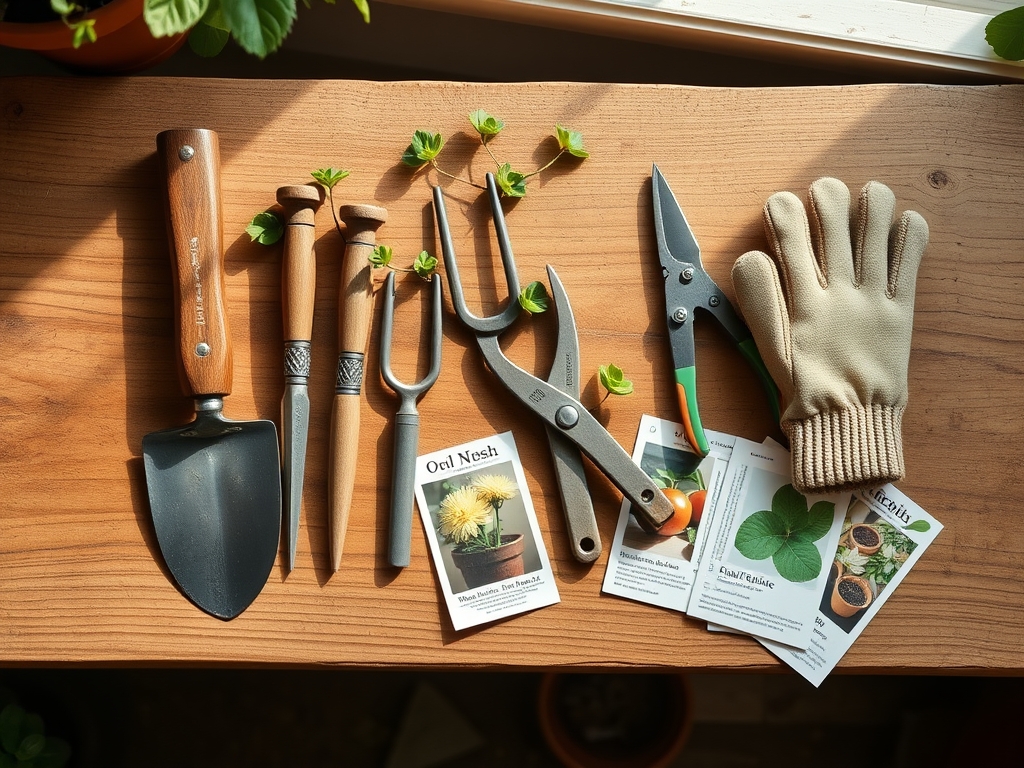
The substrate is the foundation of the plant’s health. You require a **friable loam** with a high **Cation Exchange Capacity (CEC)** to ensure nutrients remain available at the root zone. The ideal soil pH for jasmine falls between **5.5 and 6.5**. Use a potting mix composed of **40% peat moss, 30% perlite, and 30% sterilized pine bark**. This configuration ensures rapid drainage while retaining enough moisture to prevent desiccation of the fine root hairs.
For fertilization, select a water-soluble NPK ratio of 7-9-5. The higher phosphorus content is essential for supporting the reproductive phase and flower initiation. You will also need a soil moisture meter to monitor the volumetric water content and a digital hygrometer to track ambient humidity. Avoid standard terracotta pots unless they are glazed on the interior; unglazed clay wicks moisture away too quickly, leading to salt accumulation and root burn.
Timing:
While jasmine is typically associated with USDA Hardiness Zones 7 through 10, indoor cultivation bypasses external frost dates. However, the plant's "Biological Clock" remains tethered to the photoperiod. To induce flowering, most jasmine species require a cooling period of six weeks during the winter months, where night temperatures are maintained between 40 and 55 degrees Fahrenheit.
The transition from the vegetative stage to the reproductive stage is triggered by these cooler temperatures and shorter days. If you provide consistent 75-degree heat year-round, the plant will continue to produce leggy, vegetative vines without ever setting buds. You must synchronize your indoor environment with the natural seasonal shifts to ensure the plant completes its full life cycle.
Phases:
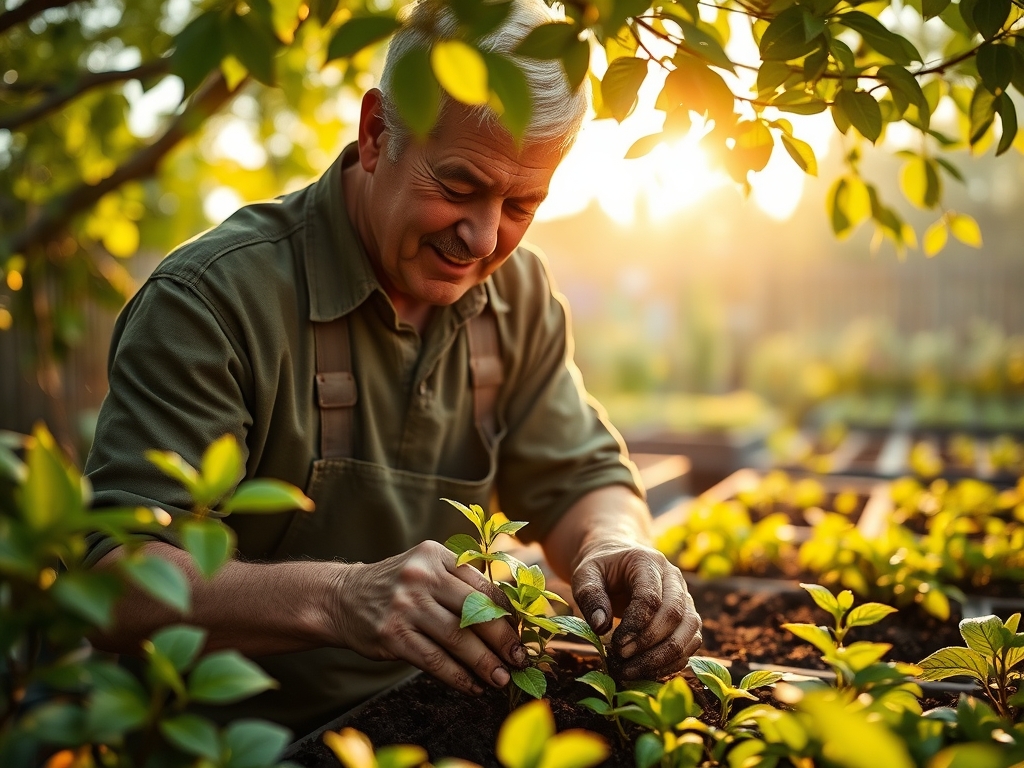
Sowing and Propagation
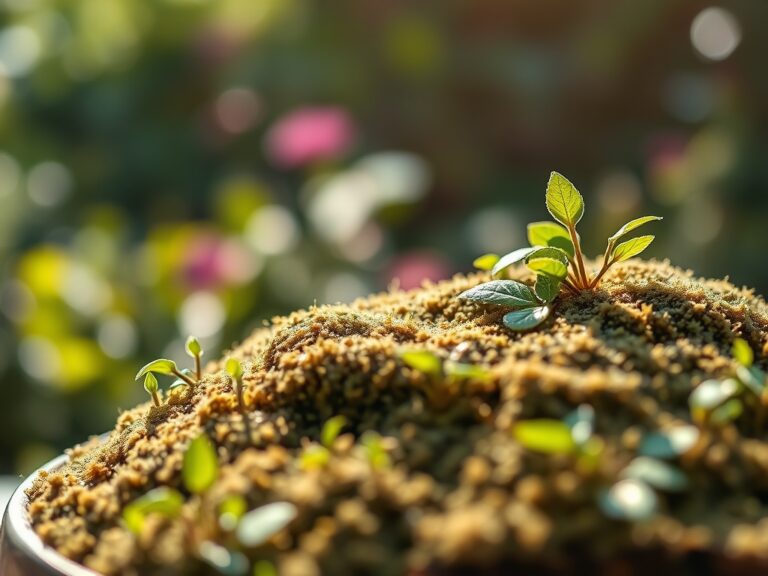
Most indoor jasmine is started from semi-hardwood cuttings rather than seeds. Take a 6-inch cutting just below a node. Dip the basal end in an indole-3-butyric acid (IBA) rooting hormone to stimulate cell differentiation. Place the cutting in a sterile medium of coarse sand and vermiculite. Maintain a consistent temperature of 70 degrees Fahrenheit at the root zone using a heating mat.
Pro-Tip: Cover the cutting with a clear cloche to maintain 90% humidity. This prevents transpirational pull from dehydrating the cutting before it develops a vascular system to draw water from the substrate.
Transplanting
Once the root system has reached 2 inches in length, move the plant to its permanent container. Use a hori-hori knife to create a hole twice the width of the root ball. Ensure the crown of the plant sits exactly at the soil line. Planting too deep leads to stem rot; planting too shallow causes the upper roots to desiccate.
Pro-Tip: Inoculate the soil with mycorrhizal fungi during transplanting. This symbiotic relationship expands the surface area of the root system, significantly increasing the plant's ability to absorb phosphorus and micronutrients.
Establishing
During the first 60 days, focus on structural development. Use a small trellis to provide vertical support. Jasmine is a vigorous climber that utilizes circumnutation; the tips of the vines move in circular patterns until they find a support structure to latch onto.
Pro-Tip: Pinch back the leading tips of the vines to stimulate auxin suppression. By removing the apical meristem, you encourage lateral branching, resulting in a bushier, more productive plant rather than a single, thin vine.
The Clinic:
Monitoring physiological disorders is a daily requirement. If you observe interveinal chlorosis (yellowing between the veins), the plant likely suffers from a magnesium deficiency. Apply one tablespoon of Epsom salts per gallon of water to correct this.
Symptom: Leaf drop during winter.
Solution: This is often a response to low humidity or drafts. Move the plant away from HVAC vents and increase the humidity to at least 50%.
Symptom: Stunted growth and dark purple undersides on leaves.
Solution: This indicates a phosphorus deficiency, common in soils with a pH above 7.0. Adjust the pH using an acidifying fertilizer or elemental sulfur.
Symptom: Sudden wilting despite moist soil.
Solution: This suggests root rot (Phytophthora). Reduce watering frequency and ensure the drainage holes are not obstructed.
Maintenance:
Precision watering is the cornerstone of jasmine care. Provide 1.5 inches of water per week, applying it directly to the soil surface to avoid wetting the foliage. Use a soil moisture meter to ensure the top 2 inches of soil are dry before re-watering.
Pruning should be performed with sharp bypass pruners immediately after the flowering cycle ends. Remove dead, damaged, or crossing branches to improve airflow through the canopy. This reduction in density prevents the buildup of humidity-loving pathogens. During the active growing season, apply the 7-9-5 fertilizer at half-strength every two weeks.
The Yield:
Harvesting jasmine flowers for their fragrance requires timing. The concentration of essential oils is highest just before dawn. Pluck the flowers when they are fully open but before the petals begin to brown. To preserve the scent, place the blossoms in a sealed container and refrigerate them immediately. This slows down the rate of senescence and prevents the volatile oils from evaporating. For the plant's health, removing spent blooms (deadheading) prevents the plant from diverting energy into seed production, allowing it to focus on further vegetative growth and future bud development.
FAQ:
How much light does indoor jasmine need?
Jasmine requires at least six hours of direct sunlight daily. Use a south-facing window or supplemental full-spectrum LED grow lights. Maintain an intensity of 1,500 to 3,000 foot-candles for optimal photosynthesis and flower production.
Why is my jasmine plant not blooming?
Lack of blooms usually results from insufficient light or a lack of a cool rest period. Ensure the plant experiences temperatures between 40 and 55 degrees Fahrenheit for six weeks during winter to trigger bud initiation.
What is the best fertilizer for indoor jasmine?
Use a water-soluble fertilizer with a 7-9-5 NPK ratio. The higher phosphorus content supports flower development. Apply at half-strength every 14 days during the spring and summer growing seasons.
How do I increase humidity for my jasmine?
Use a pebble tray filled with water or a dedicated room humidifier. Aim for a consistent humidity level of 50% to 60%. Avoid misting the leaves directly, as this can encourage fungal pathogens on the foliage.