9 Vital Steps to Ficus Bonsai Guide
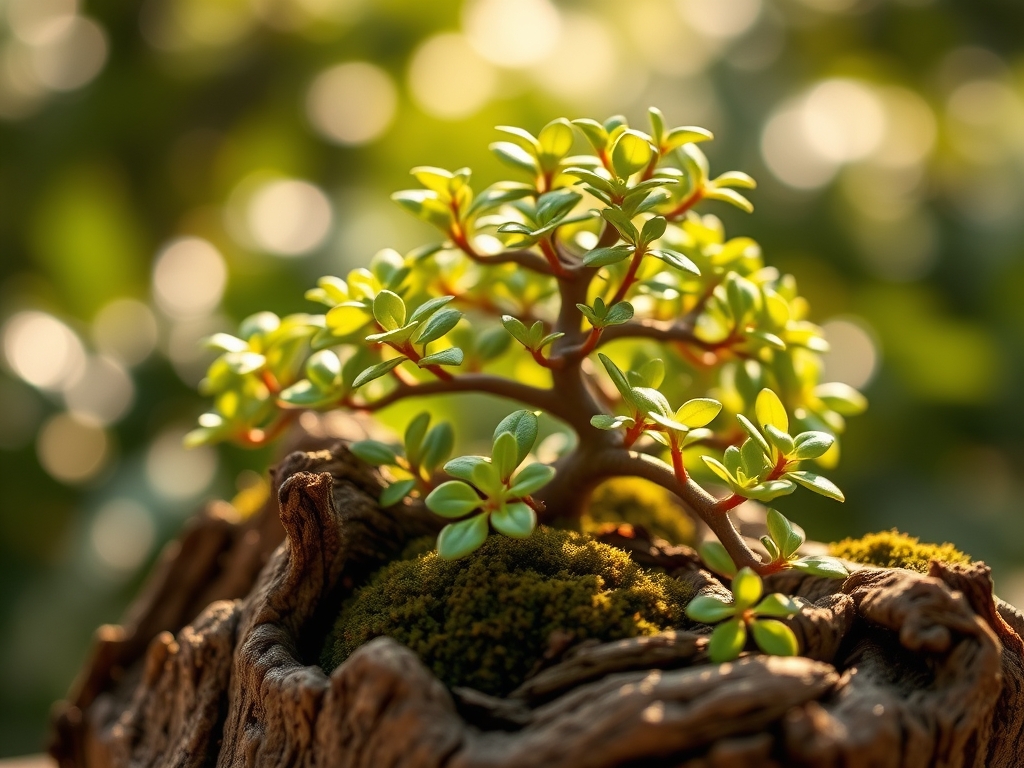
The first time you wire a Ficus retusa branch at a 45-degree angle and watch adventitious roots cascade from the cambium layer, you understand why these tropical evergreens dominate indoor bonsai collections. Ficus species tolerate aggressive root pruning, recover from defoliation in 14 to 21 days, and thrive in USDA Zones 10-11 outdoors or controlled environments year-round. Mastering the steps to ficus bonsai guide requires understanding their epiphytic ancestry, where aerial roots anchor to host trees in monsoon forests across Southeast Asia. This physiological adaptation translates directly to container culture success when you manipulate auxin distribution and manage substrate aeration.
Materials
Select a porous growing medium with a pH range of 6.0 to 6.5. Blend akadama (40%), pumice (30%), and composted pine bark (30%) to achieve adequate cation exchange capacity while preventing anaerobic zones. Avoid peat-based mixes; Ficus roots demand oxygen at the cellular level and suffocate in compacted substrates.
For fertilization, apply a balanced organic formulation at 4-4-4 NPK during active growth from March through September. Supplement with liquid fish emulsion at half strength every two weeks to provide trace elements including boron and zinc. Reduce nitrogen availability after September 15 in temperate indoor settings to slow lignification before winter dormancy analogs.
Tools must include concave cutters for flush wounds that promote callus formation, aluminum or annealed copper wire in 1.0 mm to 3.0 mm gauges, and a root hook fabricated from stainless steel. Sterilize all cutting implements in 10% bleach solution between specimens to prevent Xanthomonas transmission.

Timing
Ficus species exhibit no true dormancy but demonstrate slowed metabolism below 60°F. Initiate major structural work between late April and early June when cambial activity peaks and wounds compartmentalize rapidly. In Zones 10-11, outdoor specimens tolerate year-round manipulation, but schedule root pruning after the spring flush hardens off.
Monitor indoor temperatures closely. Maintain 68°F to 78°F during daylight hours and no lower than 60°F at night. Position specimens within 18 inches of south-facing windows or supplement with full-spectrum LEDs providing 2,000 to 3,000 foot-candles for 12 hours daily. Sudden temperature drops below 50°F trigger leaf abscission within 72 hours.
Phases
Sowing and Selection
Acquire nursery stock between 2 and 5 years old with a trunk diameter of 0.75 to 1.5 inches at soil level. Examine the nebari (surface root structure) for radial distribution in eight equally spaced sectors. Reject specimens with inverse taper or crossing surface roots that cannot be corrected through approach grafting.
If propagating from cuttings, harvest 6-inch semi-hardwood sections in May. Dip cut ends in 0.3% indole-3-butyric acid powder and insert into pure pumice. Rooting occurs in 21 to 28 days under 75°F bottom heat with 85% relative humidity.
Pro-Tip: Inoculate root zones with Glomus intraradices mycorrhizal fungi at planting to increase phosphorus uptake efficiency by 40% and enhance drought tolerance.

Transplanting Protocol
Repot established specimens every 24 months in early May. Remove the root ball and use a root hook to comb out circling roots. Prune up to one-third of root mass with sharp shears, targeting thick descending roots while preserving fibrous feeder roots in the outer 2 inches.
Position the tree in an unglazed ceramic or mica training pot with drainage holes comprising 15% of the base area. Secure with aluminum wire threaded through drainage holes and over the root crown. Work substrate into air pockets using a chopstick, then water with a dilute solution of vitamin B1 at 1 tablespoon per gallon.
Pro-Tip: Angle the trunk 5 to 10 degrees toward the viewer to create depth illusion and emphasize the primary viewing plane.
Establishing Structure
Apply wire at 45-degree angles to branches, spiraling upward with consistent spacing equal to the wire diameter. Begin coiling from the trunk junction and extend to two-thirds of the branch length. Remove wire after 8 to 12 weeks before it scars the bark.
Defoliation accelerates ramification in mature specimens. Remove all leaves in June, leaving petioles attached. New growth emerges in 14 days with reduced internode length. Limit this technique to healthy trees and execute only once per growing season.
Pro-Tip: Prune to two leaves after every six-leaf extension to maintain apical dominance while forcing back-budding on interior nodes.
Troubleshooting
Symptom: Chlorotic leaves with green veins. Solution: Iron deficiency from alkaline substrate. Drench with chelated iron at 1 teaspoon per gallon and amend soil with sulfur to lower pH to 6.2.
Symptom: Sudden defoliation without discoloration. Solution: Environmental shock from temperature fluctuation or relocation. Stabilize conditions and increase humidity to 60% with a pebble tray.
Symptom: White cottony masses on leaf axils. Solution: Mealybug infestation (Planococcus citri). Swab with 70% isopropyl alcohol on cotton applicators. Follow with horticultural oil spray at 2% concentration every 7 days for three applications.
Symptom: Browning leaf tips. Solution: Salt accumulation from fertilizer. Flush substrate with distilled water at three times pot volume. Reduce feeding frequency to every 21 days.
Maintenance
Water when the top half-inch of substrate feels dry to touch, typically every 48 to 72 hours in active growth. Apply 1 cup of water per 6-inch pot diameter, ensuring drainage from bottom holes. Never allow standing water in saucers beyond 10 minutes.
Prune maintenance shoots to two leaves every 14 days during the growing season. Remove any growth emerging below graft unions immediately. Rotate pots 90 degrees weekly to ensure even light exposure and prevent phototropic lean.
FAQ
How long until a ficus becomes a true bonsai?
Structural foundation develops in 3 to 5 years with consistent pruning and wiring protocols. Refinement continues for decades.
Can ficus bonsai survive outdoors in Zone 7?
No. Ficus species suffer irreversible damage below 40°F. Maintain indoor conditions or provide heated greenhouse protection.
Why do aerial roots fail to develop?
Insufficient humidity. Maintain 70% relative humidity and mist developing roots twice daily until they anchor in substrate.
What causes branch dieback after wiring?
Wire applied too tightly restricts phloem transport. Remove immediately and allow six weeks recovery before rewiring.
How often should I fertilize in winter?
Reduce to once monthly at half strength when growth slows and daylight drops below 10 hours.