9 Easy Steps to Plant Red Carrots
Red carrots emerge from the soil with the deep crimson hue of fresh beets, their pigment derived from lycopene rather than the beta-carotene found in orange varieties. The steps to plant red carrots require specific soil preparation and timing to develop their characteristic color intensity and straight, uniform roots. These cultivars demand loose, stone-free growing medium with a pH between 6.0 and 6.8 to prevent forking and optimize nutrient uptake through mycorrhizal associations.
Materials
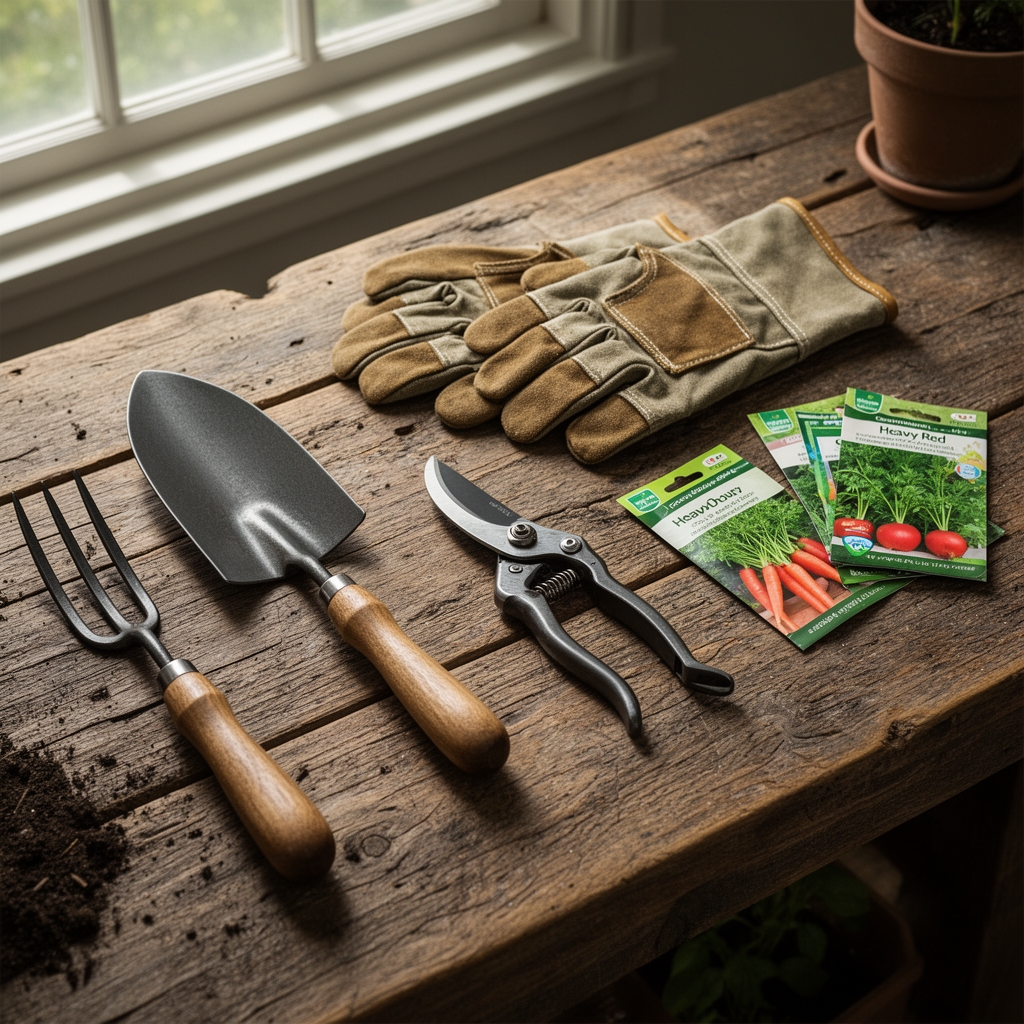
Begin with seeds of red carrot varieties such as 'Atomic Red' or 'Dragon'. Select soil amendments based on initial testing. For pH adjustment, apply elemental sulfur at 0.5 pounds per 100 square feet if soil exceeds 7.0. Dolomitic limestone raises pH in acidic conditions at 5 pounds per 100 square feet.
Fertilizer selection centers on low-nitrogen formulations. Use 4-4-4 organic meal applied at 2 pounds per 100 square feet two weeks before sowing. Excessive nitrogen promotes foliar growth at the expense of root development and triggers hairy root syndrome. Incorporate aged compost at a 1-inch layer to improve cation exchange capacity and moisture retention without adding excess nitrogen.
Additional materials include coarse sand or perlite for clay soil amendment, applied at 2 inches tilled to 12-inch depth. Row covers protect emerging seedlings from carrot rust fly. Obtain granular mycorrhizal inoculant containing Glomus species at 1 tablespoon per 10 feet of row.
Timing
Red carrots tolerate light frost but germinate poorly in cold soil. In Zones 3-5, sow seeds after soil reaches 50°F in late April through May. In Zones 6-8, plant in early March for spring harvest or late July for fall crops. Zones 9-10 support winter planting from October through January.
Calculate planting dates by counting backward from first fall frost. Red carrots require 70-80 days to maturity. For fall harvest in Zone 6 with October 15 frost date, sow by July 27 to allow full root development before cold weather intensifies lycopene concentration.
Soil temperature dictates germination success more than air temperature. Seeds sprout in 14-21 days at 50°F but emerge in 7-10 days at 68-77°F. Use a soil thermometer at 2-inch depth taken at midmorning for accurate readings.
Phases
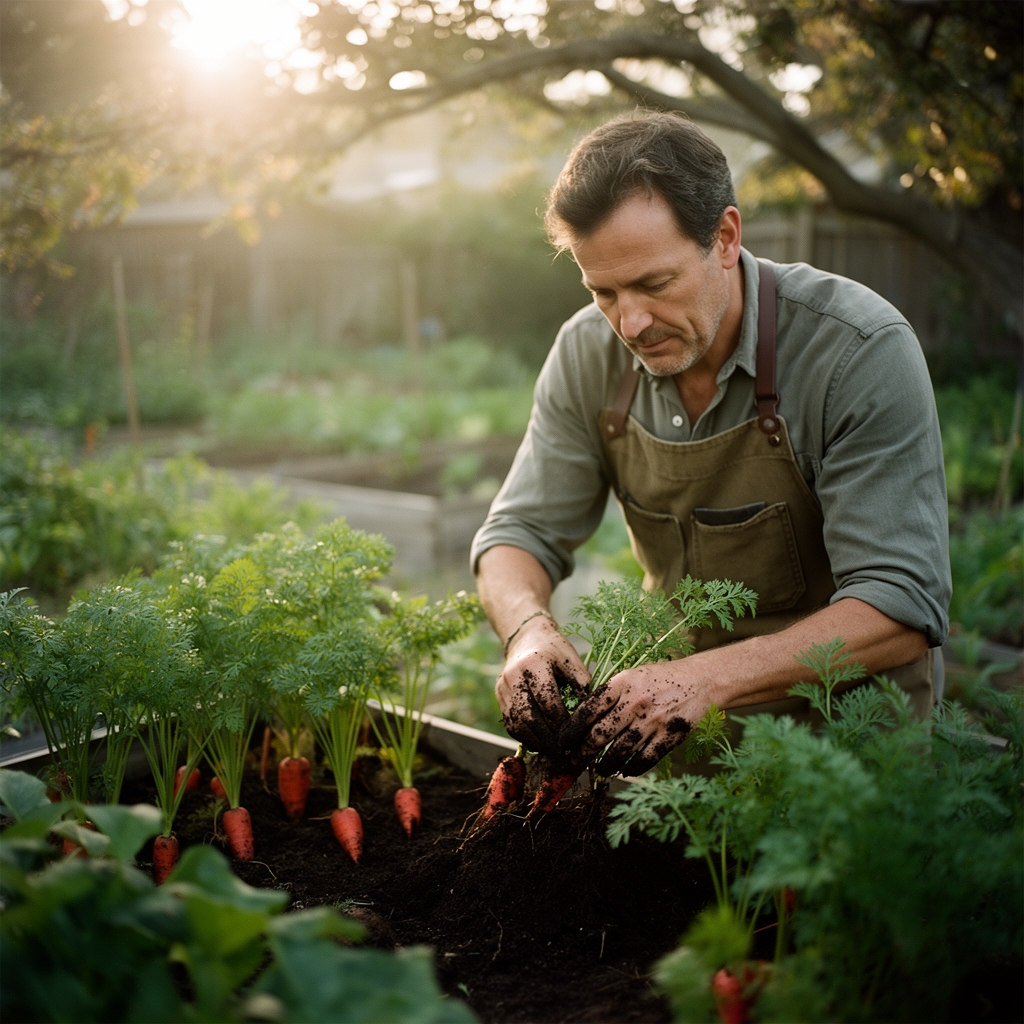
Sowing: Create furrows 0.25 inches deep with row spacing of 12-18 inches. Red carrot seeds measure approximately 1 millimeter and require shallow planting to access light for germination triggers. Sow seeds 1 inch apart. Mix seeds with dry sand at 1:4 ratio for easier distribution and visibility against dark soil.
Water furrows before seed placement to prevent displacement. Cover with fine vermiculite rather than soil to prevent crusting. Apply mycorrhizal inoculant directly in furrows before seeding to establish symbiotic relationships early.
Pro-Tip: Soak seeds in compost tea for 12 hours before planting to introduce beneficial bacteria to the seed coat and accelerate germination by 2-3 days.
Transplanting: Skip this phase entirely. Red carrots develop taproots from radicle emergence and suffer severe transplant shock. Any disturbance to the primary root causes forking, twisting, or growth cessation.
Establishing: Thin seedlings when they reach 2 inches tall, typically 3 weeks after germination. Remove plants to achieve 2-3 inch spacing. Use scissors rather than pulling to avoid disturbing neighboring root systems.
Side-dress with 2-2-4 organic fertilizer at 0.5 pounds per 100 square feet when tops reach 6 inches. This phosphorus and potassium boost supports root elongation and color development without promoting excessive foliar growth.
Pro-Tip: Maintain consistent soil moisture during root expansion phase (weeks 4-8). Fluctuations between wet and dry conditions cause growth rings and cracking that reduce storage quality.
Troubleshooting
Symptom: Forked or twisted roots with multiple tips.
Solution: Soil compaction or rocks obstruct downward growth. Till beds to 12-inch depth and sift out stones larger than 0.25 inches. Avoid fresh manure which creates nitrogen pockets.
Symptom: Hairy roots with excessive lateral root growth.
Solution: Nitrogen excess promotes root hair proliferation. Reduce fertilizer applications and avoid high-nitrogen amendments like blood meal. Test soil to confirm nitrate levels below 30 ppm.
Symptom: Green shoulders appearing at soil line.
Solution: Light exposure triggers chlorophyll production and bitter flavor. Hill soil 1 inch over root crowns when shoulders emerge. Mulch with straw to block light penetration.
Symptom: Wilting foliage with orange larvae in roots.
Solution: Carrot rust fly maggots tunnel through roots. Apply floating row covers immediately after planting and seal edges. Rotate planting location 300 feet from previous year's carrot family crops.
Symptom: Pale pink color rather than deep red.
Solution: Temperature during root development affects lycopene synthesis. Plant for harvest during cooler weather below 75°F. Hot weather reduces color intensity significantly.
Maintenance
Apply 1 inch of water per week through drip irrigation or soaker hoses. Water deeply once weekly rather than shallow daily watering to encourage downward root growth. Monitor soil moisture at 4-inch depth; maintain consistent dampness without saturation.
Weed by hand-pulling when soil is moist to minimize root disturbance. Cultivate no deeper than 1 inch to avoid carrot root damage. Apply 2-inch straw mulch after thinning to suppress weeds and moderate soil temperature.
Feed every 3 weeks with liquid kelp fertilizer diluted to half-strength (0-0-1 analysis). Kelp provides trace minerals including boron at 1 ppm which prevents cavity spot in root tissue.
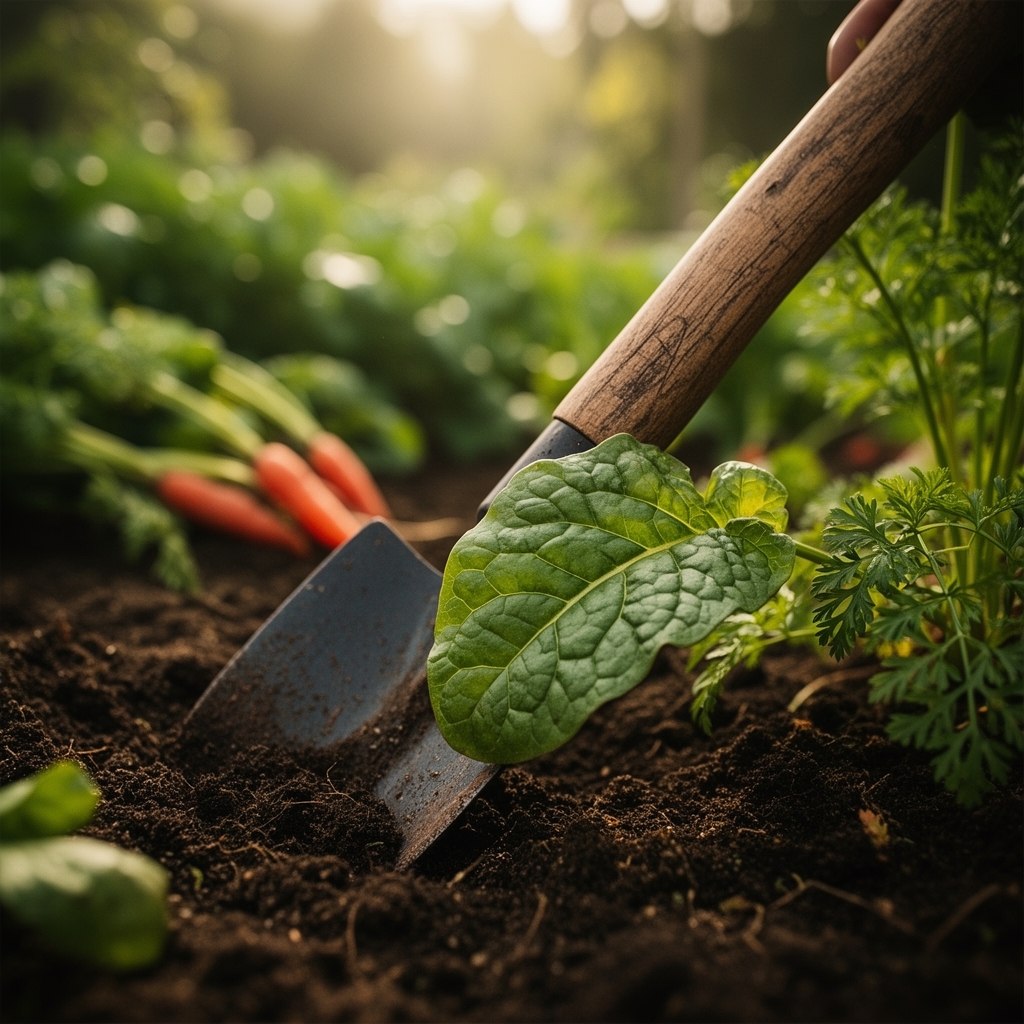
Harvest when roots reach 0.75-1 inch diameter at shoulders, typically 75 days after sowing. Larger roots become woody and lose sweetness. Loosen soil with garden fork 4 inches from row before pulling to prevent breakage.
FAQ
How deep should soil preparation go for red carrots?
Prepare soil to 12-inch depth minimum. Red carrot roots grow 8-10 inches long and require friable soil throughout their growth zone for straight development.
Can red carrots grow in containers?
Yes. Select containers 12 inches deep with drainage holes. Use 'Thumbelina' or other short-rooted varieties in 10-inch-deep containers. Standard red varieties require depth for full development.
Do red carrots taste different than orange?
Red carrots contain lycopene instead of beta-carotene, creating slightly sweeter flavor with earthy undertones. Sugar content measures 6-8% compared to 5-6% in orange types.
Why are my red carrot seeds not germinating?
Soil temperature below 50°F prevents germination. Crusted soil surface blocks emergence. Keep soil moist but not waterlogged for the 7-21 day germination period. Consider pre-sprouting seeds indoors on damp paper towels.
When should I harvest red carrots for best color?
Harvest after exposure to light frost (28-32°F) which concentrates sugars and intensifies lycopene production. Color peaks 70-80 days after sowing when roots reach mature size before becoming woody.