8 Simple Ways How to Layout Kitchen Gardens
The smell of sun-warmed basil leaves and the snap of a fresh lettuce stalk signal success. Learning how to layout kitchen gardens transforms unused yard space into a productive food system that yields herbs, greens, and vegetables within arm's reach of the kitchen door. Proper spatial planning separates heavy feeders from nitrogen fixers, accounts for sunlight angles across morning and afternoon, and establishes logical workflows from harvest to sink.
Materials
Soil amendment begins with understanding existing pH and nutrient profiles. Test kits reveal whether your native soil sits at the ideal 6.0-6.8 pH range for most edibles. Sulfur lowers pH in alkaline conditions; dolomitic lime raises it in acidic environments.
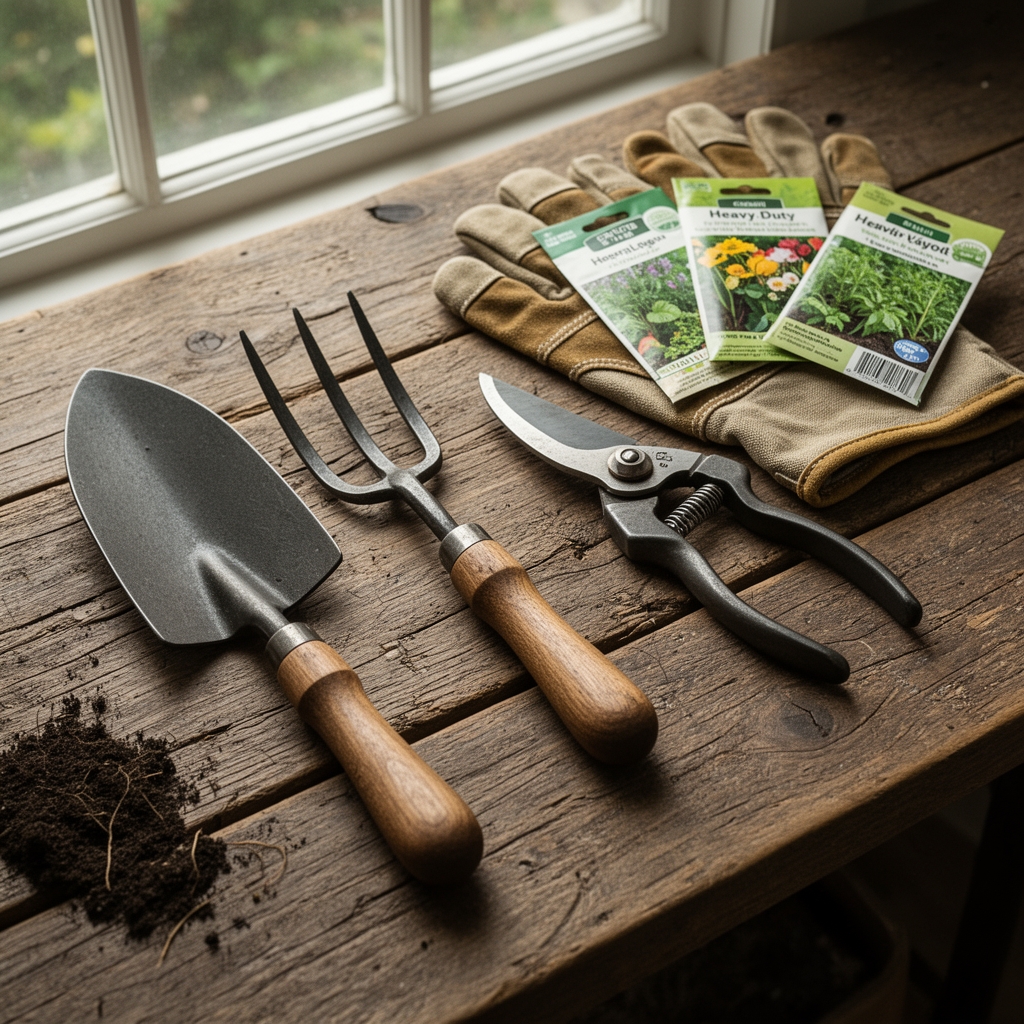
Balanced organic fertilizers rated 4-4-4 or 5-5-5 provide equal parts nitrogen, phosphorus, and potassium. Alfalfa meal (3-1-2) accelerates vegetative growth in greens. Bone meal (3-15-0) supports root crops like carrots and beets. Kelp meal (1-0.5-2.5) delivers trace minerals and growth hormones. Compost aged six months or longer increases cation exchange capacity, allowing soil particles to hold and release nutrients efficiently.
Physical structures include cedar or redwood raised beds resistant to decay, drip irrigation lines on timers, and galvanized wire mesh with 0.5-inch openings to exclude voles. Landscape fabric suppresses weeds without blocking water infiltration. Bamboo stakes, jute twine, and metal trellises support vertical crops like pole beans and indeterminate tomatoes.
Timing
Hardiness zones dictate planting windows. Zone 5 gardeners sow cold-hardy kale and spinach two weeks before the last spring frost, typically mid-April. Zone 8 gardeners plant these same crops in October for winter harvest. Warm-season crops like peppers and eggplants require soil temperatures above 65°F and air temperatures consistently above 50°F at night.
Last frost dates serve as anchor points. Count backward 6-8 weeks to start tomato and pepper transplants indoors under full-spectrum LEDs. Count forward 2 weeks after last frost to direct-sow squash and cucumber seeds. Fall planting works backward from the first frost date, adding crop maturity days plus a "fall factor" of 14 days to account for shorter daylight.
Succession planting staggers harvests. Sow lettuce seeds every 10 days from early spring through late spring, then resume in late summer. Radishes mature in 25 days; plant a new row each week for continuous supply.
Phases
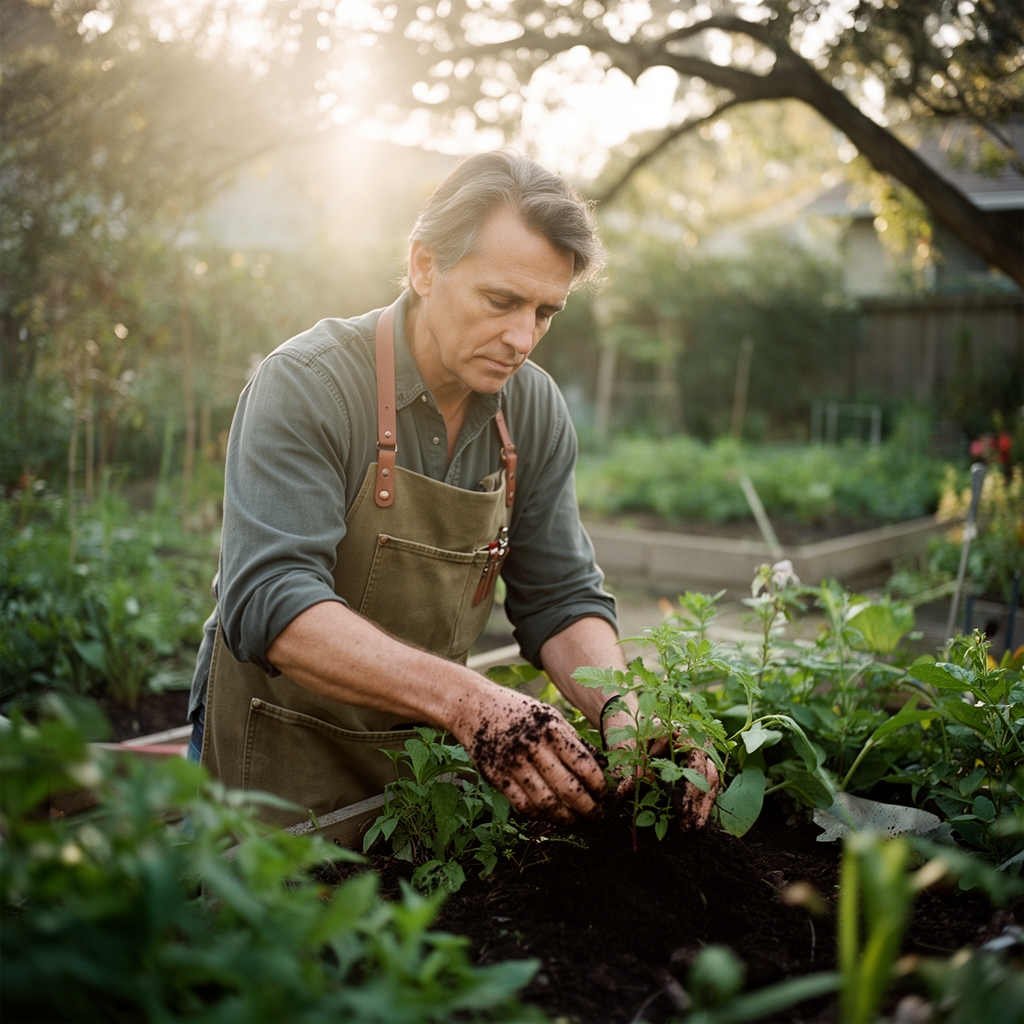
Sowing: Direct-seed carrots, parsnips, and dill because they resent root disturbance. Plant seeds at twice their diameter in depth. Carrot seeds require light to germinate; press them into the surface and cover with fine vermiculite. Beans and peas inoculated with Rhizobium bacteria establish nitrogen-fixing nodules on roots within 14 days.
Pro-Tip: Pre-sprout parsley seeds on damp paper towels for 7 days before sowing. Germination rates jump from 40% to 85%.
Transplanting: Harden off seedlings by exposing them to outdoor conditions for 1 hour on day one, increasing by 1 hour daily over 7 days. Dig holes twice the root ball width. Bury tomato stems up to the first true leaves; adventitious roots form along buried stem sections, increasing water and nutrient uptake.
Pro-Tip: Prune tomato transplants to a single leader at a 45-degree angle, 0.25 inches above a leaf node. This concentrates auxin distribution and reduces disease entry points.
Establishing: Mycorrhizal fungi colonize root hairs within 2-3 weeks of inoculation. These symbiotic networks extend effective root reach by 10-100 times, accessing phosphorus and micronutrients in exchange for plant sugars. Water deeply to 8-10 inches once per week rather than shallow daily watering. Mulch with 2-3 inches of straw or shredded leaves to moderate soil temperature and retain moisture.
Pro-Tip: Install drip tape 2 inches below the soil surface for sub-irrigation. This reduces foliar disease by 60% compared to overhead watering.
Troubleshooting
Symptom: Yellowing lower leaves with green veins.
Solution: Iron chlorosis. Foliar spray with chelated iron at 1 tablespoon per gallon. Amend soil with elemental sulfur to lower pH and increase iron availability.
Symptom: Blossom end rot on tomatoes and peppers.
Solution: Calcium deficiency triggered by inconsistent watering. Apply calcium chloride foliar spray at 2-4 tablespoons per gallon. Maintain even soil moisture.
Symptom: White powdery coating on squash and cucumber leaves.
Solution: Powdery mildew. Spray with 1 tablespoon baking soda plus 1 tablespoon horticultural oil per gallon of water. Increase air circulation; space plants 24 inches apart.
Symptom: Small green aphids clustered on new growth.
Solution: Spray with insecticidal soap (2% potassium salts of fatty acids) at 5 tablespoons per gallon. Release ladybird beetles at 1,500 per 500 square feet.
Symptom: Stunted growth with purple-tinged leaves.
Solution: Phosphorus deficiency. Soil temperatures below 55°F inhibit uptake. Wait until soil warms or apply liquid fish fertilizer (5-1-1) at label rates.
Maintenance
Apply 1 inch of water per week, measured with a rain gauge. Sandy soils require two 0.5-inch applications to prevent leaching. Clay soils accept water slowly; deliver the inch over three sessions to avoid runoff.
Side-dress heavy feeders like tomatoes and brassicas with compost at 2 pounds per plant every 4 weeks. Mulch decomposes; refresh to maintain a 3-inch layer. Prune indeterminate tomatoes weekly, removing suckers below the first flower cluster. Harvest basil by cutting stems just above a leaf node pair; this promotes bushier growth and delays flowering.
FAQ
How much space does a kitchen garden need?
A 4×8-foot raised bed yields 20-30 pounds of mixed vegetables per season with intensive planting.
Can I grow kitchen gardens in partial shade?
Leafy greens and herbs tolerate 4-6 hours of sun. Fruiting crops like tomatoes need 8+ hours.
Should beds run north-south or east-west?
North-south orientation distributes sunlight evenly across both sides. Tall crops on the north edge prevent shading.
What is the best soil depth?
Root crops require 12 inches. Leafy greens and herbs thrive in 6-8 inches. Tomatoes prefer 18 inches.
How do I rotate crops?
Follow heavy feeders (tomatoes) with nitrogen fixers (beans), then light feeders (carrots), then soil builders (cover crops). Complete the cycle over four seasons.