8 Simple Ways How to Build Rooftop Gardens
Urban rooftops transform into productive ecosystems when you understand load-bearing capacity and growing medium composition. Learning how to build rooftop gardens begins with structural assessment: most residential buildings support 25 to 100 pounds per square foot, while intensive green roofs with soil depth over 12 inches may require 150 pounds per square foot or more. Before hauling materials upward, consult a structural engineer to calculate dead load plus live load plus saturation weight.
Materials
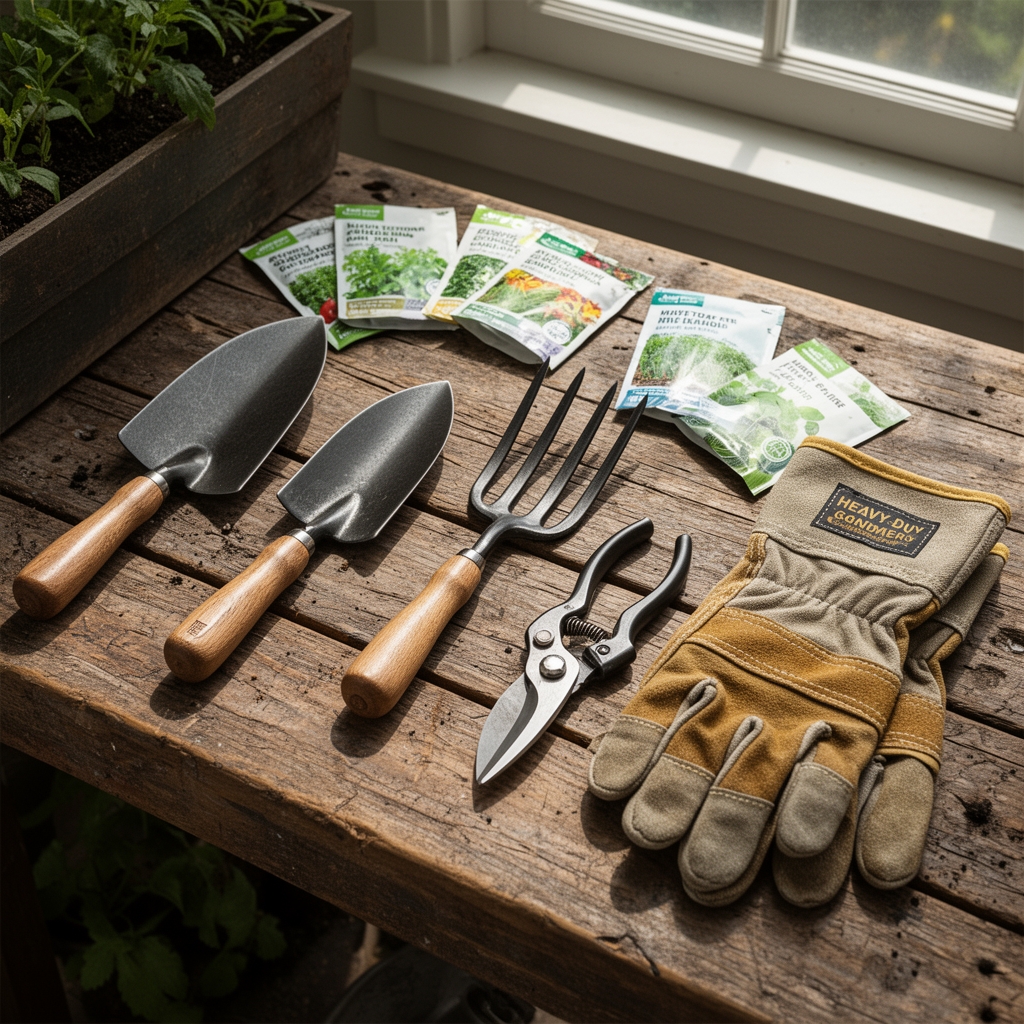
Substrate selection dictates plant performance and drainage rates. Standard green-roof media blends expanded shale, compost, and sand at ratios that maintain 30-40% porosity when saturated. For edible crops, incorporate a slow-release organic fertilizer rated 4-4-4 or 5-5-5 to sustain nitrogen availability over 90 days. Cation exchange capacity should exceed 10 meq/100g to buffer pH and retain calcium, magnesium, and potassium ions.
Root barriers and waterproof membranes form the foundation layer. Install a thermoplastic polyolefin or ethylene propylene diene monomer membrane rated for UV exposure and root penetration resistance. Above this, lay a drainage mat or 2-inch layer of lightweight aggregate to prevent water pooling. Geotextile filter fabric separates drainage from growing medium, preventing fine particles from clogging outflow paths.
Containers and modular trays reduce structural load. High-density polyethylene planters 12 to 18 inches deep accommodate root vegetables and dwarf fruit cultivars. For pH-sensitive species like blueberries (Vaccinium spp.), prepare acidic media at pH 4.5 to 5.5 using sulfur amendments or pine bark fines. Neutral-pH blends (6.0 to 7.0) suit tomatoes, peppers, and brassicas.
Wind barriers and trellises stabilize tall crops. Galvanized steel or powder-coated aluminum frames withstand corrosive rooftop conditions. Anchor supports to parapets or structural beams rather than relying on substrate mass alone.
Timing
Hardiness zone and microclimate define planting windows. Rooftops experience temperature extremes 5 to 10 degrees Fahrenheit above ground level due to radiant heat and wind exposure. In USDA Zone 7, last spring frost averages April 15; rooftop gardeners should delay transplanting warm-season crops until April 25 to May 1. Zone 5 gardeners wait until May 20, while Zone 9 permits year-round cultivation of cool-season greens.
Wind desiccation accelerates in late winter. Protect cold-tolerant species like spinach and kale with row covers or cloches until daytime temperatures stabilize above 50 degrees Fahrenheit. Monitor evapotranspiration rates: rooftop plantings lose 30-50% more moisture than ground-level beds during summer.
Phases
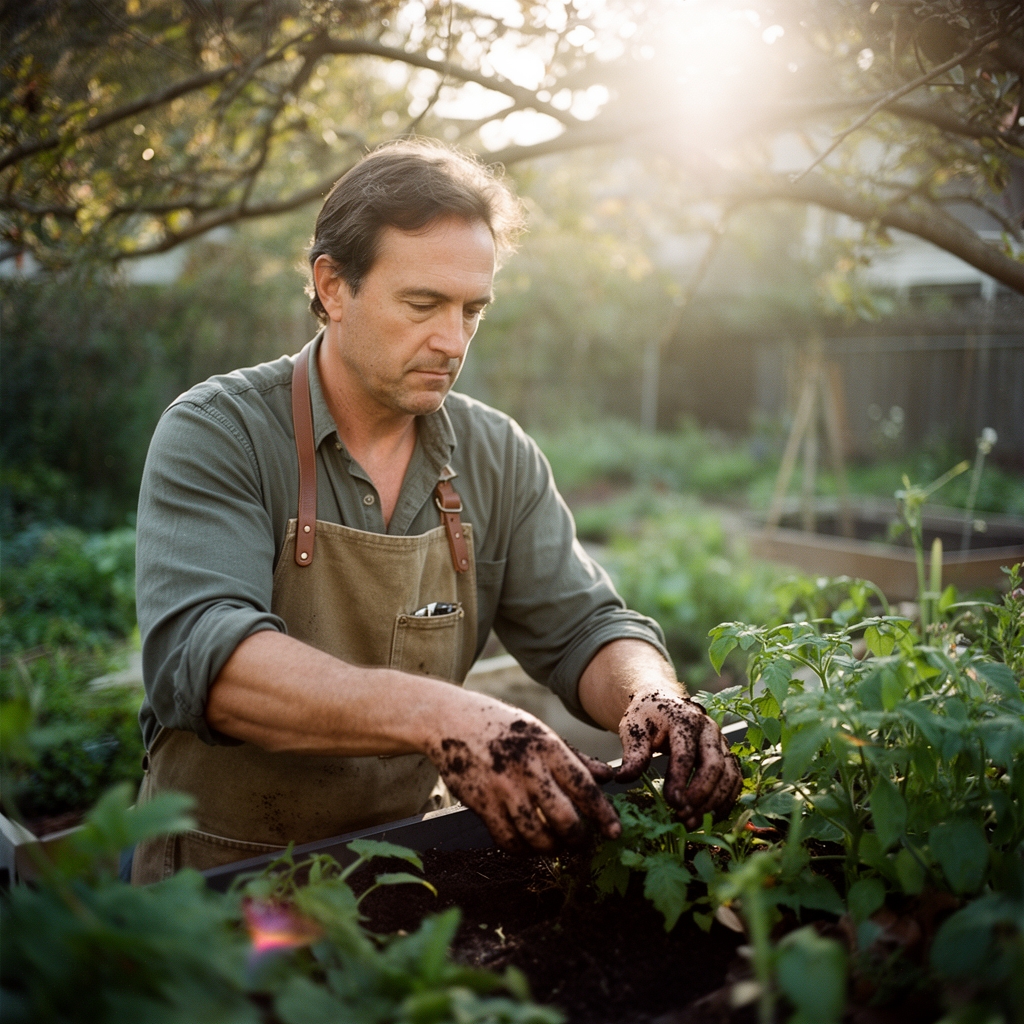
Sowing: Direct-seed lettuce, radishes, and carrots when substrate temperature reaches 45 degrees Fahrenheit for cool-season crops or 65 degrees Fahrenheit for beans and squash. Sow at twice the recommended depth to counteract rapid surface drying. Mycorrhizal inoculant at seeding increases phosphorus uptake by 40% in low-organic-matter substrates.
Pro-Tip: Apply Rhizophagus irregularis spores at 100 propagules per seed hole to colonize roots within 14 days.
Transplanting: Harden off greenhouse seedlings over 7 days by exposing them to incremental wind and sun. Transplant in late afternoon or overcast conditions to minimize transplant shock. Set tomato seedlings 3 inches deeper than nursery pots to encourage adventitious root formation along buried stems. Auxin distribution shifts downward, triggering lateral root proliferation.
Pro-Tip: Prune lower leaves at a 45-degree angle to the main stem using sterile shears, leaving 1/4-inch stubs to reduce pathogen entry.
Establishing: Water daily for the first 14 days, then shift to deep irrigation every 2 to 3 days as roots penetrate substrate. Mulch with 1 inch of shredded hardwood bark to moderate substrate temperature and suppress annual weeds. Monitor electrical conductivity (EC) weekly; readings above 2.0 mS/cm indicate salt accumulation from fertilizer or poor drainage.
Pro-Tip: Leach salts by applying 1.5 times the container volume of water, allowing runoff to carry excess ions away.
Troubleshooting
Symptom: Interveinal chlorosis on new leaves.
Solution: Iron deficiency caused by high substrate pH. Drench with chelated iron (Fe-EDDHA) at 1 ounce per gallon, applied at 1 pint per square foot.
Symptom: Purple undersides on tomato and pepper leaves.
Solution: Phosphorus immobility below 60 degrees Fahrenheit substrate temperature. Apply foliar spray of monoammonium phosphate (11-52-0) at 1 tablespoon per gallon every 5 days until leaves green.
Symptom: Wilting despite moist substrate.
Solution: Root rot from Pythium or Phytophthora species. Improve drainage by mixing 20% perlite into upper 4 inches. Drench with Bacillus subtilis biocontrol at label rates.
Symptom: Stippled leaves with fine webbing.
Solution: Two-spotted spider mites (Tetranychus urticae) thrive in hot, dry rooftop conditions. Release Phytoseiulus persimilis predatory mites at 2 per square foot every 2 weeks.
Maintenance
Irrigate when substrate moisture drops below 40% by volume. Install tensiometers at 6-inch depth; readings above 20 centibars trigger irrigation. Apply 1 inch of water (0.6 gallons per square foot) per session to wet the root zone thoroughly without runoff.
Fertilize every 21 days during active growth with fish emulsion (5-1-1) at 2 tablespoons per gallon or kelp extract for trace minerals. Prune determinate tomatoes to 4 main stems by removing suckers weekly. Harvest leafy greens when outer leaves reach 4 to 6 inches, cutting 1 inch above the crown to permit regrowth.
FAQ
How much weight can a typical residential roof support?
Most flat roofs handle 40 to 60 pounds per square foot for non-structural loads. Consult local building codes and hire a structural engineer for loads above 50 pounds per square foot.
What depth of soil do vegetables need on a rooftop?
Leafy greens require 6 to 8 inches, root crops need 12 inches, and tomatoes perform best with 18 inches of substrate depth.
How often should rooftop gardens be watered?
Daily in temperatures above 85 degrees Fahrenheit, every 2 to 3 days in moderate weather. Adjust based on tensiometer readings and rainfall.
Do rooftop gardens need special drainage systems?
Yes. Install a drainage layer, filter fabric, and ensure roof drains remain clear. Slope substrate 1/4 inch per foot toward drains to prevent ponding.
Can fruit trees grow in rooftop containers?
Dwarf cultivars on M27 or M9 rootstocks thrive in 20-gallon containers with 18 to 24 inches of substrate depth. Expect 10 to 20 pounds of fruit per tree annually.