8 Secrets for How to Grow Scented Herbs
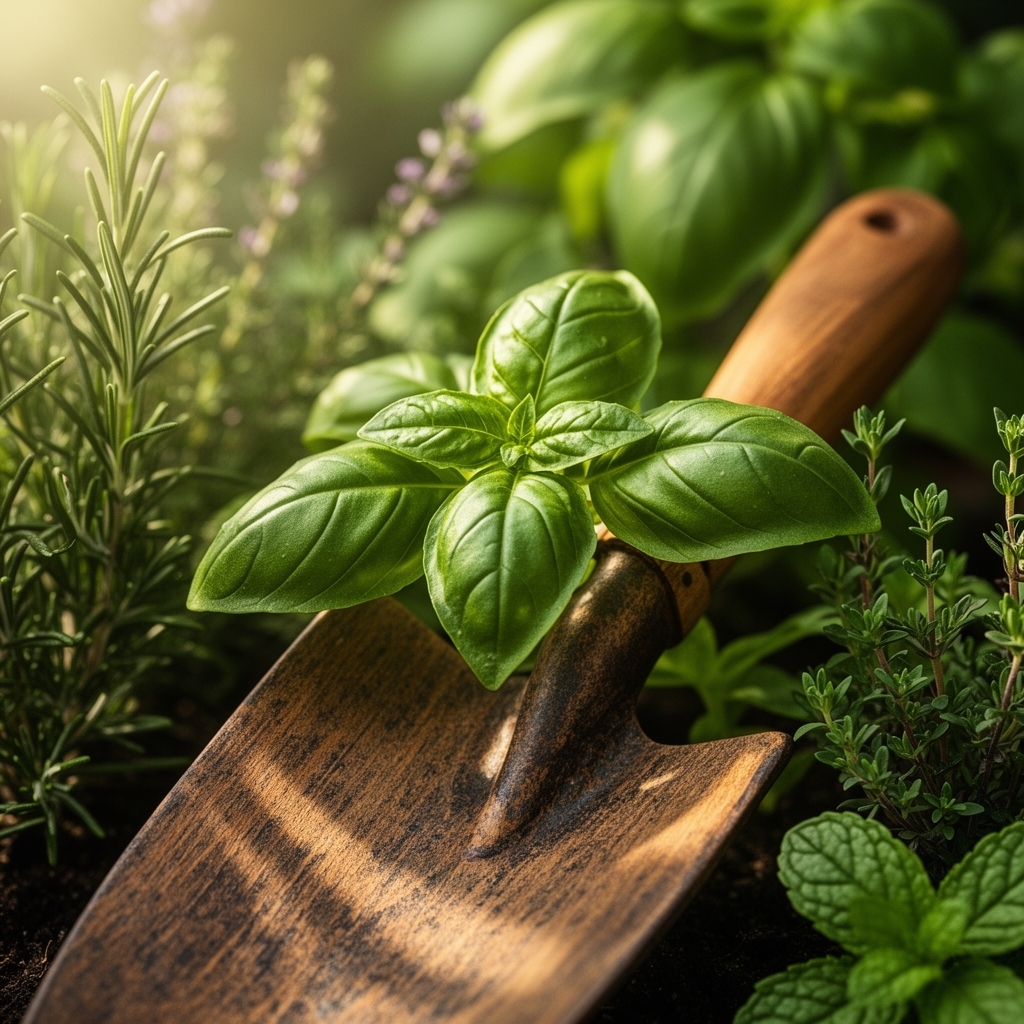
The first brush of your fingertips across a fresh basil leaf releases a cascade of volatile oils that can transform a kitchen. Understanding how to grow scented herbs begins with recognizing that aroma intensity is a stress response modulated by soil chemistry, water tension, and ultraviolet exposure. Commercial herb growers in Provence have documented 30% higher essential oil concentrations in plants cultivated under controlled nutrient ratios compared to generic garden-center stock.
Materials
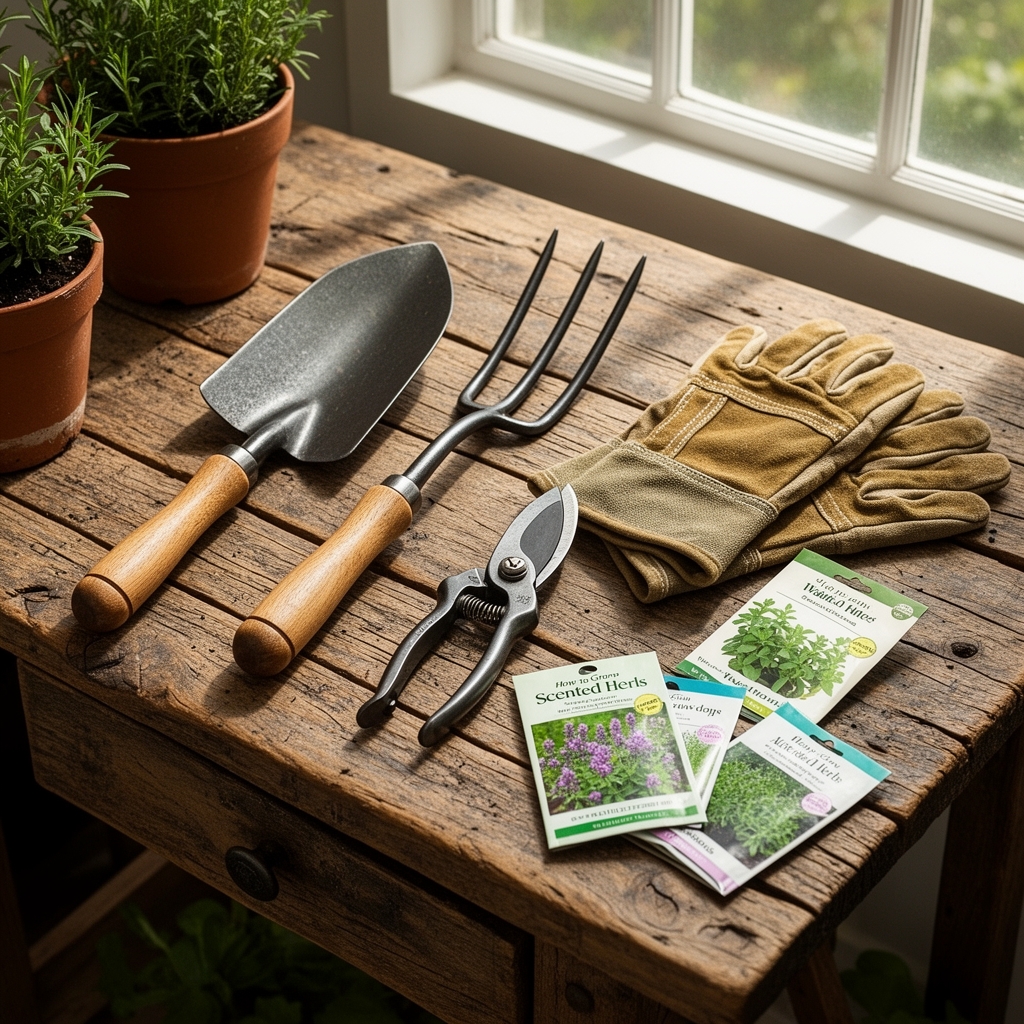
Scented herbs demand a pH range of 6.0 to 7.5 for optimal nutrient uptake. Mediterranean natives like rosemary and thyme prefer the alkaline end, while mint tolerates slight acidity down to 5.8. A balanced 4-4-4 organic fertilizer supplies sufficient nitrogen for foliage without triggering excessive vegetative growth that dilutes aromatic compounds. Blood meal or feather meal can supplement nitrogen, but avoid exceeding 6% by weight as excess nitrogen promotes lush, flavor-weak leaves.
Phosphorus accelerates root establishment. Bone meal or rock phosphate at 3 pounds per 100 square feet encourages mycorrhizal colonization, which improves phosphorus availability by up to 250%. Potassium sulfate (0-0-50) supports oil synthesis and stress tolerance. Apply at 1 ounce per plant monthly during active growth. Ensure your growing medium has a cation exchange capacity above 10 meq/100g for stable nutrient retention.
Containers must be terracotta or fabric pots with drainage holes exceeding 0.5 inches in diameter. Plastic retains moisture and elevates root-zone temperatures, reducing scent production. Potting mix should combine 40% coconut coir, 30% perlite, 20% compost, and 10% worm castings by volume.
Timing
Hardiness zones 7 through 10 permit year-round cultivation of perennial scented herbs. Zones 3 through 6 require winter protection or annual replanting. Sow basil, cilantro, and dill after the last frost date when soil temperature stabilizes at 60°F. Perennials like lavender and sage transplant best in early spring, 4 to 6 weeks before the last frost, or in fall 8 weeks before the first hard freeze.
Photoperiod influences volatile oil composition. Short-day conditions (fewer than 12 hours of light) trigger flowering in basil, reducing leaf quality. Long-day exposure increases thymol content in thyme by 18%. Track your latitude's day-length progression to time harvests at peak aromatic intensity.
Phases
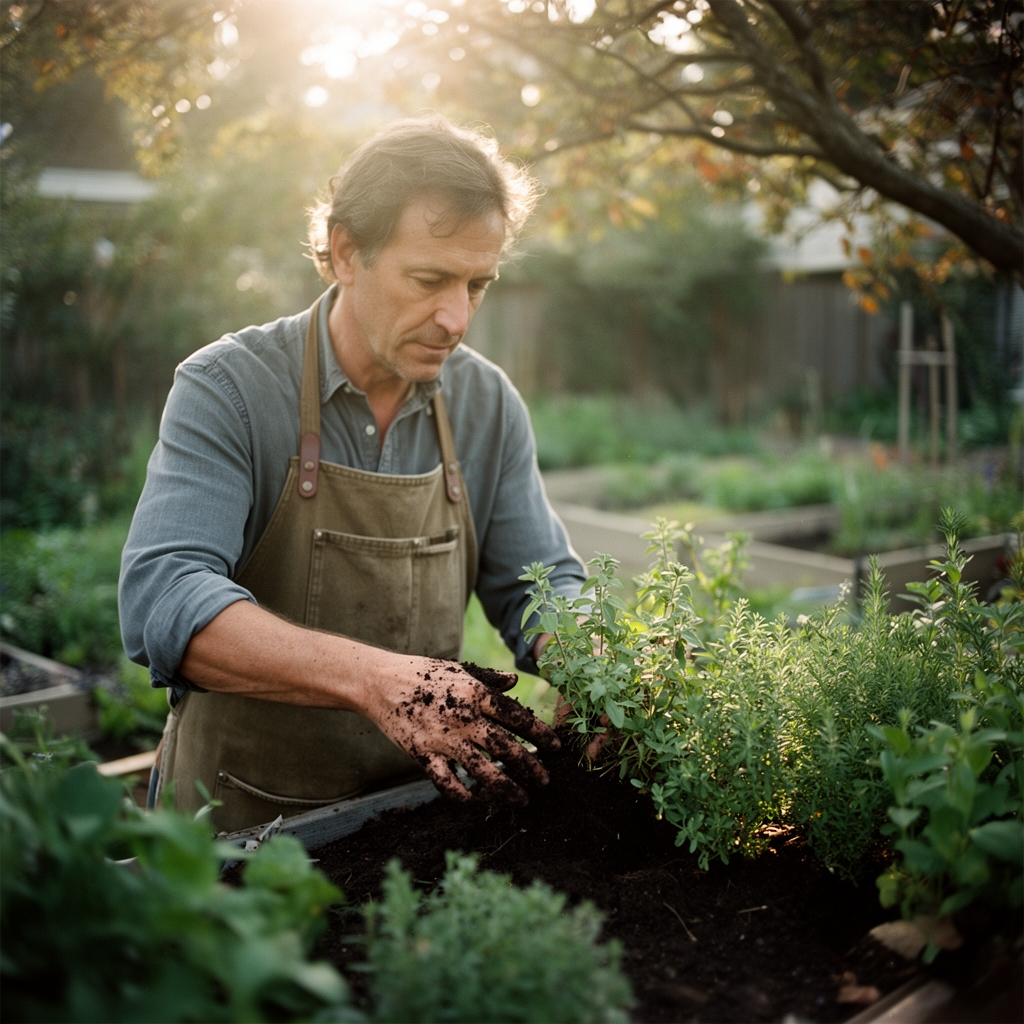
Sowing: Direct-seed dill, cilantro, and chervil 0.25 inches deep in rows spaced 8 inches apart. These species resent root disturbance. Basil and parsley germinate indoors under 70°F bottom heat with 75% humidity. Surface-sow thyme and oregano since they require light for germination. Maintain consistent 65°F air temperature. Germination spans 7 to 21 days depending on species.
Pro-Tip: Inoculate seeds with Trichoderma harzianum at 10^6 CFU per gram of seed. This fungal agent reduces damping-off by 80% and accelerates radicle emergence by 2 days.
Transplanting: Move seedlings outdoors when they develop two sets of true leaves and nighttime temperatures remain above 50°F. Harden off for 7 days by reducing water by 30% and exposing plants to increasing wind and sun. Dig planting holes twice the root ball width. Position the crown level with the soil surface to prevent stem rot.
Pro-Tip: Prune the apical meristem at a 45-degree angle 2 weeks post-transplant. This cut redirects auxin distribution laterally, producing 40% more lateral shoots and denser foliage.
Establishing: Water deeply every 3 days for the first 3 weeks to encourage roots to penetrate 12 inches. Reduce frequency to once per week once new growth appears. Mulch with 1 inch of straw to moderate soil temperature and suppress weeds. Avoid bark mulch, which leaches tannins that inhibit growth.
Pro-Tip: Foliar-spray diluted seaweed extract (1:500 ratio) biweekly during establishment. Cytokinins in kelp increase chlorophyll density by 22% and enhance drought resilience.
Troubleshooting
Symptom: Yellowing lower leaves with green veins.
Solution: Iron deficiency induced by high pH. Chelated iron at 2 ounces per gallon corrects this within 10 days. Reduce irrigation pH to 6.2 using citric acid.
Symptom: White powdery coating on foliage.
Solution: Powdery mildew thrives in humidity above 70% with poor air circulation. Prune interior stems to increase airflow. Spray potassium bicarbonate solution (1 tablespoon per gallon) weekly.
Symptom: Stunted growth and bronze leaf edges.
Solution: Spider mites proliferate in hot, dry conditions. Hose foliage with water at dawn to dislodge pests. Release Phytoseiulus persimilis predatory mites at 10 per square foot.
Symptom: Sudden wilting despite moist soil.
Solution: Fusarium wilt blocks vascular tissue. Remove affected plants immediately. Solarize soil by covering with clear plastic for 4 weeks during peak summer heat to raise soil temperature to 140°F.
Maintenance
Provide 1 inch of water per week through drip irrigation or soaker hoses. Overhead watering promotes fungal disease and leaches aromatic oils from foliage. Monitor soil moisture at 4 inches depth; irrigate when it feels dry to the touch.
Prune herbs to maintain 6 inches of height. Remove flower buds immediately except for the final harvest. Flowering redirects energy from oil production to seed development, reducing scent by up to 35%. Harvest in mid-morning after dew evaporates but before temperatures exceed 85°F. Cut stems 2 inches above woody growth to encourage regeneration.
FAQ
When should I harvest scented herbs for maximum aroma?
Harvest just before flowering when essential oil concentration peaks. Cut in mid-morning after dew dries.
Can I grow scented herbs indoors?
Yes, if you provide 14 hours of full-spectrum light at 400 to 600 foot-candles and maintain 40% humidity.
Why do my herbs smell weak?
Excess nitrogen, insufficient sunlight, or overwatering dilute essential oils. Reduce fertilizer and increase light exposure to 8 hours minimum.
How do I preserve fresh herb aroma?
Dry in darkness at 95°F with airflow below 2 mph. Freeze whole stems in oil to lock in volatile compounds.
Do mycorrhizal fungi improve scent?
Yes. Mycorrhizae increase phosphorus uptake by 250%, which supports terpene synthesis responsible for herb fragrance.