8 Best Wealth Corner Plants for Prosperity
The scent of damp, anaerobic peat moss signals a failure in drainage that no serious cultivator can ignore. Success begins with the turgor pressure of a rigid cell wall; a leaf that stands firm against gravity is the primary indicator of a plant capable of thriving in a dedicated space. Selecting the best wealth corner plants requires more than aesthetic preference. It demands an understanding of how light intensity and humidity levels interact within the southeast quadrant of a structure. This specific placement often dictates a plant's metabolic rate and its ability to process nutrients effectively. To achieve a specimen that reflects prosperity, the grower must master the rhizosphere. This involves maintaining a precise balance of moisture and aeration to prevent root rot while ensuring the vascular system remains fully hydrated. A healthy plant is a biological machine. It converts light energy into chemical energy through photosynthesis with maximum efficiency. When these botanical systems operate at their peak, the resulting growth is dense and structurally sound.
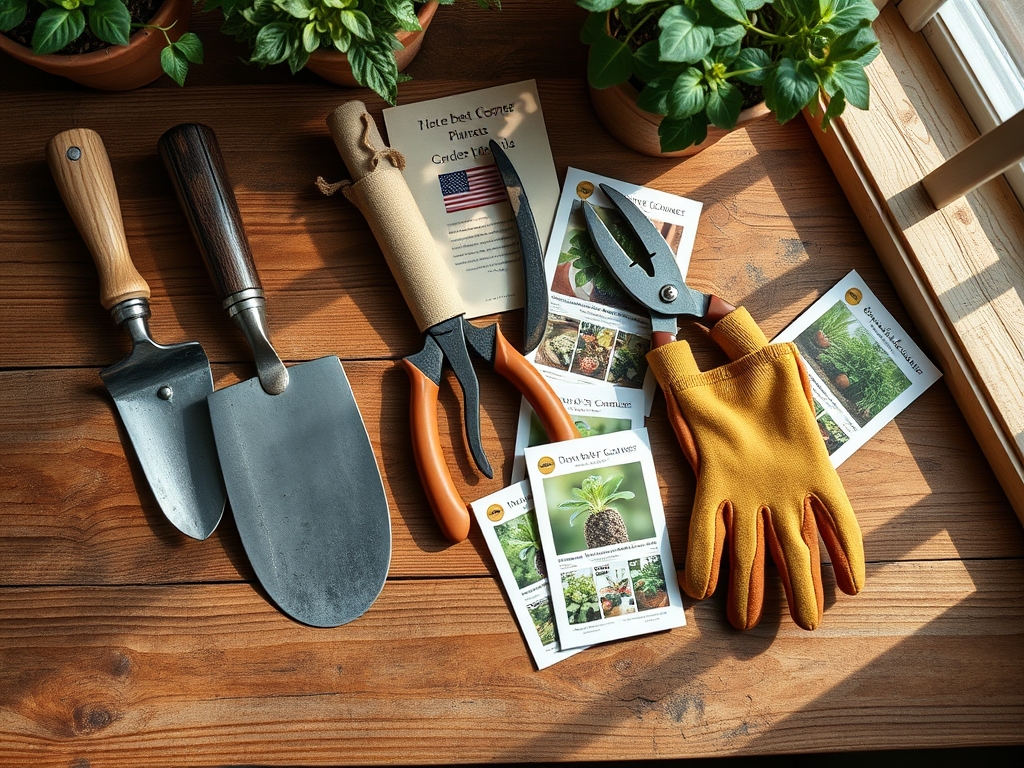
Materials:
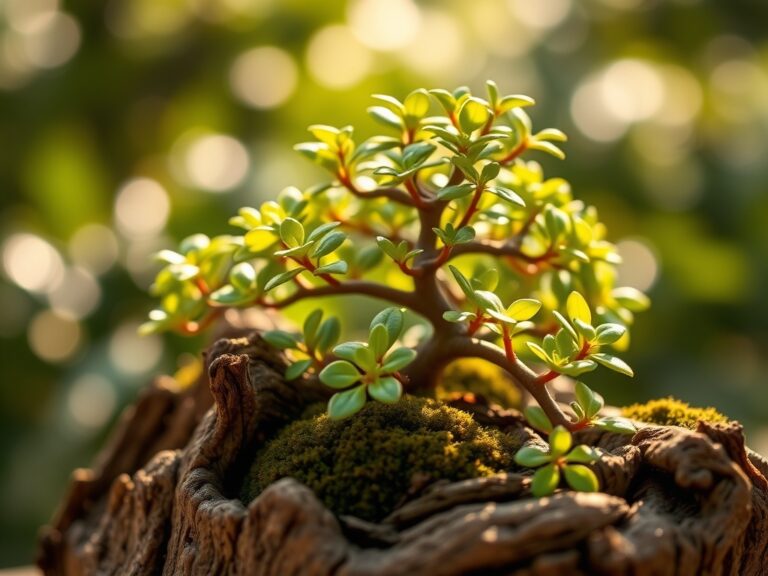
The substrate is the foundation of plant health. For most wealth corner species, such as *Crassula ovata* or *Pachira aquatica*, a **friable loam** with high porosity is mandatory. The soil must facilitate a high **Cation Exchange Capacity (CEC)** to ensure minerals like potassium and magnesium are available for root uptake.
Specific requirements include:
- Soil pH: Maintain a range between 6.0 and 7.2. Use sulfur to lower pH or calcitic lime to raise it.
- NPK Ratio (Vegetative): Use a 3-1-2 ratio (e.g., 9-3-6) for foliage-heavy plants like the Money Tree.
- NPK Ratio (Succulents): Use a 1-2-2 ratio to prioritize root development and water storage over rapid, leggy growth.
- Substrate Composition: A mix of 40% peat or coco coir, 30% perlite, and 30% composted bark provides the necessary air-filled porosity.
Timing:
Most indoor wealth corner plants originate from tropical or subtropical climates, typically thriving in Hardiness Zones 10 through 12. If growing outdoors, wait until the minimum night temperature remains consistently above 55 degrees Fahrenheit. The biological clock of these plants is governed by the photoperiod. As daylight hours increase in the spring, the plant moves from a semi-dormant state into a vigorous vegetative stage. This is the critical window for fertilization. Avoid heavy pruning or transplanting during the late autumn senescence, as the plant's metabolic rate slows, reducing its ability to recover from tissue damage or root disturbance.
Phases:

Sowing and Propagation
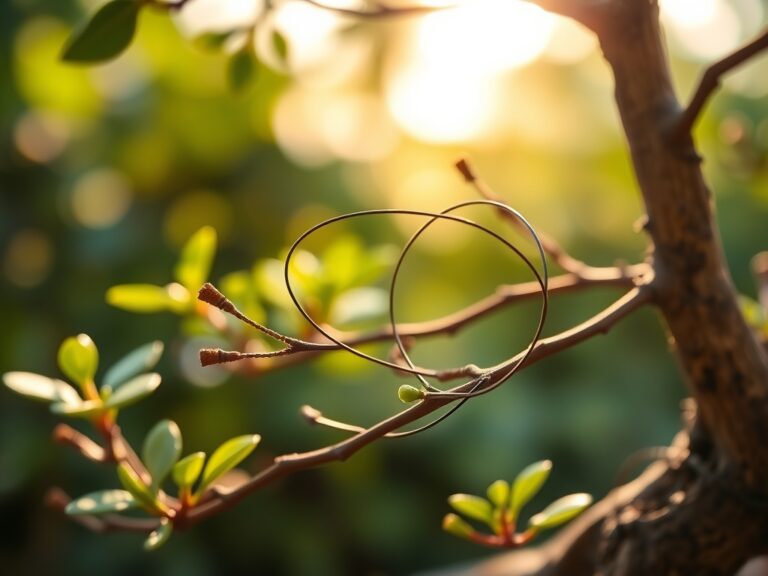
Most wealth corner plants are propagated via stem cuttings or air layering rather than seeds. For a Jade plant, take a 3-inch cutting and allow the wound to callus for 48 to 72 hours before placing it in a sterile medium. This prevents pathogens from entering the vascular bundle.
Pro-Tip: Dip the cutting in an auxin-based rooting hormone. Auxins trigger undifferentiated cells to become root primordia, accelerating the establishment of a new root system.
Transplanting
When the root ball occupies 80% of the current container, it is time to upsize. Select a pot only 2 inches wider than the previous one. Ensure the root flare remains level with the soil surface to avoid stem rot.
Pro-Tip: Inoculate the new soil with mycorrhizal fungi. This symbiotic relationship extends the root's reach, increasing the surface area for phosphorus absorption by up to 100 times.
Establishing
During the first 21 days post-transplant, keep the plant in indirect light to minimize transpiration stress. The plant is focusing energy on root elongation rather than new leaf production.
Pro-Tip: Avoid fertilizing for the first month. High salt concentrations in fertilizers can dehydrate new, tender root hairs through osmotic shock, stalling the establishment phase.
The Clinic:
Physiological disorders often mimic disease. Accurate diagnosis is essential for recovery.
- Symptom: Interveinal chlorosis (yellowing between green veins) on new leaves.
- Solution: This indicates an Iron deficiency, often caused by a pH above 7.0. Lower the pH to 6.5 and apply chelated iron.
- Symptom: Lower leaves turning completely yellow and dropping.
- Solution: Nitrogen deficiency. Apply a water-soluble fertilizer with a higher first number in the NPK ratio.
- Symptom: Soft, blackened stems at the soil line.
- Solution: Pythium root rot caused by overwatering. Remove the plant, prune dead roots with a sterile hori-hori knife, and repot in fresh, dry substrate.
- Symptom: Brown, crispy leaf margins.
- Solution: Low humidity or sodium toxicity from tap water. Use distilled water and maintain humidity above 50%.
Maintenance:
Precision is the difference between a surviving plant and a thriving one. Use a soil moisture meter to verify that the top 2 inches of soil are dry before adding water. For most species, apply 1.5 inches of water per week, ensuring it reaches the drip line and drains freely from the bottom.
Pruning should be performed with bypass pruners to ensure clean cuts that heal quickly. When shaping a Money Tree or Rubber Plant, cut just above a node to stimulate lateral branching. This manages the plant's apical dominance, forcing it to grow fuller rather than just taller. Clean the leaves monthly with a damp cloth to remove dust. Dust buildup reduces the amount of light reaching the chloroplasts, which directly lowers the plant's energy production.
The Yield:
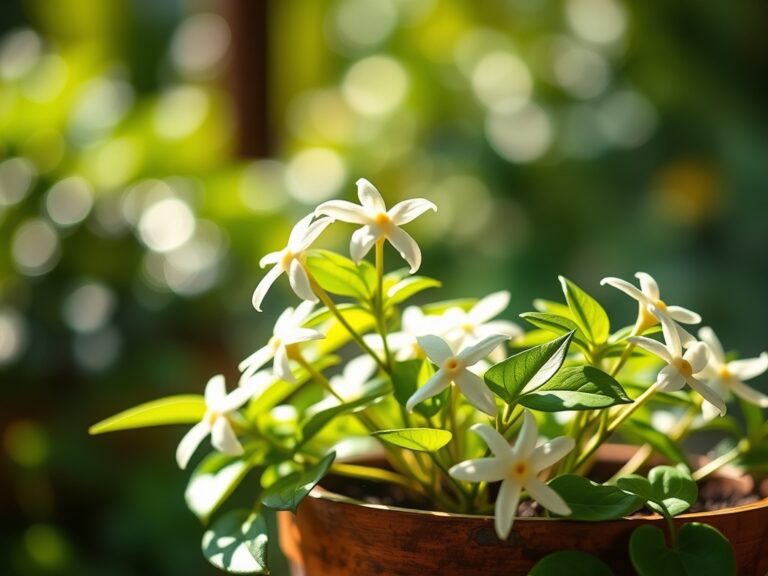
While wealth corner plants are primarily grown for foliage, some, like the Peace Lily, produce spathes. For maximum "day-one" freshness and longevity of the plant, remove spent blooms at the base of the peduncle using a sharp blade. This prevents the plant from diverting energy into seed production, a process known as deadheading. If you are harvesting cuttings for gifts, place them immediately in a 1% sugar solution to maintain turgor until they can be properly callused and planted.
FAQ:
Which plant is best for a low-light wealth corner?
The ZZ Plant (Zamioculcas zamiifolia) is ideal. It survives in light levels as low as 50 foot-candles. Its succulent rhizomes store water, making it resilient to irregular irrigation schedules while maintaining dark green, glossy foliage.
How often should I fertilize my Money Tree?
Apply a balanced, water-soluble fertilizer every four to six weeks during the active growing season (March through September). Dilute the solution to half-strength to prevent salt buildup in the substrate, which can lead to root burn.
Can I use tap water for my wealth corner plants?
Most plants are sensitive to chlorine and fluoride. If using tap water, let it sit for 24 hours to allow gases to dissipate. Alternatively, use rainwater or filtered water to prevent leaf tip burn and mineral crusting.
Why are the leaves on my Jade plant shriveling?
Shriveling indicates a lack of turgor pressure. This is usually caused by underwatering or a compromised root system that cannot absorb moisture. Check the soil; if bone-dry, deep-water the plant. If wet, inspect for root rot.
What is the ideal temperature for these plants?
Maintain an indoor environment between 65 and 80 degrees Fahrenheit. Avoid placing plants near HVAC vents or drafty windows. Rapid temperature fluctuations can cause abscission, where the plant prematurely drops its leaves to conserve energy.