7 Easy Ways How to Plan Backyard Farms
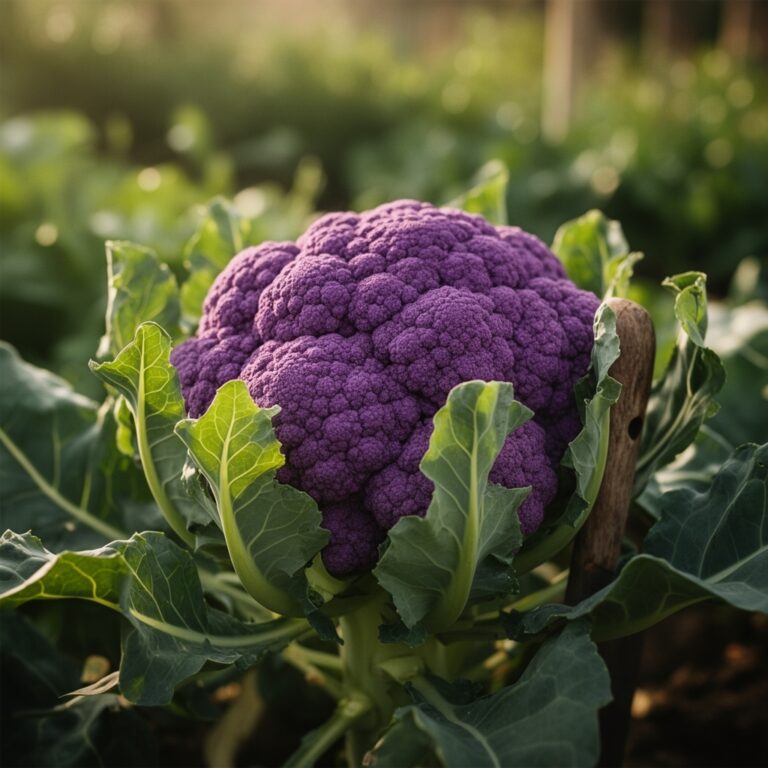
The scent of compost turning warm in morning sun, the snap of fresh pea pods pulled from the vine, the weight of a ripe tomato cupped in your palm—these sensations define productive backyard agriculture. Learning how to plan backyard farms transforms unused lawn into a food-producing system that feeds families while rebuilding soil carbon reserves. The practice converts ornamental landscapes into working ecosystems that yield hundreds of pounds of vegetables, herbs, and small fruits annually.
Materials
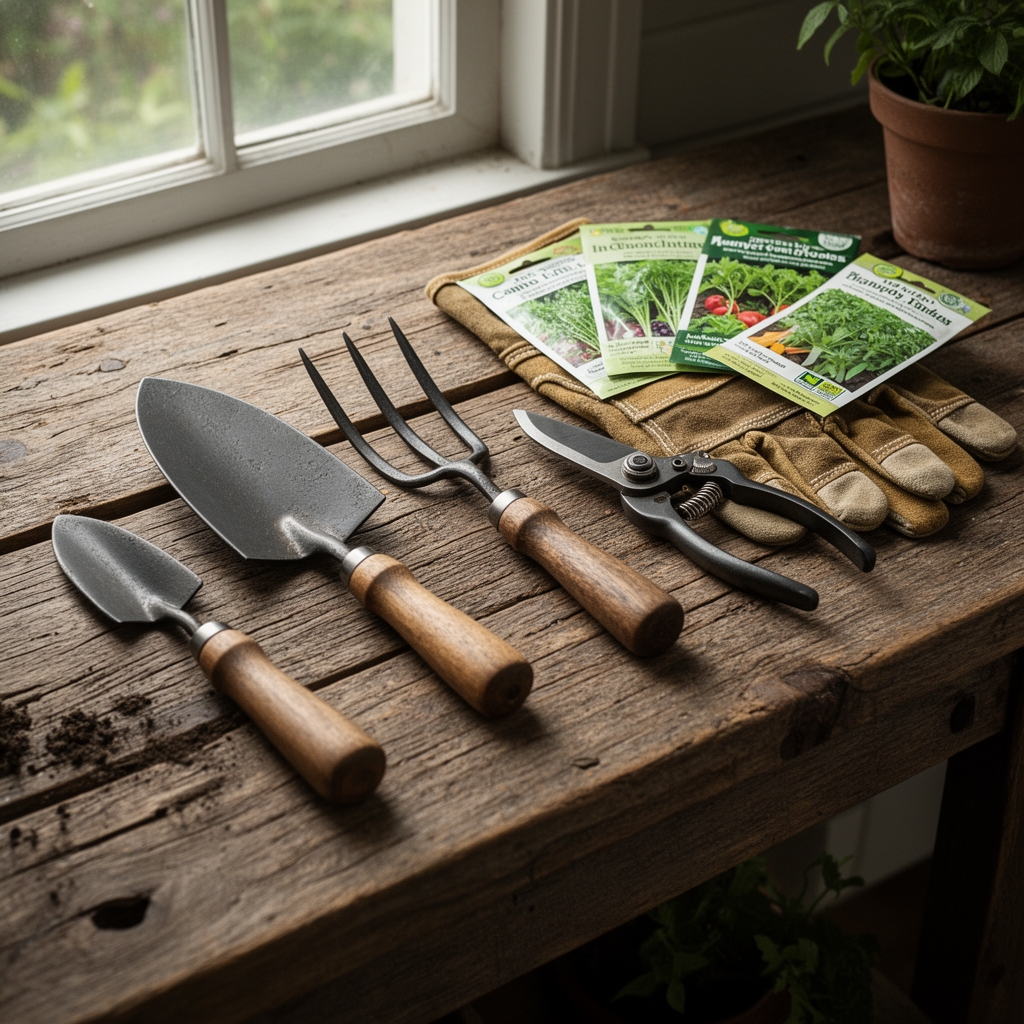
Successful backyard farms begin with balanced amendments matched to existing soil chemistry. Test soil pH before purchasing inputs. Most vegetables thrive in a 6.2 to 6.8 range, where cation exchange capacity optimizes nutrient availability.
For nitrogen-building, apply alfalfa meal (3-1-2) at 5 pounds per 100 square feet during spring incorporation. Blood meal (12-0-0) provides rapid nitrogen for heavy feeders like brassicas but can disrupt microbial populations if overused. Bone meal (3-15-0) supplies phosphorus for root crops and transplants. Greensand (0-0-3) delivers slow-release potassium and trace minerals over 24 months.
Balanced organic fertilizers like 4-4-4 pelletized blends suit maintenance feeding throughout the season. Apply 2 pounds per 100 square feet every six weeks during active growth.
Compost serves as the foundation. Finished compost contains diverse microbial populations that suppress disease and chelate nutrients. Spread 2-inch layers annually and incorporate to 6-inch depth.
Mycorrhizal fungi inoculants applied at transplanting colonize roots and extend nutrient-gathering capacity by 700 percent. Choose species-specific formulas: endo-mycorrhizae for vegetables, ecto-mycorrhizae for woody plants.
Timing
Understanding how to plan backyard farms requires coordinating planting windows with local frost patterns. Determine your USDA Hardiness Zone and average last spring frost date. Zone 5 gardeners face May 15 cutoffs; Zone 8 gardeners start March 1.
Cool-season crops tolerate soil temperatures above 40°F. Sow peas, spinach, lettuce, and radishes four weeks before last frost. These species germinate in cold frames or unheated hoop houses when nighttime air temperatures drop to 28°F.
Warm-season transplants require soil temperatures above 60°F. Tomatoes, peppers, eggplants, and cucurbits suffer transplant shock and fungal pressure if moved outdoors prematurely. Harden transplants over 10 days by gradually exposing them to outdoor conditions.
Succession planting extends harvests. Sow lettuce every 14 days from early spring through fall. Plant bush beans every three weeks. Stagger tomato varieties with 60-day, 75-day, and 90-day maturity ratings.
Phases
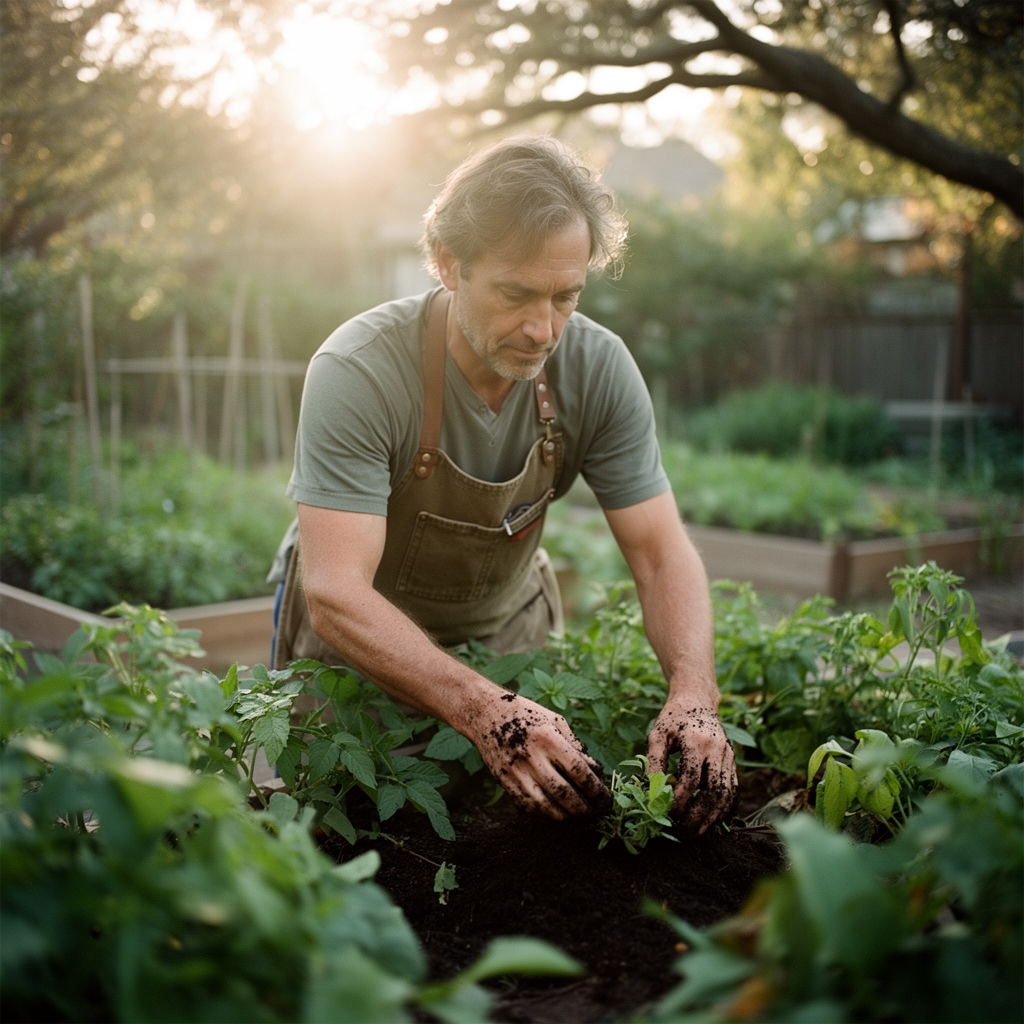
Sowing: Direct-seed crops like carrots, beets, and beans into prepared beds with friable tilth. Plant seeds at depths equal to three times their diameter. Firm soil contact speeds germination by maintaining moisture around the seed coat. Water with a fan spray to avoid displacement.
Pro-Tip: Coat large seeds like beans and peas with rhizobium inoculant powder before planting. These nitrogen-fixing bacteria form root nodules that capture atmospheric nitrogen, reducing fertilizer needs by 40 percent.
Transplanting: Move seedlings at the four-to-six true-leaf stage. Dig holes twice the root ball width. Position transplants at the same depth they grew in containers, except tomatoes. Bury tomato stems horizontally up to the lowest leaves; adventitious roots form along buried stems and increase water uptake capacity.
Pro-Tip: Prune tomato suckers at 45-degree angles using sanitized shears. This angle promotes rapid callusing and reduces pathogen entry points while redirecting auxin distribution toward fruiting branches.
Establishing: Mulch transplants with 3 inches of straw or shredded leaves after soil warms. Organic mulches moderate temperature swings, suppress weeds, and feed soil organisms as they decompose.
Pro-Tip: Install drip irrigation on 12-inch centers beneath mulch layers. This configuration delivers water directly to root zones, reducing foliar moisture that encourages fungal pathogens like early blight and powdery mildew.
Troubleshooting
Symptom: Blossom end rot appears as sunken black lesions on tomato and pepper fruits.
Solution: Maintain consistent soil moisture. Fluctuating water availability disrupts calcium transport. Apply gypsum (calcium sulfate) at 2 pounds per 100 square feet if soil tests show calcium deficiency.
Symptom: Aphid colonies cluster on new growth, secreting honeydew that attracts sooty mold.
Solution: Release ladybugs at dusk (150 per 500 square feet). Spray infested plants with insecticidal soap (2 tablespoons per quart) targeting leaf undersides. Repeat every five days for three applications.
Symptom: Powdery mildew creates white fungal patches on squash and cucumber leaves.
Solution: Apply sulfur dust (5 pounds per 1,000 square feet) when conditions favor infection: humidity above 80 percent and temperatures between 60°F and 80°F. Prune lower leaves to improve air circulation.
Symptom: Nitrogen deficiency causes uniform yellowing of older leaves.
Solution: Side-dress with blood meal (1 pound per 100 square feet) or apply fish emulsion (2 tablespoons per gallon) as a foliar spray every 10 days.
Maintenance
Water deeply and infrequently. Deliver 1 inch per week through rainfall or irrigation, measured with rain gauges placed at bed centers. Deep watering encourages roots to penetrate 12 to 18 inches, accessing subsoil moisture during dry periods.
Scout for pests twice weekly. Check leaf undersides for eggs. Remove diseased foliage immediately and dispose in sealed bags, not compost piles where pathogens may survive.
Rotate crop families on three-year cycles. Plant tomatoes (Solanaceae) in beds that grew beans (Fabaceae) the previous year. Rotation breaks pest and disease cycles while balancing nutrient demands.
FAQ
How much space do I need to learn how to plan backyard farms?
A 400-square-foot plot (20 by 20 feet) produces 200 to 300 pounds of vegetables annually with intensive management.
When should I start seeds indoors?
Start tomatoes and peppers 8 weeks before last frost. Start brassicas 6 weeks before. Start cucurbits 3 weeks before transplanting outdoors.
What is the best soil amendment ratio?
Mix 2 parts native soil, 1 part finished compost, and 0.5 part perlite for raised beds. This provides drainage, aeration, and microbial activity.
How do I control weeds without herbicides?
Apply 4-inch mulch layers after soil warms above 60°F. Hand-pull weeds weekly before they set seed. Flame weeders kill small seedlings between rows.
Can I grow vegetables in partial shade?
Leafy greens tolerate 4 hours of direct sun. Fruiting crops like tomatoes, peppers, and squash require 8 hours minimum for adequate yields.