7 Best Oxygen Producing Plants for Sleep
The scent of damp, well-aerated humus and the firm turgor of a hydrated leaf define a high-functioning indoor ecosystem. To optimize a bedroom for rest, one must select the best oxygen producing plants based on their metabolic pathways. Most flora undergo photorespiration, consuming oxygen at night. However, specific species utilize Crassulacean Acid Metabolism (CAM) or possess high leaf surface areas that facilitate gas exchange even in low-light conditions. These botanical filters scrub volatile organic compounds (VOCs) and elevate nocturnal oxygen levels. Success requires more than placement; it demands an understanding of the rhizosphere and the physiological mechanisms that drive atmospheric purification. By managing the gas exchange of these seven species, a grower creates a pressurized sanctuary of fresh air.
Materials:
Cultivating these specimens requires a substrate with a high Cation Exchange Capacity (CEC) to ensure nutrient availability. The ideal medium is a friable loam consisting of 40 percent peat or coco coir, 30 percent perlite for macropore space, and 30 percent composted organic matter.
- Snake Plant (Sansevieria trifasciata): Requires a well-draining mineral substrate with a pH between 6.0 and 7.0. Use an NPK ratio of 10-10-10 during the active growing season.
- Aloe Vera: Thrives in a gritty, sandy mix with a pH of 7.0 to 8.5. Fertilize sparingly with a 10-40-10 ratio to encourage root development over foliage.
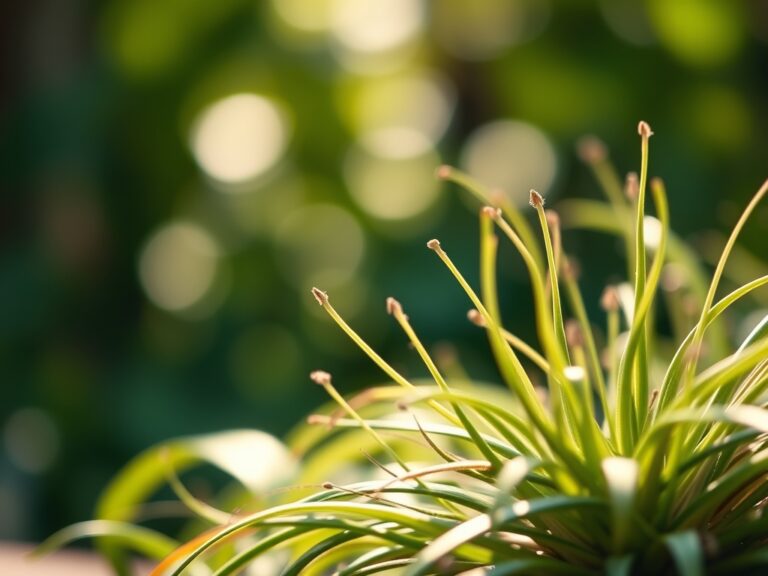
- Spider Plant (Chlorophytum comosum): Prefers a moisture-retentive but aerated soil at pH 6.1 to 6.5. Use a balanced 20-20-20 water-soluble fertilizer.
- Peace Lily (Spathiphyllum): Demands a high-humus content with a pH of 5.8 to 6.5. Nitrogen-heavy NPK 20-10-10 supports its broad, dark green leaves.
- Areca Palm (Dypsis lutescens): Needs a slightly acidic pH of 6.1 to 6.5. Use a slow-release 15-5-15 fertilizer containing micronutrients like magnesium.
- Gerbera Daisy: Requires a sterile potting mix at pH 5.5 to 6.2. High potassium (NPK 15-5-30) is essential for bloom-driven oxygen production.
- English Ivy (Hedera helix): Adaptable to pH 6.0 to 7.8. A standard 20-20-20 ratio applied monthly maintains its dense canopy.
Timing:
While indoor environments are climate-controlled, these plants still respond to the external photoperiod and seasonal temperature shifts. Most of these species are native to tropical or arid regions, corresponding to USDA Hardiness Zones 9 through 11. The biological clock of CAM plants, like the Snake Plant and Aloe Vera, is governed by the opening of stomata at night to minimize evapotranspiration.
The transition from the vegetative stage to the reproductive or dormant stage is triggered by the reduction of daylight hours in autumn. For the Gerbera Daisy and Peace Lily, maintaining a consistent temperature between 65 and 75 degrees Fahrenheit ensures the plant does not enter early senescence. Avoid transplanting during the winter solstice window, as the metabolic rate of the rhizosphere is at its annual nadir.
Phases:

Sowing and Propagation
Most oxygen-producing plants are established via asexual propagation to ensure genetic clones of high-performing parent stock. For Aloe and Snake Plants, utilize offsets or leaf cuttings. Ensure the wound callouses for 48 to 72 hours before placing in a sterile medium to prevent fungal pathogens from entering the vascular system.
Pro-Tip: Applying a rooting hormone containing Indole-3-butyric acid (IBA) stimulates auxin accumulation at the base of the cutting. This hormonal surge triggers the differentiation of undifferentiated parenchyma cells into root primordia, accelerating establishment.
Transplanting
When roots begin to circle the interior of the pot, the plant is "root-bound," which limits nutrient uptake and gas exchange. Move the specimen to a container 2 inches wider in diameter. Carefully tease the root ball to break the circular growth pattern and encourage lateral expansion into the new substrate.
Pro-Tip: Inoculate the new soil with arbuscular mycorrhizal fungi. This symbiotic relationship extends the root system's reach via hyphae, increasing the surface area for phosphorus uptake and improving the plant's drought resistance through enhanced hydraulic conductivity.
Establishing
The first 30 days after potting are critical for stabilizing turgor pressure. Place the plants in indirect light to prevent photo-inhibition while the root system recovers. Monitor the soil moisture daily using a digital moisture meter to ensure the root zone remains in the "moist but not saturated" range.
Pro-Tip: Avoid excessive movement of the pots to prevent thigmomorphogenesis. Constant physical agitation or changing light angles forces the plant to redirect energy from leaf expansion to structural thickening of the stem, reducing the overall oxygen output of the canopy.
The Clinic:
Physiological disorders often manifest as visual cues in the foliage. Use the following diagnostic guide to troubleshoot issues.
- Symptom: Interveinal Chlorosis (Yellowing between green veins).
- Solution: This typically indicates a Magnesium deficiency or an alkaline pH blocking iron uptake. Test the soil pH. If it is above 7.0, amend with elemental sulfur or use a chelated iron drench.
- Symptom: Leaf Tip Burn (Necrosis at the distal ends).
- Solution: Common in Spider Plants and Peace Lilies due to fluoride or chlorine accumulation from tap water. Flush the soil with distilled or rainwater and allow the pot to drain completely.
- Symptom: Epinasty (Downward curling or twisting of leaves).
- Solution: Often a sign of overwatering or poor soil aeration leading to root hypoxia. Increase the perlite content in the mix and reduce watering frequency to allow the top 2 inches of soil to dry.
- Fix-It: Nitrogen Deficiency.
- Solution: If older leaves turn pale green or yellow uniformly, apply a high-nitrogen liquid fertilizer. Nitrogen is a mobile nutrient; the plant will pull it from old growth to support new meristematic development.
Maintenance:
Precision maintenance ensures maximum photosynthetic efficiency. Use a soil moisture meter to verify that the root zone is at 40 percent capacity before adding water. For most indoor species, provide approximately 1 to 1.5 inches of water per week, delivered directly to the soil surface to avoid wetting the crown, which can lead to rot.
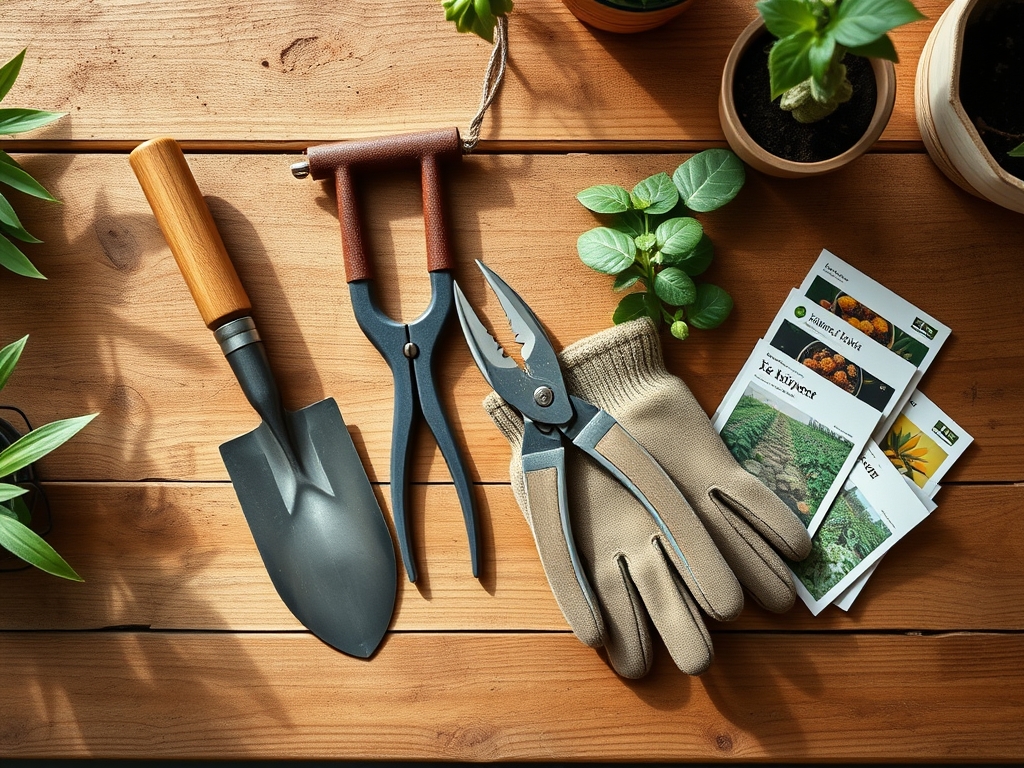
Keep a hori-hori knife for dividing overgrown clumps of Snake Plants or Spider Plants. Use sharp bypass pruners to remove senescent leaves at the base; this prevents the plant from wasting carbohydrates on dying tissue. Dust the leaf surfaces every 14 days with a damp microfiber cloth. Dust buildup blocks the stomata and reduces the light-gathering capacity of the chlorophyll, directly lowering oxygen production.
The Yield:
While these are primarily functional foliage plants, "harvesting" refers to the management of offsets and the maintenance of the air-purifying canopy. For Aloe Vera, harvest the outer, mature leaves by cutting them at the base with a sterile blade. To maintain "day-one" freshness and potency of the gel, immediate refrigeration is required to slow the oxidation of aloin. For the flowering Gerbera Daisy, deadhead spent blooms immediately to redirect energy from seed production back into leaf biomass, which sustains the oxygen cycle.
FAQ:
Which plant produces the most oxygen at night?
The Snake Plant (Sansevieria) is the most efficient nocturnal oxygen producer. It utilizes Crassulacean Acid Metabolism (CAM) to open its stomata at night, absorbing carbon dioxide and releasing oxygen while the grower sleeps.
How many plants are needed per bedroom?
For measurable air quality improvement, aim for two large plants in 10-inch to 12-inch pots per 100 square feet. This density provides sufficient leaf surface area to filter VOCs and elevate oxygen concentrations effectively.
Do these plants require direct sunlight?
Most oxygen-producing indoor plants, like the Peace Lily and Areca Palm, prefer bright, indirect light. Direct solar radiation can cause leaf scorch and photo-oxidation, which damages the photosynthetic apparatus and halts oxygen production.
Can overwatering stop oxygen production?
Yes. Overwatering leads to waterlogged soil, which causes root hypoxia. When roots cannot access oxygen in the soil, the plant's metabolic rate drops, stomata close, and the overall rate of photosynthesis and oxygen release decreases significantly.