7 Best Indoor Eucalyptus Plants for Scent
Crushing a mature Eucalyptus leaf releases a sharp surge of 1,8-cineole that cuts through the humid air of a greenhouse. The scent is medicinal; it is the olfactory signature of a plant optimized for survival in arid landscapes. Choosing the best indoor eucalyptus plants requires more than aesthetic preference. It demands an understanding of turgor pressure and the high metabolic cost of oil production. These woody perennials are not traditional houseplants. They are high-light, high-drainage organisms that require precise environmental calibration to thrive within a residential envelope. Success depends on managing the rhizosphere to prevent root rot while maintaining the intense light levels necessary for secondary metabolite synthesis.
Materials:
Indoor eucalyptus requires a specialized substrate to mimic the nutrient-poor, well-draining soils of the Australian outback. A **friable loam** mixed with 30 percent perlite or coarse horticultural sand is essential. The target **soil pH must remain between 5.5 and 6.5**. If the pH climbs above 7.0, iron becomes chemically locked in the soil; this leads to interveinal chlorosis.
For fertilization, utilize a low-phosphorus NPK ratio. Eucalyptus species are sensitive to phosphorus toxicity, which can cause leaf necrosis. A ratio of 10-2-6 or 12-4-8 is ideal for maintaining vegetative vigor without damaging the root system. Ensure the growing medium has a Cation Exchange Capacity (CEC) of 15 to 25 meq/100g to allow for steady nutrient uptake without salt accumulation.
Timing:
Most eucalyptus species are hardy in USDA Zones 8 through 11, meaning they cannot survive sustained temperatures below 20 degrees Fahrenheit. When grown indoors, the biological clock is governed by the photoperiod. These plants enter a period of reduced metabolic activity during the winter solstice when light levels drop below 1,000 foot-candles.
Transitioning from the vegetative stage to a stable indoor specimen requires timing the initial potting for early spring. This allows the plant to establish a robust root-to-shoot ratio before the high-heat demands of summer. Monitor the vernalization requirements if you intend to see flowering; however, most indoor specimens remain in a juvenile vegetative state characterized by the rounded, sessile leaves highly prized for their scent.
Phases:
Sowing
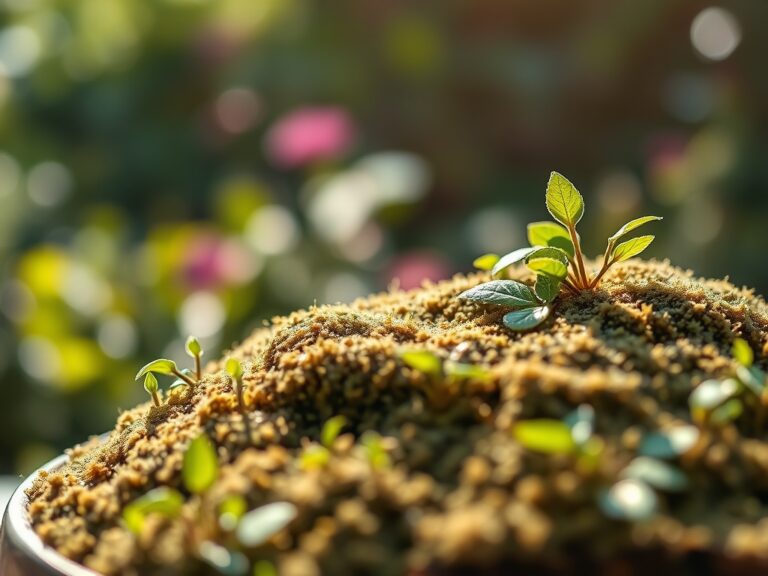
Eucalyptus seeds are microscopic and require light for germination. Surface-sow onto a sterile, moist seed-starting mix. Maintain a constant temperature of 70 to 75 degrees Fahrenheit. Germination typically occurs within 14 to 21 days.
Pro-Tip: Use a heat mat to maintain consistent soil temperature. Biological Why: Consistent bottom heat triggers the enzymatic breakdown of the seed coat, accelerating the metabolic processes required for the radical to emerge before fungal pathogens can colonize the seed.
Transplanting
Move seedlings when they reach 3 inches in height and have developed at least two sets of true leaves. Eucalyptus develops a sensitive taproot early in its life cycle. Use a 4-inch deep pot to prevent the root from circling, which causes permanent structural instability.
Pro-Tip: Dust the root ball with mycorrhizal fungi during the move. Biological Why: Mycorrhizal symbiosis increases the effective surface area of the root system, enhancing the uptake of water and immobile nutrients like phosphorus in a low-P environment.
Establishing
The establishment phase lasts 6 to 12 months. During this time, the plant requires at least 6 to 8 hours of direct solar radiation. If natural light is insufficient, supplemental LED grow lights must provide a Photosynthetic Photon Flux Density (PPFD) of 400-600 umol/m2/s.
Pro-Tip: Pinch the terminal buds once the plant reaches 12 inches. Biological Why: This disrupts apical dominance by suppressing auxin flow. The reduction in auxin allows lateral buds to break dormancy, resulting in a bushier, more aromatic plant.
The Clinic:
Symptom: Leaf Drop and Brittle Stems
Solution: This is often caused by a sudden drop in turgor pressure due to underwatering. Eucalyptus does not "wilt" as a warning; it simply desicccates. Maintain a consistent moisture level where the top 1 inch of soil feels dry before re-watering.
Symptom: White Powdery Residue
Solution: Powdery mildew thrives in stagnant air. Increase ventilation using a small oscillating fan. Ensure the relative humidity remains between 40 and 60 percent.
Symptom: Yellowing New Growth (Iron Chlorosis)
Solution: Check the pH. If it is above 7.0, apply a chelated iron drench. Fix-It: For general nitrogen deficiency, apply a liquid fertilizer at half-strength every two weeks during the active growing season.
Maintenance:
Precision is the hallmark of eucalyptus care. Use a soil moisture meter to ensure you are not over-saturating the root zone; aim for a reading of "4" on a 1-10 scale. Apply roughly 1.5 inches of water per week, delivered directly to the substrate to avoid wetting the foliage.
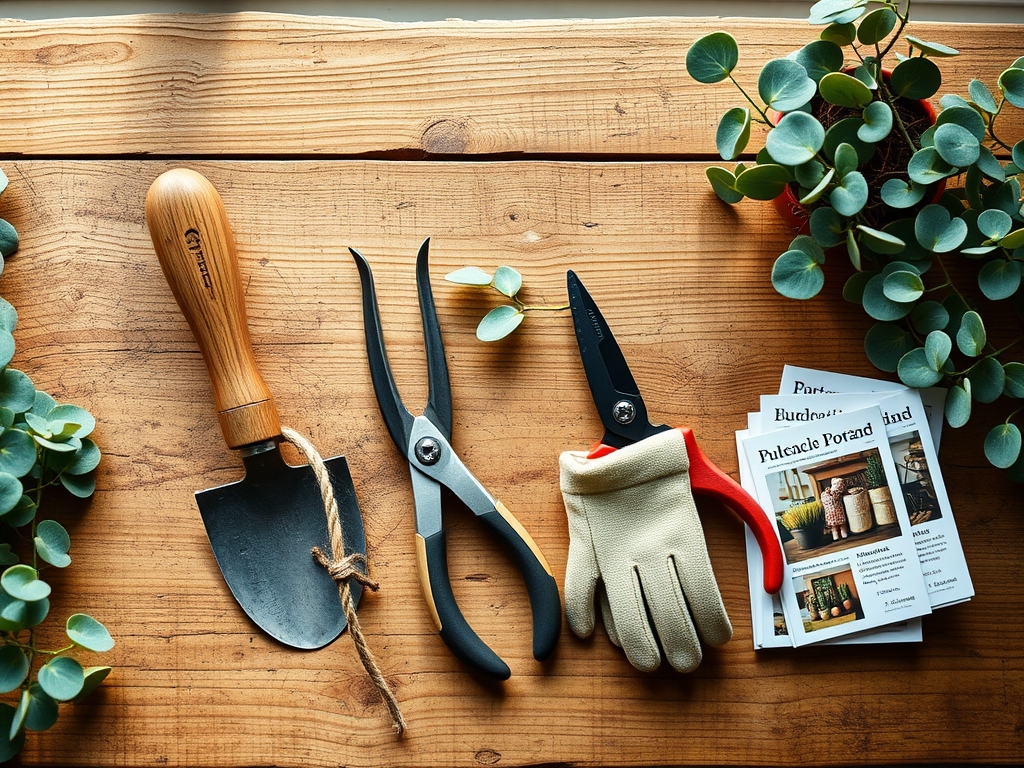
Pruning should be performed with sharp bypass pruners to ensure clean vascular cuts. Remove any crossing branches or spindly growth in late winter. If the plant becomes root-bound, use a hori-hori knife to gently score the outer roots before up-potting into a container 2 inches wider than the previous one.
The Yield:
For scent, the best indoor eucalyptus plants include Eucalyptus gunnii (Cider Gum) and Eucalyptus citriodora (Lemon-Scented Gum). Harvest stems when the leaves feel leathery and firm. The highest concentration of essential oils occurs in the mid-morning after the dew has evaporated but before the heat of the day causes oil volatilization.
Cut stems at a 45-degree angle and immediately place them in cool water. To preserve the scent for "day-one" freshness, some growers use a glycerin bath (one part glycerin to two parts water). This replaces the water in the plant tissues, keeping the leaves supple and aromatic for months.
FAQ:
Which eucalyptus is best for indoor scent?
Eucalyptus citriodora is the superior choice for scent. It produces high levels of citronellal, giving it a powerful lemon aroma. Eucalyptus pulverulenta 'Baby Blue' is also highly aromatic with a more traditional medicinal camphor scent.
How much light does indoor eucalyptus need?
These plants require high-intensity light. Place them in a south-facing window receiving at least 6 hours of direct sun. If the plant becomes leggy or loses its blue-grey glaucous coating, it is suffering from insufficient light.
How often should I water indoor eucalyptus?
Water when the top one inch of soil is dry to the touch. Do not allow the root ball to dry out completely. These plants have high transpiration rates and will drop leaves quickly if they reach a permanent wilting point.
Why are my eucalyptus leaves turning brown?
Brown, crispy leaves usually indicate low humidity or root desiccation. If the browning starts at the tips, it may be salt buildup from tap water. Use filtered water and ensure the pot has excellent drainage to flush excess salts.