6 Simple Steps to Plant Textured Leaves
Growing textured foliage transforms ordinary garden beds into three-dimensional landscapes. The steps to plant textured leaves begin with soil preparation and end with strategic pruning that amplifies the natural corrugation, veining, and surface complexity of species like Hosta 'Sum and Substance,' Brunnera macrophylla, or Farfugium japonicum. Textured leaves capture light differently than smooth counterparts, creating shadow play that persists from spring emergence through autumn senescence.
Materials
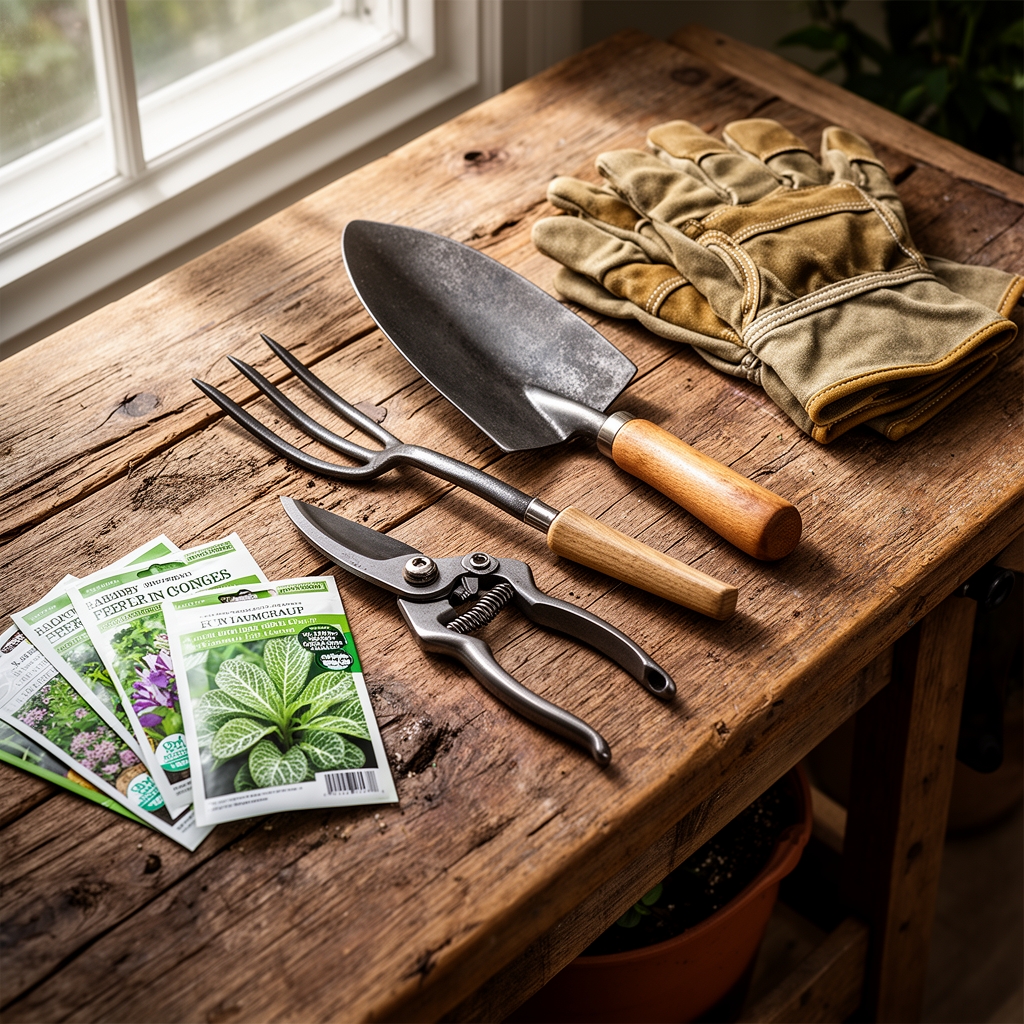
Select a balanced organic fertilizer with an NPK ratio of 4-4-4 or 5-5-5 to encourage steady foliar development without forcing excessive vegetative growth. Compost with a carbon-to-nitrogen ratio of 25:1 provides sustained nutrient release. The ideal soil pH ranges from 6.0 to 6.8 for most textured-leaf perennials, measured with a calibrated electronic meter or laboratory analysis. Incorporate mycorrhizal fungi inoculant at 0.5 ounces per cubic foot of root zone volume to enhance phosphorus uptake and improve cation exchange capacity. Use peat-free coconut coir or aged leaf mold to amend heavy clay, targeting a final soil structure that retains moisture while draining freely. A three-inch layer of shredded hardwood bark mulch suppresses weeds and moderates soil temperature fluctuations.
Timing
Plant textured-leaf perennials in spring two weeks after the last frost date, when soil temperatures stabilize above 50°F at four-inch depth. For Zones 5 and 6, this window typically opens mid-April through early May. Zones 7 and 8 gardeners can plant from late March into mid-October, avoiding the peak heat of July and August. Fall planting works best six weeks before the first hard freeze, allowing root establishment before dormancy. Container-grown specimens tolerate transplanting throughout the growing season if provided adequate irrigation during the establishment period. Cold-climate gardeners in Zones 3 and 4 should plant exclusively in spring to maximize root development before winter.
Phases

Sowing: Direct sowing rarely applies to textured-leaf ornamentals. Most gardeners acquire nursery-propagated divisions or tissue-cultured plugs. If starting from seed, surface-sow species like Ligularia dentata on sterile seed-starting mix at 65-70°F. Maintain consistent moisture using a capillary mat system. Germination occurs in 14-21 days. Provide 14 hours of light daily using full-spectrum LEDs positioned six inches above foliage.
Pro-Tip: Treat seeds with a 10% bleach solution (one part bleach to nine parts water) for five minutes before sowing to eliminate surface pathogens that cause damping-off.
Transplanting: Excavate planting holes twice the width and equal to the depth of the root ball. Position the crown at the same level it occupied in the container. Backfill with native soil amended with 30% compost by volume. Firm soil gently to eliminate air pockets while avoiding compaction. Water thoroughly with one gallon per plant to settle roots. Space plants according to mature spread: 18-24 inches for medium hostas, 36 inches for large Rodgersia species.
Pro-Tip: Apply a starter solution containing 10-52-10 fertilizer diluted to half strength (one tablespoon per gallon) immediately after transplanting to stimulate auxin distribution and accelerate root hair formation.
Establishing: Monitor soil moisture weekly using a probe inserted to six-inch depth. Provide one inch of supplemental water per week during the first growing season if rainfall is insufficient. Apply a sidedressing of 5-10-5 granular fertilizer at six weeks post-planting, broadcasting three tablespoons per square yard around the drip line. Prune damaged or diseased leaves at the petiole base using sterilized bypass pruners.
Pro-Tip: Mulch to a depth of two inches immediately after planting, keeping material three inches away from crowns to prevent crown rot caused by Sclerotium rolfsii.
Troubleshooting
Symptom: Irregular holes with ragged edges appearing overnight.
Solution: Slugs. Deploy iron phosphate bait at one teaspoon per square yard. Handpick at dusk. Reduce mulch depth to one inch to eliminate daytime hiding sites.
Symptom: Yellow stippling on upper leaf surfaces with fine webbing underneath.
Solution: Spider mites. Spray undersides with insecticidal soap (potassium salts of fatty acids at 1% concentration) every five days for three applications. Increase ambient humidity above 60%.
Symptom: Brown leaf margins progressing inward; soil pH below 5.5.
Solution: Aluminum toxicity in acidic soils. Apply dolomitic limestone at four pounds per 100 square feet. Retest pH after 60 days.
Symptom: Stunted growth with purple-tinged older leaves.
Solution: Phosphorus deficiency. Broadcast rock phosphate at two pounds per 100 square feet or apply liquid fish emulsion (5-1-1) biweekly at label rates.
Maintenance
Divide clump-forming textured-leaf perennials every four to six years in early spring or early autumn. Water established plants with one inch weekly during active growth, reducing frequency by half after flowering. Fertilize annually in early spring with a 4-4-4 organic blend applied at two pounds per 100 square feet. Remove spent flower stalks to redirect energy to foliar production. Cut back deciduous species to ground level after the first hard freeze.
FAQ
How deep should I plant textured-leaf perennials?
Plant at the same depth they occupied in the nursery container. The crown should sit level with the surrounding soil surface.
Can textured-leaf plants tolerate full sun?
Most prefer partial shade receiving three to four hours of morning sun. Full sun causes leaf scorch and reduces surface texture definition.
When do textured leaves reach full size?
Most perennials achieve 70% of mature size by the second growing season and full maturity by year three.
What spacing prevents overcrowding?
Space plants at 75% of their mature spread measurement. A hosta rated at 36-inch spread needs 27 inches between crown centers.
Should I remove damaged leaves?
Yes. Prune damaged tissue immediately to prevent pathogen entry and improve aesthetic appearance. Sterilize tools between cuts.