6 Simple Steps to Grow Spider Plant Air Filters
The smell of damp, oxygenated earth signals a healthy rhizosphere where Chlorophytum comosum thrives. When you press a thumb against a mature leaf, the snap of high turgor pressure confirms the plant is actively transpiring and filtering indoor pollutants. Success requires precision. By following these specific steps to grow spider plant air filters, you convert a basic ornamental into a functional biological engine capable of sequestering formaldehyde and xylene from the domestic atmosphere.
Maintaining a spider plant requires more than casual watering; it demands an understanding of the plant's metabolic rate and its ability to store moisture in thick, tuberous roots. These white, fleshy structures act as reservoirs, allowing the plant to survive fluctuations in humidity. However, to maximize the leaf surface area for gas exchange, the gardener must optimize light levels and nutrient availability. A stunted plant with low leaf density cannot effectively scrub the air. Professional cultivation focuses on maximizing biomass and maintaining open stomata through strict environmental controls. We prioritize cellular health to ensure the plant remains a high-performance air purification unit.
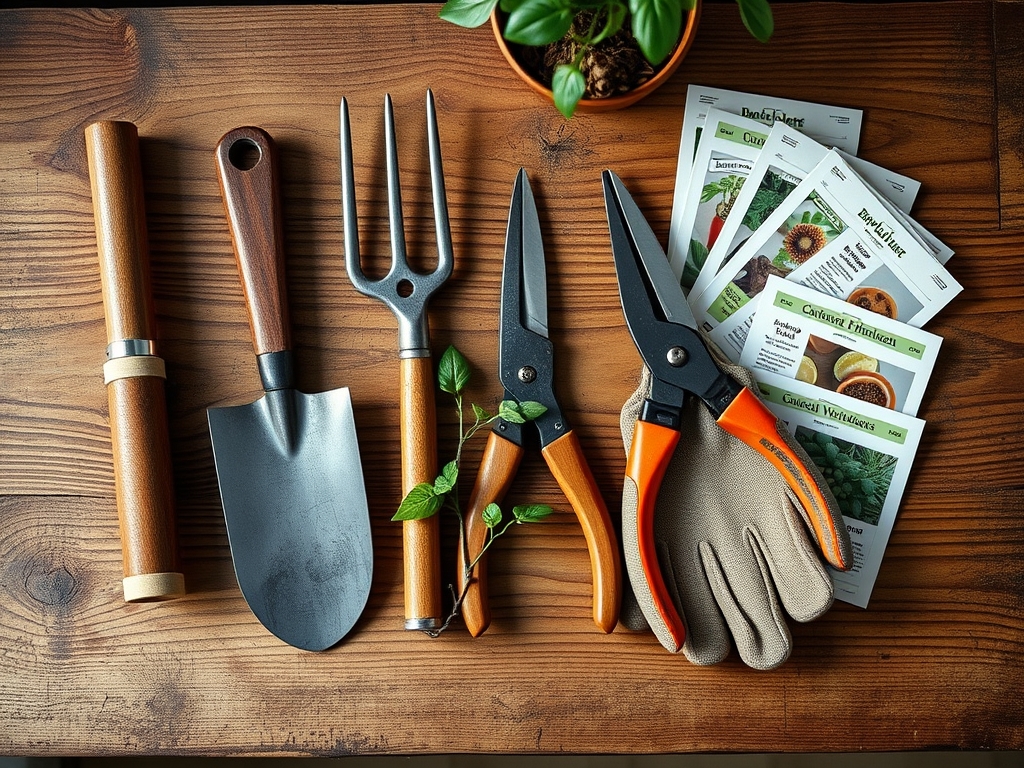
Materials:
The substrate is the foundation of the plant's filtration capacity. You must use a friable loam that balances drainage with water retention. A compacted medium suffocates roots and leads to anaerobic conditions.
- Soil pH: Target a range of 6.0 to 7.2. Spider plants are sensitive to high acidity, which can lock out essential micronutrients.
- NPK Ratio: During the active growing season, apply a water-soluble fertilizer with a 3-1-2 or 2-1-2 ratio. High nitrogen (N) levels are critical for the development of chlorophyll-rich foliage, while potassium (K) regulates stomatal opening and closing.
- Substrate Composition: Mix 50 percent peat moss or coconut coir, 30 percent perlite, and 20 percent sterilized pine bark. This ensures a high Cation Exchange Capacity (CEC), allowing the roots to efficiently pull minerals from the soil solution.
- Container: Select a pot with a minimum of three drainage holes. Avoid unglazed terra cotta if you live in an arid climate, as it can wick moisture away too quickly, causing salt buildup.
Timing:
Spider plants are typically grown indoors, but their biological clock remains tethered to solar cycles. They are hardy in USDA Zones 9 through 11. In these regions, they can remain outdoors year-round provided temperatures do not drop below 35 degrees Fahrenheit. For indoor growers, the "Biological Clock" is triggered by the photoperiod.
The transition from vegetative growth to the reproductive stage (producing "spiderettes" on long stolons) is often stimulated by the shortening days of autumn or when the plant becomes slightly root-bound. This stress response encourages the plant to propagate. To maximize air filtration, you want a balance of young, vigorous leaves and mature foliage. Aim to start new offsets in early spring when the increase in natural light intensity accelerates the metabolic rate, leading to faster establishment.
Phases:
Sowing and Propagation
Spider plants are rarely grown from seed in a professional setting. Instead, we utilize the plant's natural cloning mechanism. Identify a plantlet on a stolon that has visible root initials (small brown bumps at the base). Suspend this plantlet over a small starter pot filled with moist vermiculite.
Pro-Tip: Maintain high humidity around the plantlet to prevent desiccation before the roots penetrate the substrate. This utilizes auxin suppression; once the plantlet establishes its own root system, the parent plant reduces the flow of hormones to that specific stolon, allowing the clone to become independent.
Transplanting
Once the plantlet has developed roots at least two inches long, sever the umbilical stolon with a sharp blade. Move the specimen into its permanent 6-inch container. Ensure the crown of the plant sits exactly at the soil line. Planting too deep causes crown rot; planting too shallow leads to instability.
Pro-Tip: Use a mycorrhizal inoculant during transplanting. This creates a mycorrhizal symbiosis where beneficial fungi extend the reach of the root system, increasing the surface area for nutrient uptake and improving the plant's overall resilience against pathogens.
Establishing
During the first six weeks post-transplant, keep the soil consistently moist but not saturated. The plant is currently focusing energy on root expansion rather than leaf production. Place the pot in a location receiving 200 to 400 foot-candles of light.
Pro-Tip: Avoid moving the plant frequently. Spider plants exhibit phototropism, where leaves reorient themselves toward the light source. Constant movement forces the plant to expend energy on structural realignment rather than biomass production, slowing the growth of your air filter.
The Clinic:
Physiological disorders in spider plants are often a direct reflection of water quality or light imbalances.
- Symptom: Brown Leaf Tips. This is often caused by fluoride or chlorine toxicity in municipal water. Solution: Switch to distilled water or rainwater. Use a soil moisture meter to ensure you are not overwatering, which can also cause necrotic tips.
- Symptom: Pale, Translucent Leaves. This indicates Nitrogen chlorosis or insufficient light. Fix-It: Increase light exposure and apply a balanced liquid fertilizer at half-strength.
- Symptom: Soft, Rotting Base. This is a sign of Pythium root rot due to poor drainage. Solution: Remove the plant, prune away mushy roots with bypass pruners, and repot in fresh, sterile substrate with improved aeration.
Maintenance:
Precision maintenance ensures the plant operates at peak efficiency. Use a soil moisture meter to monitor the root zone. Water the plant when the top one inch of soil feels dry. For a standard 8-inch hanging basket, this typically equates to 1.5 cups of water applied evenly across the surface.
Every six months, take the plant to a sink and flush the soil with a volume of water equal to two times the pot volume. This leaches out accumulated salts that can interfere with the Cation Exchange Capacity. Use a hori-hori knife to gently loosen the top layer of soil if it becomes crusted. Use bypass pruners to remove any yellowing or senescent leaves at the base. Removing dead tissue prevents the spread of fungal spores and forces the plant to redirect energy to new, productive growth. Dust the leaves monthly with a damp cloth; dust buildup blocks the stomata and reduces the plant's ability to absorb airborne toxins.
The Yield:
While you do not "harvest" a spider plant for consumption, the yield is measured in "spiderettes" and clean air. To maximize the air-scrubbing "yield," maintain a high density of foliage. When the plant produces offsets, you can leave them attached to increase the total surface area of the organism.
If the mother plant becomes overcrowded, harvest the offsets by clipping the stolon. To maintain "day-one" freshness for a gift or a new room filter, immediately place the harvested plantlet in a vial of dechlorinated water. The plant will continue to function as a miniature filter even before it is potted in soil, provided the water is changed every 48 hours to maintain oxygen levels.
FAQ:
How much light does a spider plant need for air filtering?
For optimal filtration, provide bright, indirect light. Aim for 200 to 400 foot-candles. Avoid direct midday sun, which can cause leaf scorch and reduce the plant's ability to process CO2 and volatile organic compounds.
Why are the tips of my spider plant turning brown?
Brown tips usually indicate fluoride or salt accumulation from tap water. It can also result from low humidity. Use distilled water and maintain humidity levels above 40 percent to prevent tissue necrosis at the leaf extremities.
How often should I fertilize my spider plant?
Apply a balanced liquid fertilizer every four to six weeks during the spring and summer. Use a half-strength dilution to avoid root burn. Cease fertilization during winter months when the plant's metabolic rate decreases.
Can spider plants survive in low light?
Spider plants can survive in low light, but their growth rate will stall. Slow growth reduces their effectiveness as air filters. For maximum air purification, ensure the plant receives at least six hours of filtered light daily.