5 Expert Ways How to Grow Lavender for Sleep
Crushing a fresh leaf between your thumb and forefinger releases a sharp, camphoraceous aroma that signals high terpene concentration. The leaf should feel firm, displaying high turgor pressure that resists wilting under direct sun. Mastering how to grow lavender for sleep requires more than a casual interest; it demands a precise understanding of Mediterranean soil chemistry and atmospheric conditions. Success depends on maintaining a specific balance of drainage and mineral availability to trigger the production of linalool and linalyl acetate.
Lavender is not a plant for heavy, water-logged clays. It thrives in lean, calcareous environments where the roots can breathe. To produce the highest quality harvest for therapeutic use, you must manipulate the environmental stressors that force the plant to concentrate its essential oils. This guide breaks down the technical requirements for establishing a high-yield lavender plot designed specifically for sedative potency.
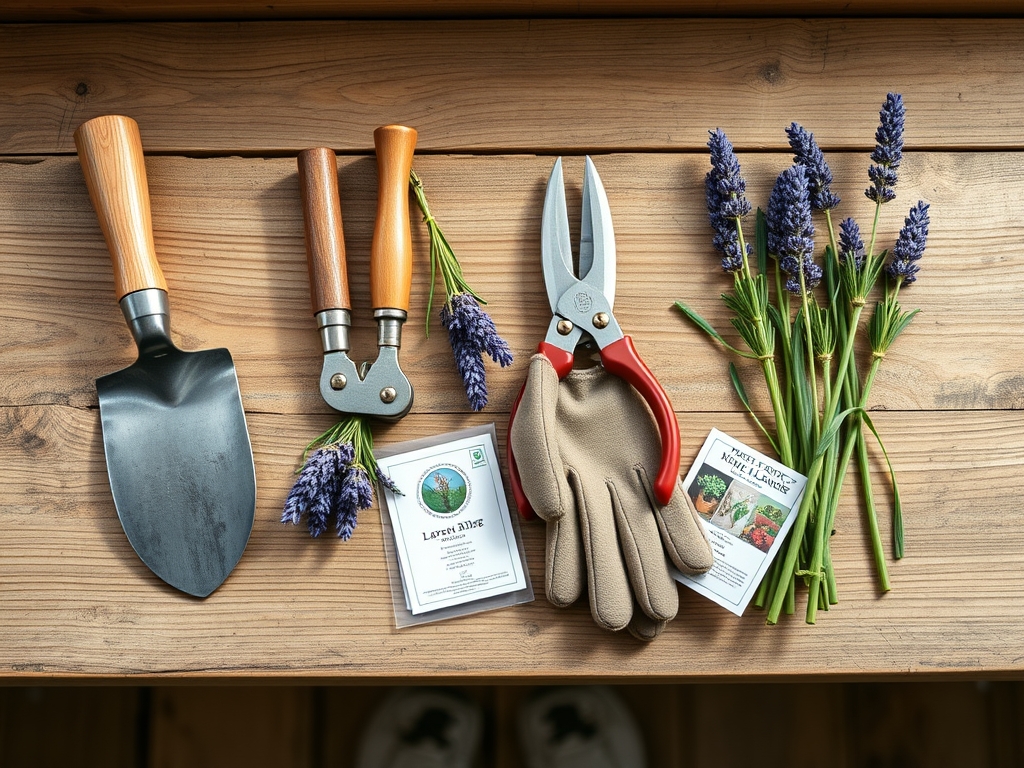
Materials:
The substrate is the most critical factor in lavender health. Aim for a pH between 6.7 and 7.3. If your soil is acidic, incorporate dolomitic lime to raise the alkalinity and provide essential magnesium. The physical texture must be a friable loam or sandy gravel with a high percentage of macropores for rapid drainage.
Lavender has low nutrient requirements. Excessive nitrogen leads to lush, vegetative growth with weak cell walls and low oil production. Use a slow-release fertilizer with an NPK ratio of 5-10-10. This phosphorus-heavy balance encourages robust root development and flower production rather than foliage. The Cation Exchange Capacity (CEC) should be relatively low, around 10 to 15 meq/100g, to prevent the buildup of salts that can burn the sensitive rhizosphere.
Timing:
Lavender (Lavandula angustifolia) is hardy in Zones 5 through 9. Timing your planting is a matter of calculating the frost-date window. In colder climates, transplanting should occur 2 to 3 weeks after the last spring frost when soil temperatures consistently reach 60 degrees Fahrenheit.
The biological clock of the plant is governed by the photoperiod. Lavender is a long-day plant, requiring at least 8 to 10 hours of full solar radiation to transition from the vegetative stage to the reproductive stage. During the vegetative phase, the plant focuses on lignification, turning soft green stems into woody structures. Once the day length increases, the plant shifts its energy to flower spikes. Understanding this transition is vital for those learning how to grow lavender for sleep, as the sedative compounds peak just as the first florets open.
Phases:

Sowing and Propagation
Starting from seed is difficult due to low germination rates and genetic variability. Most professionals use softwood cuttings taken in early summer. Place a 4-inch cutting into a sterile medium of perlite and peat moss. Maintain a humidity level of 70 percent until roots establish.
Pro-Tip: Dip the cut end in a rooting hormone to stimulate auxin suppression in the lateral buds. This redirects the plant's energy toward root initiation through apical dominance, ensuring a stronger foundation before transplanting.
Transplanting
When moving lavender to its permanent location, dig a hole twice as wide as the root ball but no deeper. Space plants 24 to 36 inches apart to ensure adequate airflow. Poor air circulation increases the risk of fungal pathogens in the center of the bush.
Pro-Tip: Inoculate the planting hole with mycorrhizal fungi. This symbiotic relationship extends the root system's reach, allowing the plant to scavenge for phosphorus and water more efficiently in lean soils.
Establishing
During the first year, the goal is to prevent the plant from flowering. Use bypass pruners to snip off any emerging flower spikes. This forces the plant to invest its carbohydrates into the root system and woody base.
Pro-Tip: This practice utilizes phototropism management. By removing early spikes, you prevent the plant from becoming "leggy" as it reaches for light, resulting in a more compact, dense shrub with higher flower density in subsequent years.
The Clinic:
Physiological disorders in lavender are often a result of over-care rather than neglect. Monitor your plants weekly for these specific symptoms.
Symptom: Yellowing of lower leaves while veins remain green.
Solution: This is Magnesium deficiency. Apply a foliar spray of Epsom salts (magnesium sulfate) at a rate of 1 tablespoon per gallon of water to restore chlorophyll production.
Symptom: Wilting foliage despite moist soil.
Solution: This indicates Phytophthora root rot. The rhizosphere is anaerobic. Immediately stop irrigation and incorporate coarse grit or sand into the top 4 inches of soil to improve oxygenation.
Symptom: Stunted growth and pale, spindly stems.
Solution: Nitrogen chlorosis. While lavender likes lean soil, a total lack of nitrogen prevents protein synthesis. Apply a light dressing of well-composted organic matter to provide a slow release of nitrogen without spiking the NPK levels too high.
Maintenance:
Precision maintenance ensures the longevity of the plant. Established lavender is drought-tolerant, but it requires targeted hydration during the blooming cycle. Provide 1.5 inches of water per week applied directly at the drip line. Avoid overhead irrigation, as moisture on the foliage encourages botrytis.
Use a hori-hori knife to remove any competing weeds within a 12-inch radius of the main stem. Weeds compete for the limited nutrients in the lean soil. Pruning should occur twice a year. In early spring, remove one-third of the green growth to shape the plant. Never cut back into the old wood, as it lacks the dormant buds necessary for regeneration. After the first harvest, perform a light "deadheading" to encourage a possible second flush of blooms in late summer. Use a soil moisture meter to verify that the substrate is dry at a depth of 3 inches before re-watering.
The Yield:
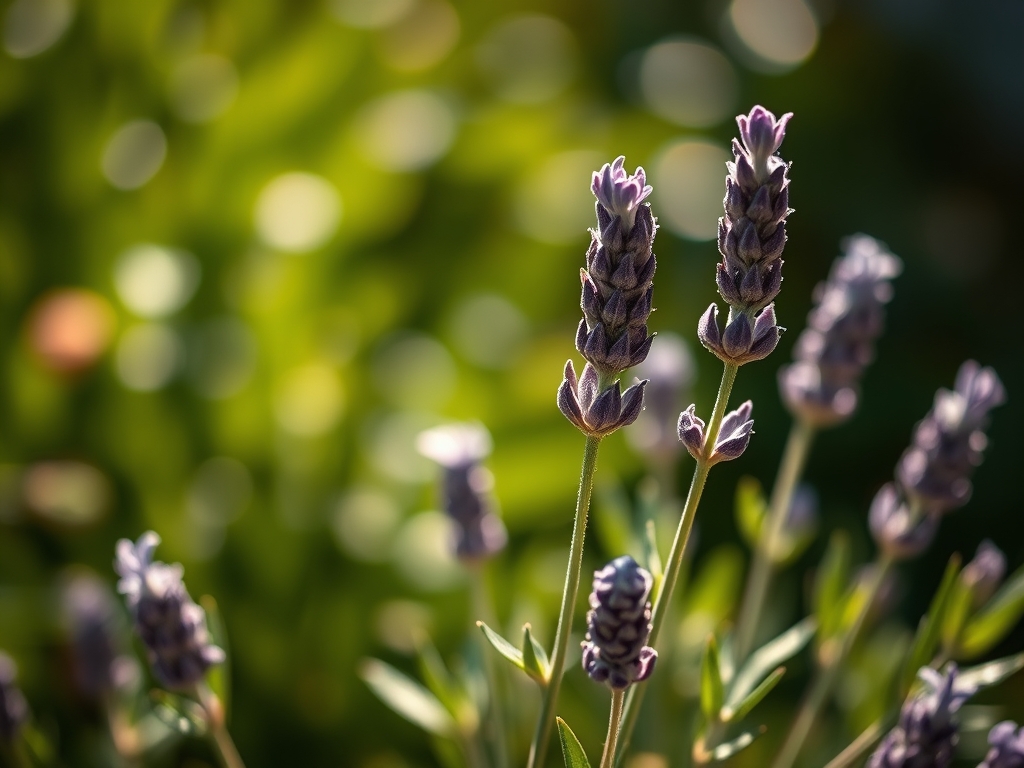
Harvesting for maximum sedative effect requires precise timing. The concentration of linalool is highest when the bottom third of the flower spike has opened, but the top buds remain closed. Harvest in the early morning, after the dew has evaporated but before the midday sun volatilizes the essential oils.
Use sharp bypass pruners to cut the stems just above the first set of leaves. To maintain "day-one" freshness and potency, bundle the stems with twine and hang them upside down in a dark, well-ventilated room with a temperature between 65 and 75 degrees Fahrenheit. Avoid direct sunlight during the drying process, as UV rays degrade the chemical precursors responsible for the plant's calming properties. Once the stems snap cleanly, the lavender is ready for use.
FAQ:
What is the best lavender variety for sleep?
Lavandula angustifolia, often called English Lavender, is the superior choice. It contains higher concentrations of linalool and lower camphor levels compared to French or Spanish varieties, making it more effective for relaxation and sleep support.
How much sun does lavender need daily?
Lavender requires a minimum of 8 to 10 hours of direct sunlight. Insufficient light leads to poor oil production, weak stems, and increased susceptibility to fungal infections. Full solar exposure is non-negotiable for high-quality yields.
Can I grow lavender in pots for sleep?
Yes, provided the container has excellent drainage. Use a terracotta pot to allow for lateral evaporation and a high-grit potting mix. Ensure the pot is at least 12 inches deep to accommodate the taproot.
How often should I fertilize my lavender?
Fertilize sparingly. A single application of a low-nitrogen, high-phosphorus fertilizer (NPK 5-10-10) in early spring is sufficient. Over-fertilizing leads to excessive foliage and diminished aromatic potency, which reduces the plant's effectiveness for sleep.