10 Pro Tips How to Use Pruning Bonsai Wires
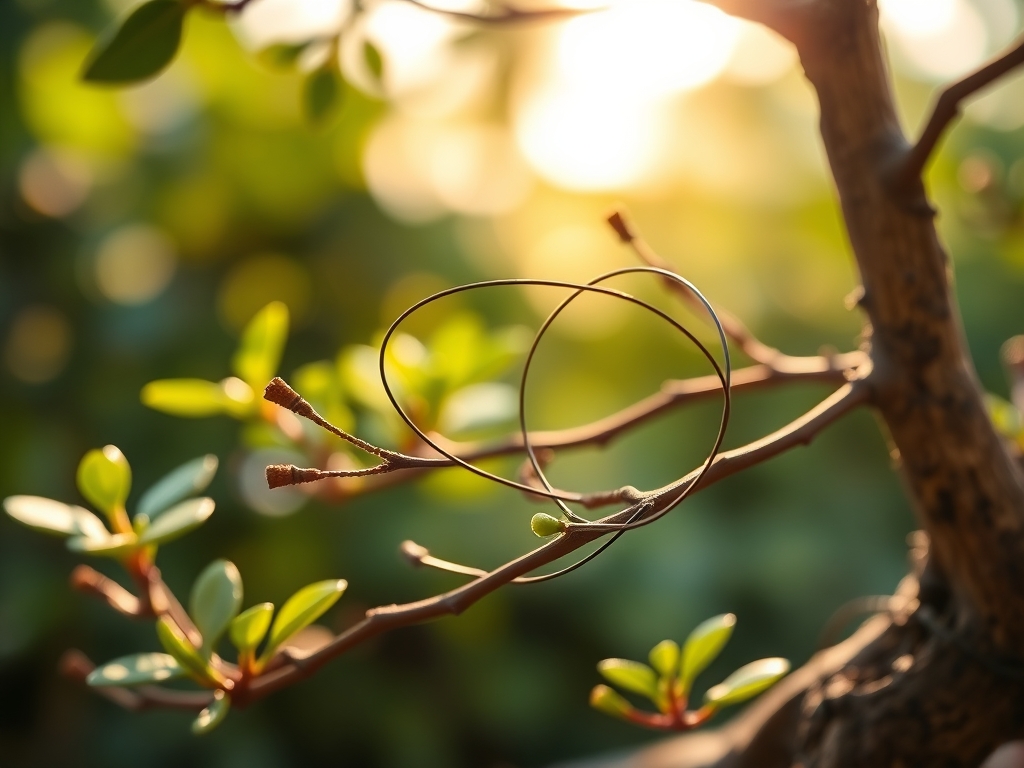
The aluminum wire bites into green bark, redirects auxin flow, and over twelve weeks transforms a vertical shoot into a horizontal branch that mimics centuries of wind exposure. Learning how to use pruning bonsai wires properly separates successful miniature landscapes from wire-scarred failures. The technique combines metallurgy, cambial biology, and precise timing to guide lignification without strangling vascular tissue.
Materials
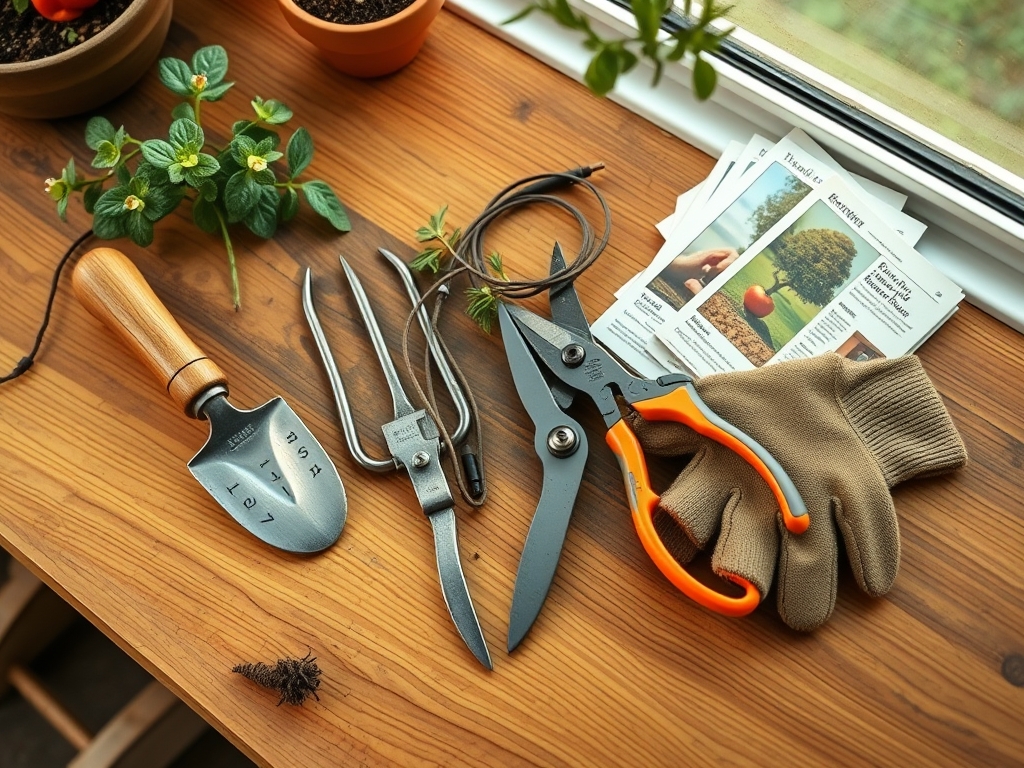
Anodized aluminum wire in gauges 1mm to 6mm forms the primary toolkit. Aluminum suits deciduous species and young conifers because it holds shape at one-third the stiffness of copper. Copper wire in matching gauges serves mature pines and junipers where greater holding power justifies the expense. Select wire diameter at one-third the branch thickness for optimal mechanical advantage.
Substrate composition affects root response to training stress. A 1:1:1 blend of akadama, pumice, and lava rock provides pH 6.5 and exceptional cation exchange capacity. Amended mixes incorporating 4-4-4 organic fertilizer or composted pine bark at 15 percent by volume buffer nutrient demands during active shaping periods. Calcined clay products maintain 40 percent air porosity even when saturated.
Pruning tools must deliver clean cuts to minimize wound surface area. Concave cutters remove branch collars flush with the trunk. Knob cutters address inverse taper. Wire cutters with flush blades prevent bark tearing during removal. Sterilize all cutting edges with 70 percent isopropyl alcohol between specimens to prevent transmission of Pseudomonas or Xanthomonas bacterial cankers.
Timing
Hardiness Zones 5 through 9 offer the longest wiring windows. Initiate wiring on deciduous species from late winter through early spring before bud break. Cambial activity remains minimal, reducing scarring risk. Conifers accept wire from late autumn through winter dormancy when resin flow decreases. Zones 10 and 11 require adjustment to brief cool periods from December through February.
Monitor last frost dates through local agricultural extension data. Wire removal must occur before spring growth accelerates. Acer palmatum and other vigorous deciduous species require wire checks every three weeks during active growth. Pinus species tolerate six-month training periods but demand biweekly inspection of wire bite. Junipers exhibit intermediate growth rates allowing four-month training cycles.
Photoperiod influences auxin distribution and gravitropic response. Wiring during lengthening spring days produces more dramatic bends as apical dominance strengthens. Autumn wiring during shortening days suits maintenance positioning rather than radical restructuring. Track local sunrise and sunset times to correlate training intensity with hormonal patterns.
Phases

Initial Wiring
Anchor wire at the trunk base or a stable primary branch. Insert the first two inches into substrate or wrap behind an immovable structural element. Maintain a 45-degree angle between wire and branch axis. This angle distributes pressure across maximum bark surface area while allowing spiral advance along the limb. Each coil should space evenly without overlap or gaps exceeding 3mm.
Pro-Tip: Apply mycorrhizal fungi inoculant (Rhizopogon or Laccaria species for conifers, Glomus for deciduous) to root zones three weeks before major wiring. Fungal colonization enhances phosphorus uptake during the metabolic stress of positional change, reducing dieback from compromised nutrient transport.
Branch Positioning
Bend branches in incremental stages rather than single dramatic movements. Initial positioning should reach 60 percent of target angle. Allow two weeks for lignin realignment and vessel adaptation. Complete the remaining 40 percent in a second session. Rapid bending crushes xylem elements and creates traumatic resin ducts in conifers or tyloses in hardwoods.
Work from primary branches toward tertiary growth. Wire secondary branches before their subordinate shoots. This sequence prevents wire crossings that create pressure points and bark damage. Use multiple wire strands on thick branches rather than oversized single wires. Two 3mm wires provide superior holding power and distribute stress better than one 5mm wire.
Pro-Tip: Position cuts at 2mm above outward-facing buds when combining pruning with wiring. This distance prevents desiccation while directing auxin into the remaining bud, promoting new growth in the desired plane.
Wire Removal
Cut wire into 2-inch segments using flush cutters. Never uncoil wire from branches. Reverse spiraling damages bark and tears cambium even when wire appears loose. Inspect the bark surface immediately after removal for embedded wire tracks. Shallow indentations resolve within one growing season through radial growth.
Pro-Tip: Apply cut paste containing chitosan to any wounds exposing cambium. Chitosan triggers defense gene expression and accelerates callus tissue formation by 35 percent compared to untreated wounds.
Troubleshooting
Symptom: Wire bite creating raised bark ridges and cambial swelling.
Solution: Remove wire immediately. Apply lanolin-based wound sealant. Reposition branch with larger gauge wire after four weeks of recovery growth.
Symptom: Branch dieback distal to wire application within ten days.
Solution: Examine for crushed vascular bundles. Prune dead tissue to green wood. Increase substrate moisture by 15 percent to support remaining vascular capacity.
Symptom: Reverse bending or spring-back within one week of wire removal.
Solution: Insufficient lignification period. Rewire for additional eight weeks minimum. Verify adequate silicon availability (20-40 ppm in substrate solution) to strengthen cell walls.
Symptom: Spider mites (Tetranychus urticae) colonizing stressed foliage post-wiring.
Solution: Apply horticultural oil at 2 percent dilution. Increase ambient humidity above 60 percent. Mites thrive below 50 percent relative humidity on compromised plants.
Symptom: Bacterial ooze at wire contact points indicating Pseudomonas infection.
Solution: Remove infected tissue 5mm below visible symptoms. Sterilize tools between cuts. Apply copper hydroxide at labeled rates. Reduce foliar moisture and improve air circulation.
Maintenance
Water to substrate saturation when the top 0.5 inches feels dry to touch. This typically requires daily irrigation during summer months and every three days during dormancy. Apply 1 inch of water measured via rain gauge or equivalent volume. Excess drainage should occur within five minutes, confirming adequate porosity.
Feed with balanced liquid fertilizer at half-strength weekly during active growth. A 10-10-10 NPK formulation provides baseline nutrition. Switch to 0-10-10 formulation six weeks before first frost to harden growth and reduce winter damage. Cease fertilization entirely during dormancy except for tropical species maintaining active growth.
Monitor wire tension every two weeks during the growing season. Growth rates vary with temperature: expect 2mm of radial expansion per month at 70°F in deciduous species. Conifers grow slower at 1mm monthly under identical conditions. Adjust inspection frequency based on species-specific growth data.
Rotate containers 90 degrees monthly to ensure even light distribution. Uneven photosynthetic activity creates asymmetric auxin gradients that work against training. Position wired branches toward dominant light sources to leverage phototropic responses that reinforce rather than oppose wire direction.
FAQ
How long does wire stay on bonsai?
Deciduous species require two to four months. Conifers need four to eight months. Tropical species in active growth tolerate three to six months. Remove wire before it embeds 1mm into bark.
Can you reuse bonsai wire?
Aluminum wire loses temper after one use and will not hold position effectively. Copper wire tolerates annealing and reshaping up to three times before crystalline structure fails. Cost efficiency favors single-use aluminum for most applications.
What happens if wire embeds?
Embedded wire creates permanent scars as radial growth encapsulates metal. Remove embedded sections with flush cutters. Bark will eventually cover wounds through callus tissue over two to five years depending on species vigor.
Should you wire newly repotted trees?
Wait four to six weeks after repotting before wiring. Root disturbance depletes carbohydrate reserves. Combined stress from root pruning and branch positioning increases mortality risk by 40 percent.
Do you wire both directions?
Wire spirals in the direction of intended bend. Clockwise wire for right-hand bends, counterclockwise for left-hand bends. This orientation prevents wire loosening during positioning. Counter-spiral wiring when managing paired branches from single nodes.