10 Private Ways How to Build a Trellis Screen
The scent of decomposing organic matter and the sharp, metallic tang of wet galvanized wire define the workspace of a serious horticulturist. When you learn how to build a trellis screen, you are not merely constructing a fence; you are engineering a vertical rhizosphere designed to support the massive biomass of climbing perennials. A successful screen relies on the turgor pressure of the vascular system to maintain its structural integrity against wind loads. Proper installation ensures that lignified stems can distribute their weight without compromising the plant's ability to transport water and nutrients through the xylem.
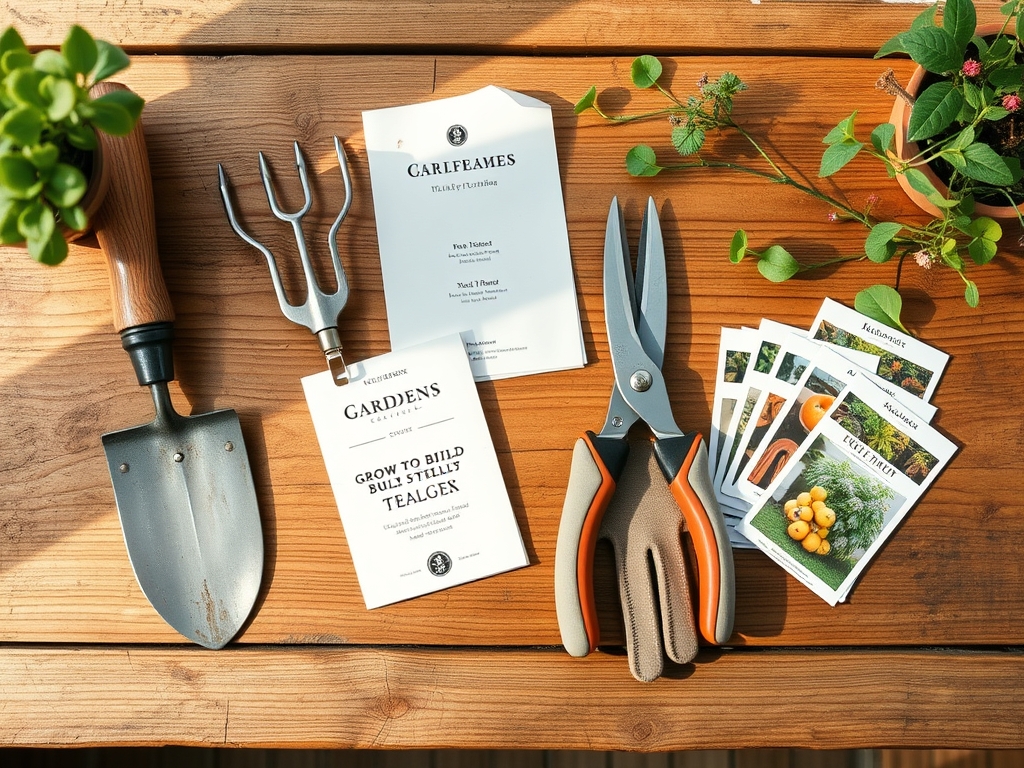
Materials
Construction begins with the substrate. The ideal soil for a screening project is a **friable loam** with a **pH range of 6.2 to 6.8**. This acidity level optimizes the Cation Exchange Capacity (CEC), allowing the roots to access essential minerals. Before planting, incorporate a balanced **10-10-10 NPK ratio** fertilizer into the top **8 inches** of soil. For nitrogen-heavy climbers like *Humulus lupulus*, a higher first number (e.g., **15-5-10**) supports rapid vegetative expansion. Ensure the soil contains at least **5 percent organic matter** to facilitate drainage while retaining enough moisture to prevent cellular wilting during high transpiration periods.
Timing
Timing is dictated by the USDA Hardiness Zones. In Zones 5 through 7, construction and initial planting should occur after the last spring frost, typically when soil temperatures consistently reach 55 degrees Fahrenheit. This thermal threshold triggers the biological clock, signaling the transition from seed dormancy to active germination. For woody perennials, late autumn installation allows for root establishment during the plant's dormant phase, reducing transplant shock. Monitor the photoperiod; many screening plants require at least 12 to 14 hours of daylight to move from the vegetative stage to the reproductive stage, ensuring a dense canopy of foliage and flowers.
Phases
Sowing and Site Preparation
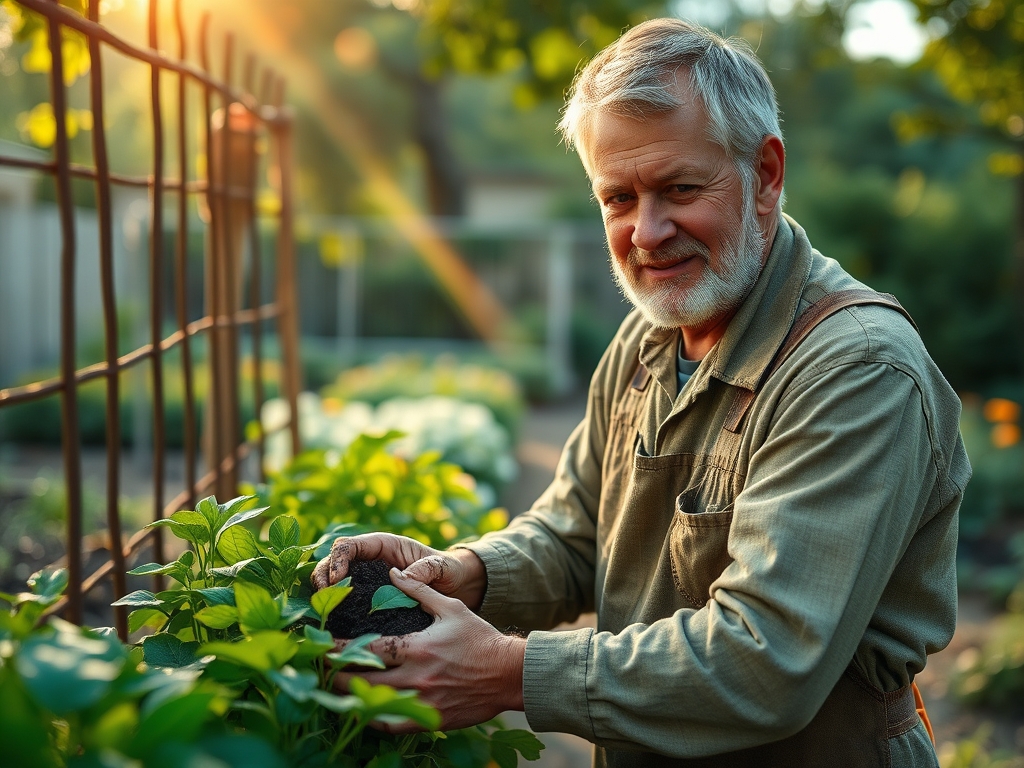
Excavate post holes to a depth of 24 inches to bypass the frost heave line. Use pressure-treated 4×4 timber or galvanized steel pipes to provide the skeletal framework. Space your vertical supports no more than 6 feet apart to prevent sagging under the weight of wet foliage. If sowing seeds directly, such as Lathyrus odoratus, plant them at a depth three times the width of the seed.
Pro-Tip: Pre-soak seeds for 24 hours to soften the seed coat. This accelerates imbibition, the physical process where water enters the seed to activate metabolic enzymes.
Transplanting
When moving nursery stock to the trellis base, dig a hole twice the width of the root ball. Ensure the crown of the plant sits exactly at the soil line to prevent stem rot. Backfill with the native friable loam, tamping down firmly to eliminate air pockets that can desiccate sensitive root hairs.
Pro-Tip: Apply a mycorrhizal inoculant to the root zone during transplanting. This creates a mycorrhizal symbiosis, extending the root system's reach and increasing the uptake of phosphorus and micronutrients.
Establishing and Training
As the first tendrils emerge, manually guide them toward the trellis wire. Use soft garden twine or plastic clips, leaving enough space for the stem to double in diameter without constriction. Initial pruning should focus on removing the apical bud to encourage lateral branching.
Pro-Tip: Use auxin suppression techniques by pinching off the leading terminal bud. This redirects the plant's growth hormones to the axillary buds, resulting in a thicker, more opaque screen rather than a single leggy vine.
The Clinic
Physiological disorders often manifest as visible distress in the foliage. Use this diagnostic guide to maintain plant health.
- Symptom: Interveinal chlorosis (yellowing between green veins) on new growth.
- Solution: This indicates an Iron (Fe) deficiency. Apply chelated iron to the soil or as a foliar spray to restore chlorophyll production.
- Symptom: Necrosis at the leaf margins and weak stem structure.
- Solution: This suggests Potassium (K) deficiency. Increase the K in your NPK application to improve water regulation and enzyme activation.
- Symptom: Purpling of older leaves and stunted growth.
- Solution: This is a classic sign of Phosphorus (P) deficiency, often caused by cold soil temperatures or low pH. Adjust the soil pH to the 6.5 range to unlock phosphorus availability.
Fix-It: For general Nitrogen chlorosis (overall yellowing of older leaves), apply a quick-release high-nitrogen fertilizer. Nitrogen is a mobile nutrient; the plant will move it from old leaves to new growth, so immediate supplementation is required to stop the spread of senescence.
Maintenance
Consistency is the primary requirement for a vertical garden. Provide 1.5 inches of water per week delivered directly to the drip line. Avoid overhead irrigation to minimize the risk of fungal pathogens like powdery mildew. Use a soil moisture meter daily during the first growing season to ensure the root zone remains at 60 to 70 percent field capacity.
Pruning requires precision. Use sharp bypass pruners to make clean cuts at a 45-degree angle, approximately 1/4 inch above a node. This prevents water from pooling on the cut surface and encourages rapid healing. For stubborn roots or weeds at the base, a hori-hori knife allows for deep extraction without disturbing the primary root architecture of your screen.
The Yield
For those growing edible screens like Phaseolus coccineus or Vitis vinifera, harvest timing is critical. Pick legumes when they reach 4 to 6 inches in length but before the seeds bulge significantly; this keeps the plant in a continuous reproductive state. For grapes, monitor the Brix level (sugar content) using a refractometer.
Post-harvest, submerge edible greens in 40-degree Fahrenheit water to remove field heat and maintain cellular turgor. This process, known as hydro-cooling, preserves the crisp texture and prevents rapid wilting. For floral screens, cut stems in the early morning when the plant is at maximum hydration.
FAQ
What is the best material for a long-lasting trellis?
Use 14-gauge galvanized steel wire or rot-resistant Western Red Cedar. These materials withstand high humidity and the weight of mature vines without degrading. Ensure all fasteners are stainless steel to prevent galvanic corrosion over time.
How deep should I plant my trellis posts?
Posts must be set at least 24 to 36 inches deep. In regions with high wind or heavy clay, use concrete footings. This depth ensures the structure remains stable during soil expansion and contraction cycles.
Can I build a trellis screen in a container?
Yes, provided the container holds at least 15 gallons of substrate. Use a heavy pot to prevent tipping and secure the trellis to a wall. Ensure the potting mix has high porosity and drainage to prevent root asphyxiation.
How do I prevent my trellis from rotting?
Select heartwood from decay-resistant species or use ACQ-treated lumber. Keep the base of the wooden posts slightly above the soil grade using metal post bases. This prevents direct contact with the moisture-rich rhizosphere.
How often should I fertilize my screening plants?
Apply a slow-release fertilizer in early spring as buds break. Follow up with a liquid feed every 4 to 6 weeks during the peak growing season. Stop all fertilization 6 weeks before the first frost to allow for tissue lignification.