10 Expert Ways How to Grow Yellow Watermelons
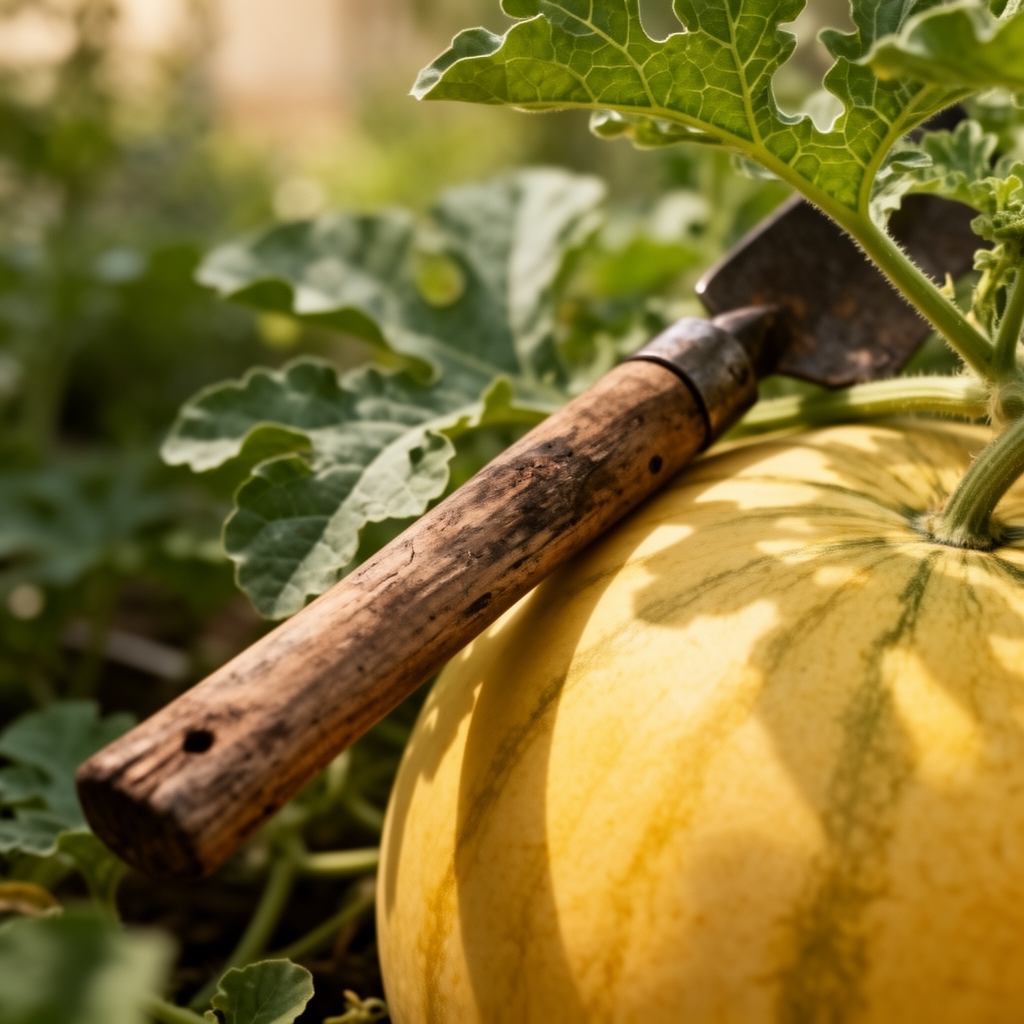
The first slice through a ripe yellow watermelon reveals flesh the color of late-summer butter, crisp and often sweeter than its red cousins. Learning how to grow yellow watermelons unlocks access to heirloom genetics like 'Yellow Doll' and 'Desert King,' varieties that concentrate fructose and trace minerals when cultivated under precise soil and temperature regimes. The yellow pigmentation comes from a recessive gene that prevents lycopene synthesis while amplifying beta-carotene and xanthophyll production.
Materials
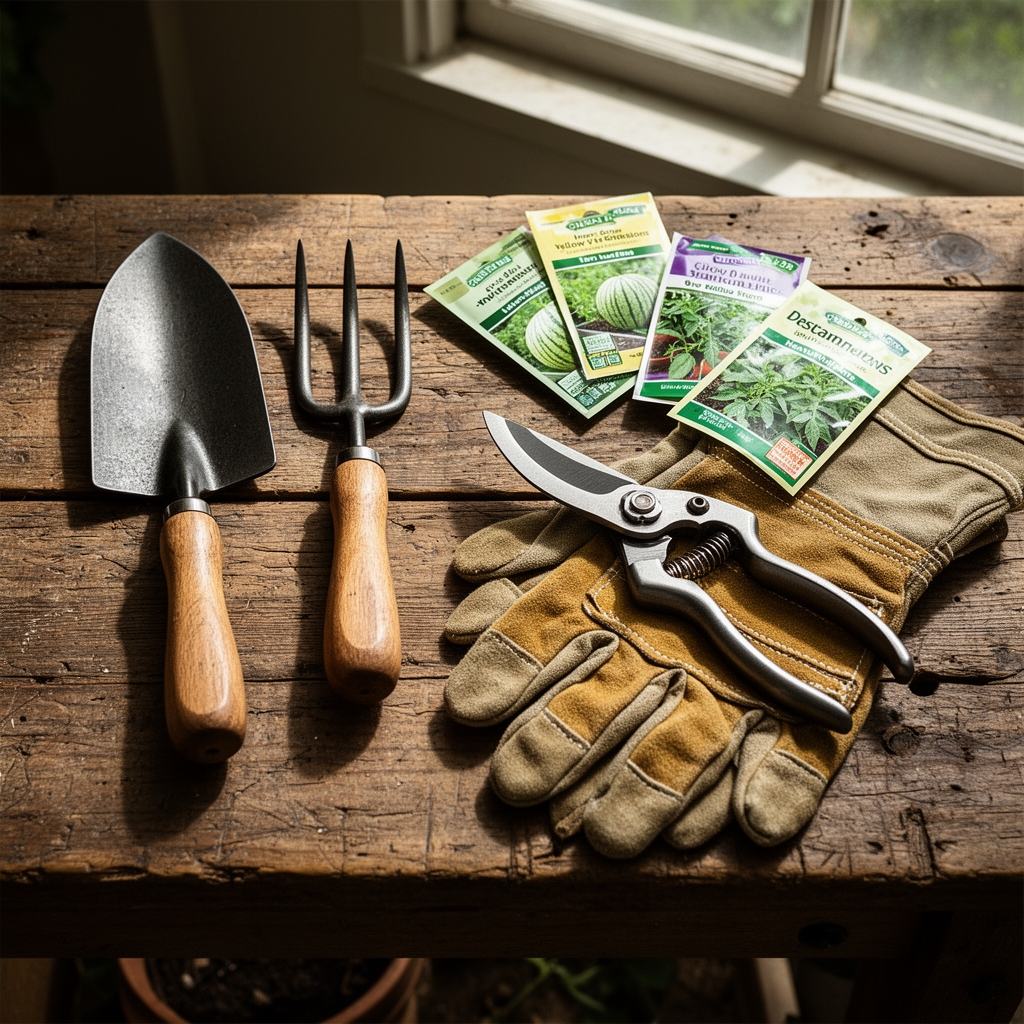
Successful cultivation of yellow watermelons begins with substrate analysis. Target a soil pH between 6.0 and 6.8 to maximize phosphorus availability during flowering. Amend beds four weeks before planting with a balanced organic fertilizer rated 4-4-4 or 5-5-5, applying at 2 pounds per 100 square feet. Incorporate aged compost at 3 cubic feet per 10-foot row to raise cation exchange capacity above 12 meq/100g.
Add mycorrhizal fungi inoculant (Glomus intraradices or Rhizophagus irregularis) at transplant time. These arbuscular species colonize melon roots within 14 days and extend phosphorus uptake radius by 400 percent. Kelp meal supplies auxin precursors and chelated micronutrients; broadcast 1 pound per 50 square feet during soil prep.
Mulch material matters. Use black plastic to raise soil temperature 8 degrees Fahrenheit in zones 5-7, or apply 3 inches of straw mulch in zones 8-10 to moderate surface heat above 95 degrees Fahrenheit. Install drip tape beneath mulch, positioning emitters 6 inches from the plant crown.
Timing
Yellow watermelon cultivars require 80 to 95 frost-free days from transplant to harvest. In Hardiness Zones 5 and 6, sow seeds indoors 3 to 4 weeks before the last expected spring frost. Transplant seedlings outdoors only after soil temperature at 4-inch depth reaches 70 degrees Fahrenheit, typically 7 to 10 days past the frost-free date.
Zones 7 and 8 permit direct seeding once daytime air temperatures stabilize above 75 degrees Fahrenheit. Plant succession crops every 21 days through mid-June to extend harvest into October. Zones 9 and 10 accommodate both spring and fall plantings; sow fall crops 100 days before the first expected frost to avoid fruit set during peak summer heat above 100 degrees Fahrenheit.
Phases
Sowing: Plant seeds 1 inch deep in 4-inch pots filled with sterile seed-starting mix. Maintain medium temperature at 80 to 85 degrees Fahrenheit using bottom heat mats. Germination occurs within 3 to 5 days. Once cotyledons expand fully, reduce temperature to 72 degrees Fahrenheit and provide 14 hours of light at 3000 lumens per square foot.
Pro-Tip: Prune the seedling to a single stem when the first true leaf reaches 2 inches diameter. This concentrates auxin distribution into one meristem and produces a stronger vascular system.
Transplanting: Harden seedlings over 5 days by reducing water frequency and exposing plants to outdoor conditions for progressively longer intervals. Space final transplants 36 to 48 inches apart in rows separated by 6 feet. Dig planting holes 8 inches deep and amend each with 1 tablespoon of bone meal (0-10-0) to stimulate root branching.
Pro-Tip: Orient transplants so the first true leaf faces south. This positioning allows maximum photosynthetic surface area during morning hours when stomatal conductance peaks.
Establishing: Lateral runners emerge 10 to 14 days post-transplant. Allow 3 to 4 primary vines per plant, removing additional shoots at the base. Female flowers appear at nodes 8 through 12 on each vine. Hand-pollinate during morning hours by transferring pollen from male flowers using a soft brush; this increases fruit set reliability by 60 percent compared to insect pollination alone.
Pro-Tip: When fruits reach softball size, prune each vine to 2 leaves beyond the last melon. This redirects carbohydrate allocation from vegetative growth into fruit sugar accumulation.
Troubleshooting
Symptom: Blossom-end rot presents as sunken, leathery brown patches on the fruit's distal end.
Solution: Apply calcium chloride foliar spray at 0.5 percent concentration weekly during fruit expansion. Maintain consistent soil moisture at 65 to 75 percent field capacity.
Symptom: Powdery mildew appears as white fungal growth on older leaves, reducing photosynthetic area by 40 percent.
Solution: Spray with potassium bicarbonate solution (1 tablespoon per gallon) at 7-day intervals. Remove infected leaves below the fruiting zone.
Symptom: Cucumber beetles vector bacterial wilt, causing sudden vine collapse.
Solution: Install row covers until flowering begins. Apply kaolin clay at 2 percent concentration to foliage every 10 days; the particle film deters feeding.
Symptom: Hollow heart creates internal voids in mature fruit.
Solution: Reduce boron deficiency by applying 1 teaspoon of borax dissolved in 1 gallon of water per 100 square feet two weeks before flowering.
Maintenance
Provide 1 to 1.5 inches of water per week through drip irrigation. Increase to 2 inches during fruit sizing (days 45 through 65 post-transplant). Cease irrigation 5 days before anticipated harvest to concentrate sugars; Brix levels rise 2 to 3 degrees during this dry-down period.
Side-dress with additional nitrogen at 0.5 pounds actual N per 100 feet when vines reach 3 feet length. Use calcium nitrate (15.5-0-0) to supply nitrogen without promoting excess vegetative growth.
Monitor tendrils nearest each fruit. Harvest when the tendril browns completely and the ground spot shifts from white to cream-yellow. Thump the fruit; a deep, hollow sound indicates full maturity.
FAQ
How long does it take to grow yellow watermelons?
Most varieties mature in 80 to 95 days from transplant, depending on cultivar and accumulated heat units above 50 degrees Fahrenheit.
Do yellow watermelons need full sun?
Yes. Provide 8 to 10 hours of direct sunlight daily to achieve Brix readings above 11 percent.
Can I grow yellow watermelons in containers?
Compact varieties like 'Yellow Doll' succeed in 20-gallon fabric pots. Use soilless mix amended with compost at a 3:1 ratio.
Why are my yellow watermelons not sweet?
Insufficient sunlight, excessive nitrogen, or harvest before full maturity all reduce sugar content. Verify tendril color and ground spot before picking.
What spacing do yellow watermelons require?
Space plants 36 to 48 inches apart with 6 feet between rows to accommodate 12 to 15-foot vine spread.