10 Basic Steps to Urban Garden Ideas
The scent of bruised basil and damp potting mix signals the start of something essential. City dwellers now convert fire escapes, rooftops, and balconies into productive green spaces using practical steps to urban garden ideas. These methods transform concrete surroundings into ecosystems that produce food, filter air, and regulate ambient temperature. Urban gardens require different strategies than rural plots because of container constraints, limited soil volume, and microclimates created by buildings.
Materials
Successful urban gardens begin with precise substrate selection. Container media should maintain pH between 6.0 and 7.0 for most edibles. A base mix of 40% peat moss or coir, 40% compost, and 20% perlite provides adequate cation exchange capacity while preventing compaction.
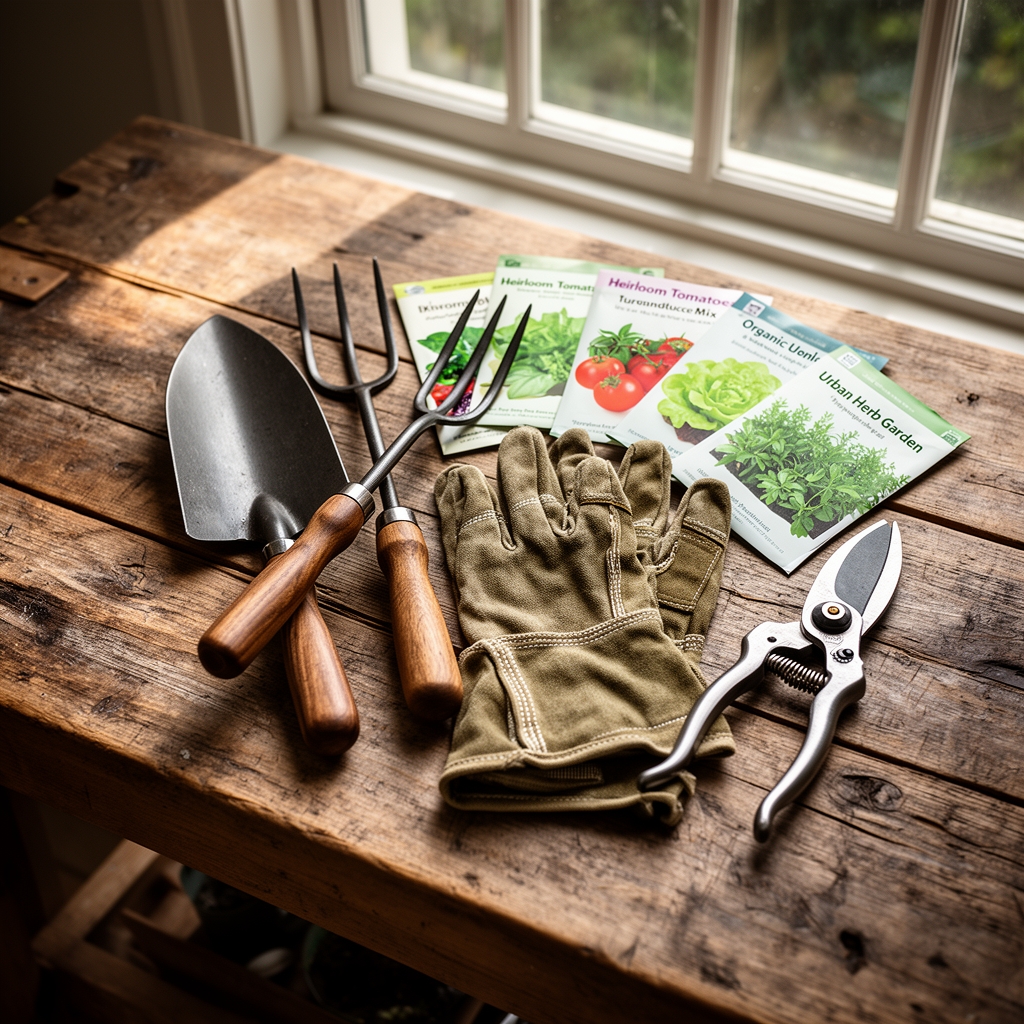
Fertilizer selection depends on crop type. Leafy greens thrive with balanced organic amendments at 4-4-4 NPK ratios. Fruiting plants like tomatoes and peppers require higher phosphorus during flowering, shifting to 5-10-5 formulations. Fish emulsion at 5-1-1 provides quick nitrogen uptake for container crops showing chlorosis. Kelp meal adds trace minerals and natural auxins that improve stress tolerance in confined root systems.
Containers must provide one gallon of soil per mature plant foot. Fabric pots improve oxygen exchange at root zones compared to plastic. Terracotta allows evaporative cooling but requires more frequent irrigation. Self-watering containers with reservoir systems reduce maintenance in hot microclimates.
Structural elements include trellises rated for 20 pounds per square foot for vining crops. Galvanized wire mesh at 4-inch spacing supports indeterminate tomatoes without sagging. Bamboo stakes of 6-foot length accommodate pole beans and cucumbers.
Timing
Urban gardens operate within compressed growing seasons determined by Hardiness Zones and building thermal mass. Structures create heat islands that effectively shift zones one level warmer. A Zone 6 rooftop may function as Zone 7 for spring planting dates.
Cool-season crops like lettuce, spinach, and peas germinate when soil reaches 40°F. Plant these 4 to 6 weeks before the last expected frost. In Zone 7, this window opens mid-March. Zone 5 gardeners should wait until mid-April.
Warm-season transplants require soil temperatures above 60°F. Tomatoes, peppers, and eggplants go out 1 to 2 weeks after the final frost when nighttime air stays above 50°F consistently. Direct-sown beans and cucumbers follow 2 weeks later when soil hits 70°F for reliable germination.
Fall gardens extend production when started 10 to 12 weeks before first frost. Brassicas planted in late summer mature during cool autumn weather with improved flavor from light frost exposure.
Phases
Sowing Phase
Seeds require moisture, oxygen, and appropriate temperature for germination. Plant at depths equal to twice the seed diameter. Large seeds like beans need 1-inch depth. Lettuce requires surface sowing with light pressure. Cover containers with humidity domes until emergence.
Pro-Tip: Inoculate legume seeds with Rhizobium bacteria before planting to establish nitrogen-fixing nodules. This reduces fertilizer needs by 30% during the growing season.
Transplanting Phase
Seedlings move to final containers when true leaves appear. Handle only by cotyledons or leaf margins to avoid stem damage. Bury tomato stems horizontally up to lowest leaves to generate adventitious roots along buried portions. This creates more robust root systems in shallow containers.
Water transplants with dilute fish emulsion at half-strength to reduce transplant shock. Maintain consistent soil moisture for 7 days while roots establish contact with new substrate.
Pro-Tip: Prune tomato suckers at 45-degree angles when they reach 2 inches. This angle prevents water collection in wounds and reduces bacterial infection rates.
Establishing Phase
Plants develop mature root systems and vegetative growth over 3 to 6 weeks. Top-dress containers with compost at 1-inch depth monthly to maintain nutrient availability. Train vining crops to vertical supports using figure-eight ties that allow stem expansion.
Pinch growing tips on basil and other herbs when plants reach 6 inches to encourage lateral branching. Remove lower leaves on tomatoes up to the first fruit cluster to improve air circulation.
Pro-Tip: Apply mycorrhizal fungi inoculant at root zones during establishment. These symbiotic relationships increase phosphorus uptake by 60% in container environments.
Troubleshooting
Symptom: Interveinal chlorosis on new growth. Solution: Iron deficiency from high pH. Apply chelated iron at labeled rates. Reduce pH by incorporating sulfur at 1 tablespoon per gallon of soil.
Symptom: Blossom end rot on tomatoes and peppers. Solution: Calcium deficiency from inconsistent watering. Maintain even moisture. Apply calcium chloride foliar spray at 1 tablespoon per gallon weekly during fruiting.
Symptom: Aphid colonies on growing tips. Solution: Spray insecticidal soap at 2% concentration on leaf undersides. Release ladybird beetles at 1,500 per 500 square feet for biological control.
Symptom: Powdery white coating on leaves. Solution: Powdery mildew from poor air circulation. Improve spacing. Apply potassium bicarbonate at 1 tablespoon per gallon as preventive.
Symptom: Wilting despite moist soil. Solution: Root rot from overwatering. Allow top 2 inches to dry between irrigation. Improve drainage with added perlite.
Maintenance
Water containers when the top 1 inch of soil feels dry to touch. Most vegetables require 1 to 1.5 inches of water weekly. Container gardens may need daily watering during temperatures above 85°F. Water at soil level early morning to reduce foliar disease.
Feed every 14 days with liquid fertilizer at half the package concentration. Container substrates leach nutrients faster than ground soil. Alternate between nitrogen-rich and balanced formulas based on plant growth stage.
Prune diseased or damaged foliage immediately. Sterilize cutting tools with 10% bleach solution between plants. Harvest regularly to encourage continued production. Pick tomatoes when color develops fully but fruit remains firm.
FAQ
How much sun do urban vegetables need?
Most fruiting crops require 6 to 8 hours of direct sunlight daily. Leafy greens tolerate 4 hours. Monitor light patterns monthly as building shadows shift seasonally.
What containers work best for limited space?
Vertical tower systems maximize production in 4 square feet. Hanging baskets work for strawberries and herbs. Window boxes suit shallow-rooted crops like lettuce.
Can I reuse potting soil between seasons?
Yes, after removing plant debris and roots. Refresh with 25% new compost. Add organic fertilizer at 2 tablespoons per gallon. Sterilize if disease occurred by solarizing for 6 weeks under plastic.
How do I protect plants from wind on rooftops?
Install windbreaks using 50% shade cloth on frames. Position taller plants as buffers. Select compact cultivars bred for container production. Stake all plants individually.
When should I start seeds indoors?
Begin 6 to 8 weeks before transplant dates for tomatoes and peppers. Start lettuce 4 weeks early. Use grow lights at 14 hours daily positioned 2 inches above seedlings.