10 Basic Steps to Hummingbird Flower Garden
The iridescent throat of a ruby-throated hummingbird catches morning light as it hovers over trumpet-shaped blooms, its wings beating 53 times per second. Creating this scene in your garden requires more than scattering seeds. These steps to hummingbird flower garden design combine nectar-rich plant selection with soil chemistry that sustains bloom cycles from April through October, ensuring migrating and resident hummingbirds find reliable fuel sources in your landscape.
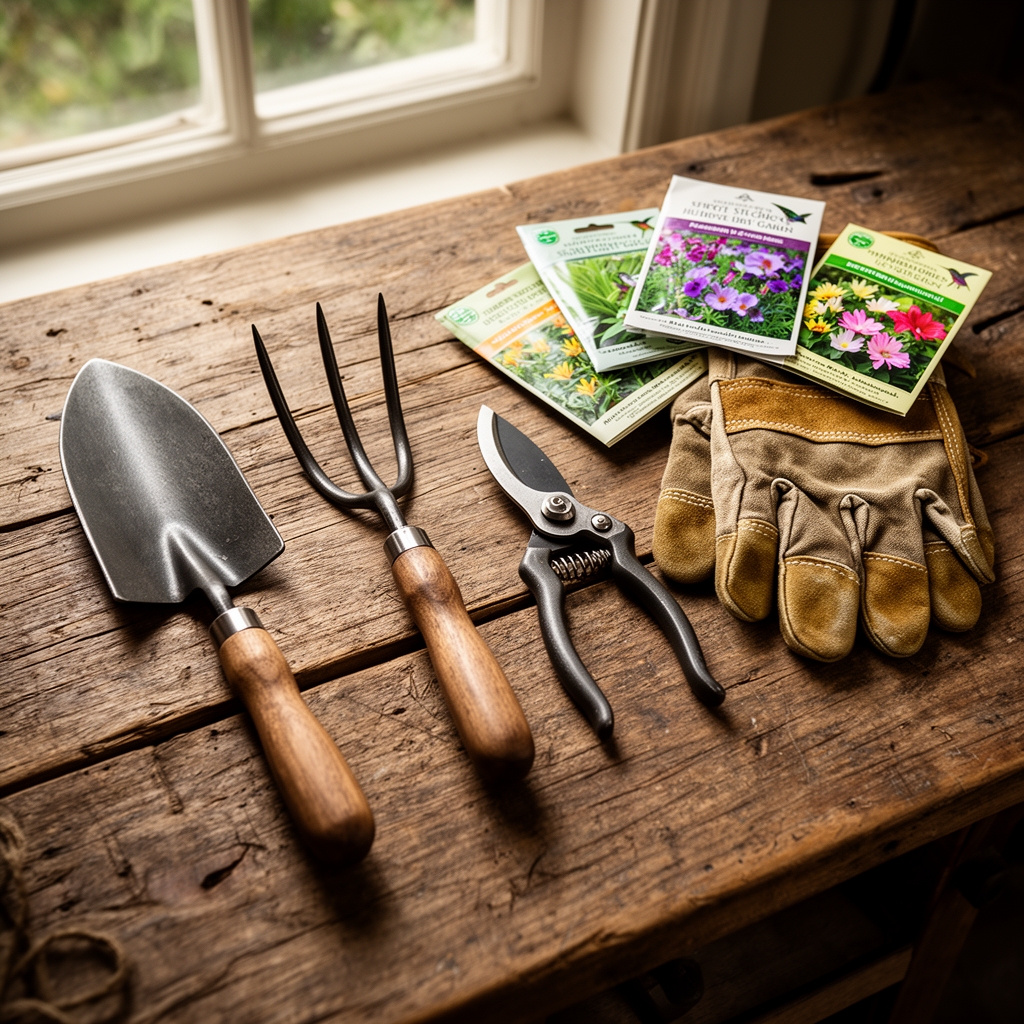
Materials
Soil pH between 6.0 and 7.0 supports the widest range of hummingbird-attracting perennials. Test your soil with a digital meter or send samples to your county extension office. Amendments should include sulfur to lower pH or dolomitic lime to raise it, applied three months before planting to allow microbial processing.
Fertilizer ratios matter. Use 4-4-4 organic meal at soil preparation, which releases nitrogen slowly and supports mycorrhizal fungi colonization. Avoid high-nitrogen formulas above 10-5-5, as these push foliar growth at the expense of flower production. Hummingbirds navigate by color and need abundant blooms, not lush leaves.
Compost aged for six months increases cation exchange capacity, allowing soil to hold calcium and magnesium that strengthen cell walls in tubular flowers. Mix two cubic feet of compost per 100 square feet of bed space.
Select plants with staggered bloom windows. Early spring requires coral honeysuckle (Lonicera sempervirens). Mid-summer needs bee balm (Monarda didyma) and salvia varieties. Fall demands cardinal flower (Lobelia cardinalis). Purchase bare-root perennials or 4-inch containers to reduce transplant shock.
Timing
Hardiness zones dictate planting windows. Zones 5-6 should transplant after the last frost date, typically May 1-15. Zones 7-8 can begin in mid-March. Zone 9 gardeners can establish beds in February, taking advantage of mild winters.
Ruby-throated hummingbirds return to the eastern United States between March 15 and April 10. Your garden should have at least three species in bloom by their arrival. Rufous hummingbirds reach the Pacific Northwest by mid-March, requiring earlier preparation in zones 8-9.
Fall planting works for bare-root perennials in zones 7 and warmer. Install plants six weeks before the first hard freeze. This allows root establishment without triggering active growth, which would waste plant energy before dormancy.
Phases
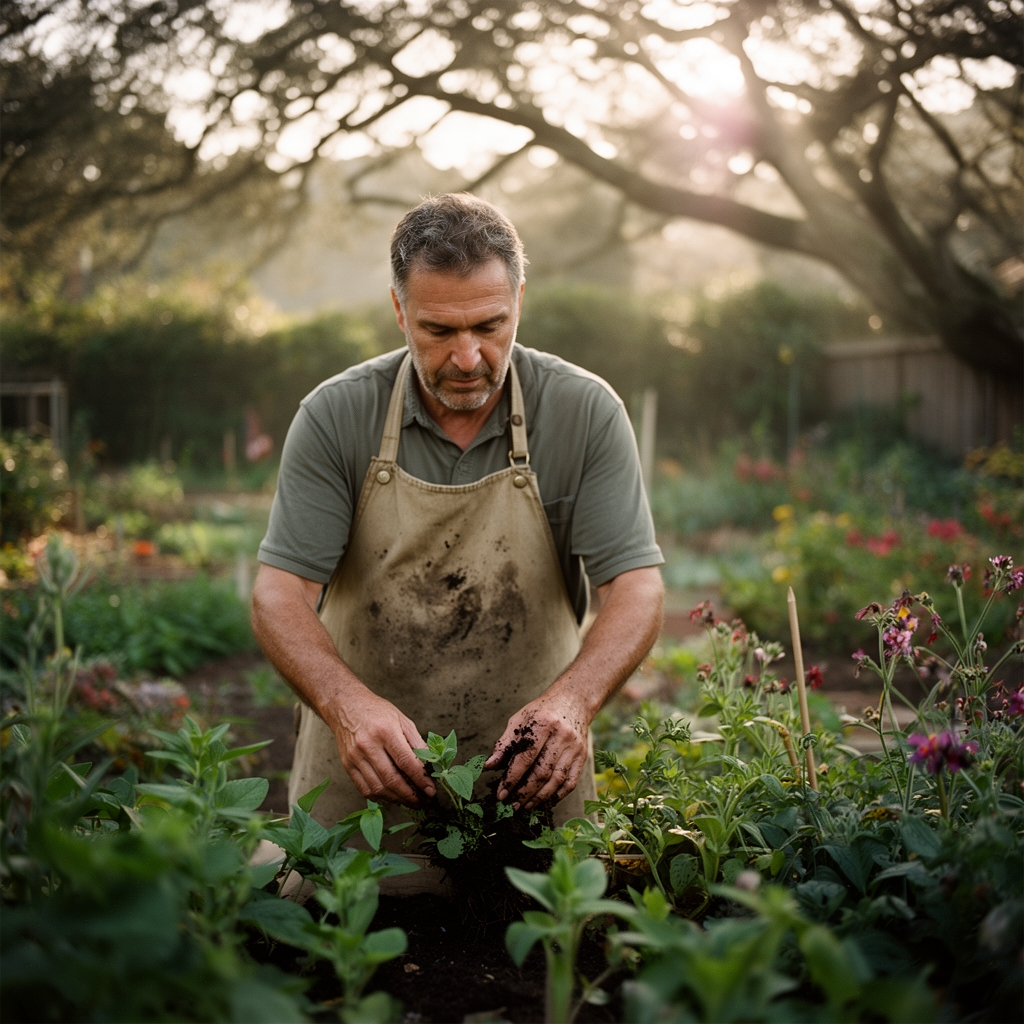
Sowing: Direct-seed annuals like scarlet sage (Salvia coccinea) after soil reaches 60°F. Scatter seeds at a density of 10 per square foot. Press seeds into soil with a board but do not bury them. Salvia requires light for germination. Water with a mist setting to avoid displacement.
Pro-Tip: Inoculate seed holes with endomycorrhizal fungi granules. These species colonize 80% of flowering plant roots and increase phosphorus uptake by 300%, directly enhancing bloom density.
Transplanting: Dig holes twice the width of root balls but equal in depth. Planting too deep suffocates roots and disrupts auxin distribution, the hormone controlling upward growth. Space plants according to mature width, usually 18-24 inches for perennials like penstemon.
Water transplants with a starter solution of 1-2-1 ratio liquid fertilizer diluted to half strength. This reduces transplant shock by providing immediately available nutrients while roots recover from disturbance.
Pro-Tip: Trim container-bound roots with sterile pruners at 45-degree angles. This stimulates lateral root formation and prevents circling, which eventually girdles the plant.
Establishing: Mulch beds with 2 inches of shredded hardwood bark. Keep mulch 3 inches away from stems to prevent crown rot caused by excess moisture. Mulch moderates soil temperature and reduces weed germination by blocking light.
Water new transplants daily for the first week, then transition to every three days for weeks two through four. Deep watering encourages roots to grow downward rather than laterally near the surface.
Pro-Tip: Install drip irrigation on a timer delivering 1 inch of water per week. Measure output by placing tuna cans throughout the bed and timing how long it takes to fill them to 1 inch.
Troubleshooting
Symptom: Yellow leaves with green veins on upper foliage of bee balm or salvia.
Solution: Iron chlorosis caused by high pH or poor drainage. Apply chelated iron at labeled rates and work sulfur into soil to lower pH by 0.5 units.
Symptom: Powdery white coating on monarda leaves in July and August.
Solution: Powdery mildew thrives in humid, stagnant conditions. Increase plant spacing to 24 inches. Water at soil level in early morning. Apply sulfur-based fungicide every 14 days if infection spreads beyond 10% of foliage.
Symptom: Black aphid clusters on hummingbird mint (Agastache) shoot tips.
Solution: Spray aphids off with a strong water jet. Release lacewing larvae at a rate of 10 per plant. Lacewings consume 200 aphids each during their larval stage.
Symptom: Leggy growth with few flowers despite adequate sun.
Solution: Excess nitrogen from lawn fertilizer runoff. Flush beds with 2 inches of water. Switch to 2-4-4 bloom-booster formula.
Symptom: Wilted plants despite moist soil.
Solution: Root rot from overwatering or clay soil. Excavate plants and amend soil with 50% coarse sand. Replant on a 4-inch berm to improve drainage.
Maintenance
Deadhead spent blooms every three days to redirect energy into new flower production. Pinch or cut stems just above the next leaf node. This pruning stimulates axillary bud break.
Apply 2-4-4 organic fertilizer every six weeks during active growth, from April through September. Broadcast one cup per 25 square feet of bed area.
Water established gardens with 1 inch per week, delivered in a single deep session rather than multiple shallow waterings. Deep watering builds drought tolerance by forcing roots to depth.
Divide perennials like bee balm every three years in early spring. Dig clumps when shoots reach 2 inches tall. Separate into sections with at least five shoots each and replant immediately.
Cut perennials to 4 inches in late fall after hard frost. Leave ornamental grasses standing until March for winter interest and hummingbird perch sites during migration.
FAQ
What plants bloom longest for hummingbirds?
Autumn sage (Salvia greggii) flowers from May through November in zones 7-9, providing 180 days of nectar. Pair it with cigar plant (Cuphea ignea) for continuous color.
Do hummingbird feeders compete with flowers?
No. Research shows feeders supplement natural nectar. A single hummingbird consumes half its body weight daily and visits 1,000-2,000 flowers. Feeders cannot replace this volume.
How many plants create a hummingbird garden?
Fifteen perennials of five species establish reliable territory. Hummingbirds defend nectar sources aggressively. Multiple feeding stations reduce competition.
Can containers attract hummingbirds?
Yes. Use 14-inch pots with soilless mix containing perlite for drainage. Plant fuchsia or penstemon and water daily. Container blooms often appear earlier than in-ground plants.
Why do hummingbirds ignore my red flowers?
Scent matters more than assumed. Hummingbirds prefer nectar concentration above 20% sucrose. Some red flowers bred for appearance produce diluted nectar below 15%, making them unappealing despite color.